Ideas
The Second Look: A Different Way to Travel in Türkiye
The familiar image brings you to a place. The questions it raises can shape the rest of the journey—and the kind of publication you want beside you.
You can recognise a place long before arriving. Cappadocia’s balloons, the Library of Celsus and Istanbul’s domes have travelled widely as images. Meeting the familiar view in person can be a pleasure in itself.
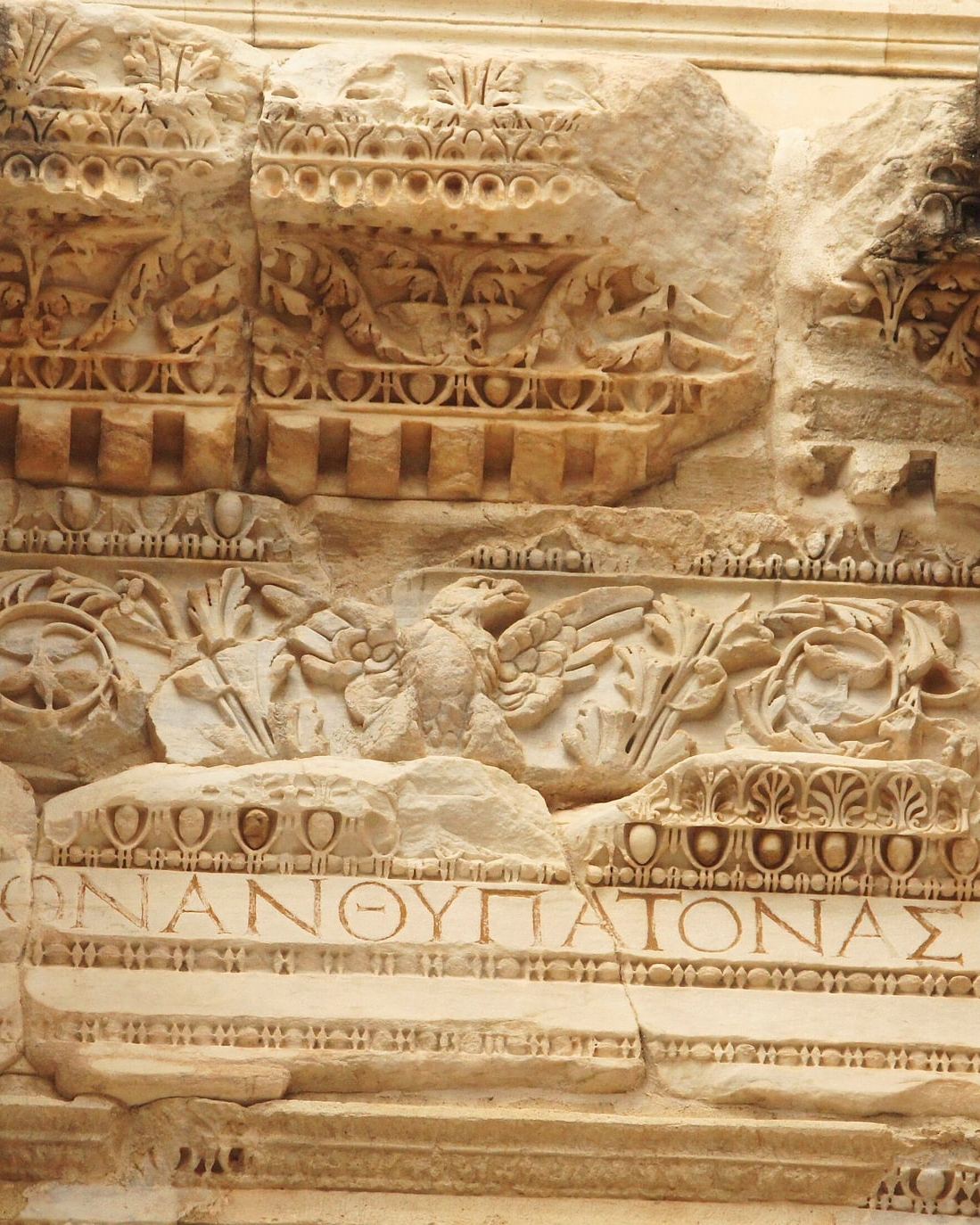
Curiosity begins to change the encounter when the image raises a question. A doorway in the rock, an empty harbour plain or a patterned wall can lead towards a different understanding of what first caught the eye.
The Second Look is TürkiyeTour’s approach to cultural travel: connect the appeal of a place with its history, everyday setting and the decisions needed to visit it well. The publication brings together sourced cultural stories, practical comparisons and illustrative journeys. Readers can follow those connections independently or take a relevant journey enquiry to Caicos Travel.
When the surroundings change the subject
UNESCO describes Cappadocia through erosion and rock-cut habitation together. An exterior view and a permitted interior therefore reveal different parts of the same history. The church essay follows that connection through architecture and painting.
At Ephesus, the changing coast helps explain successive settlements and the Roman port. The ground beyond a monument can become as important to understanding the city as the monument itself.
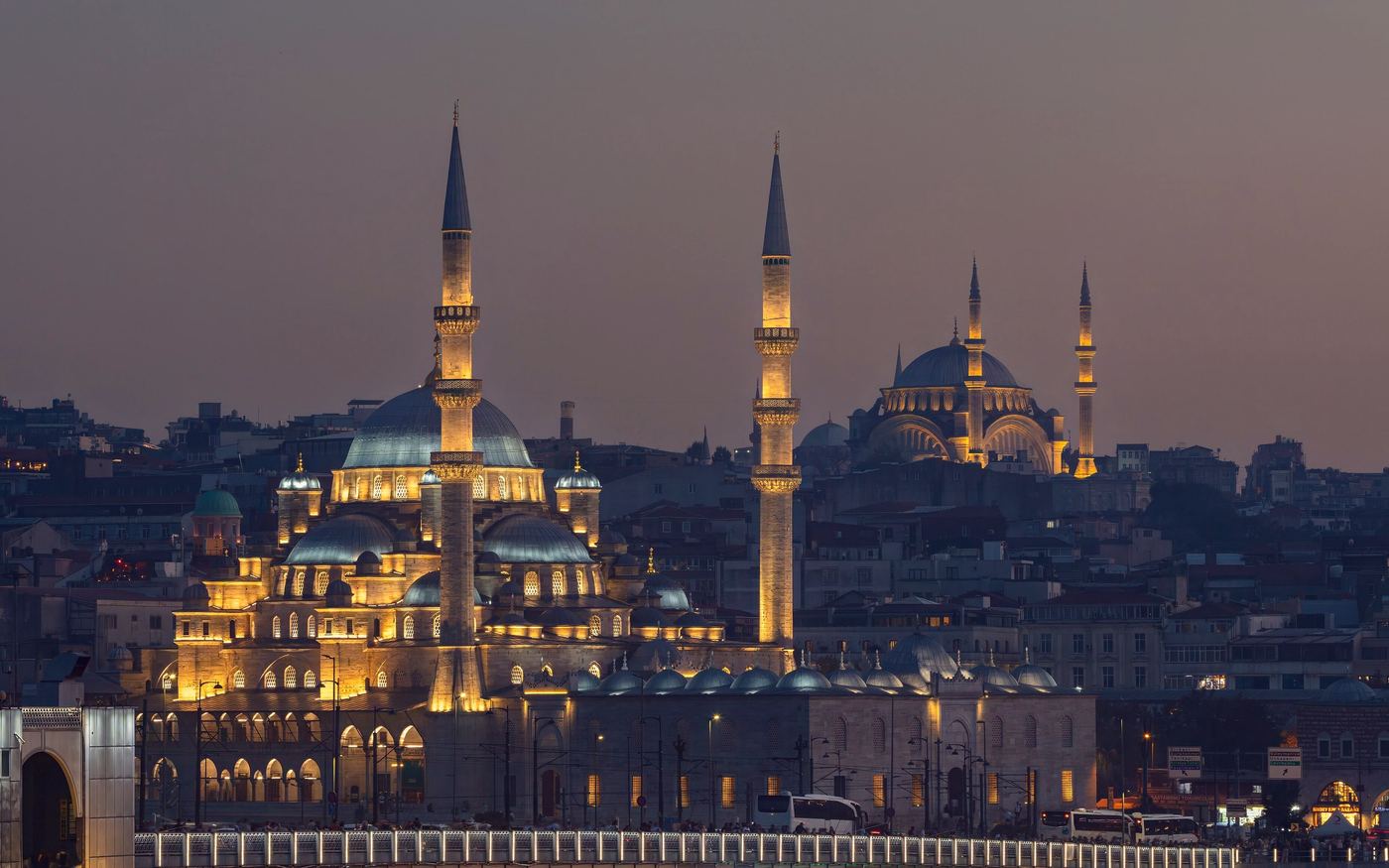
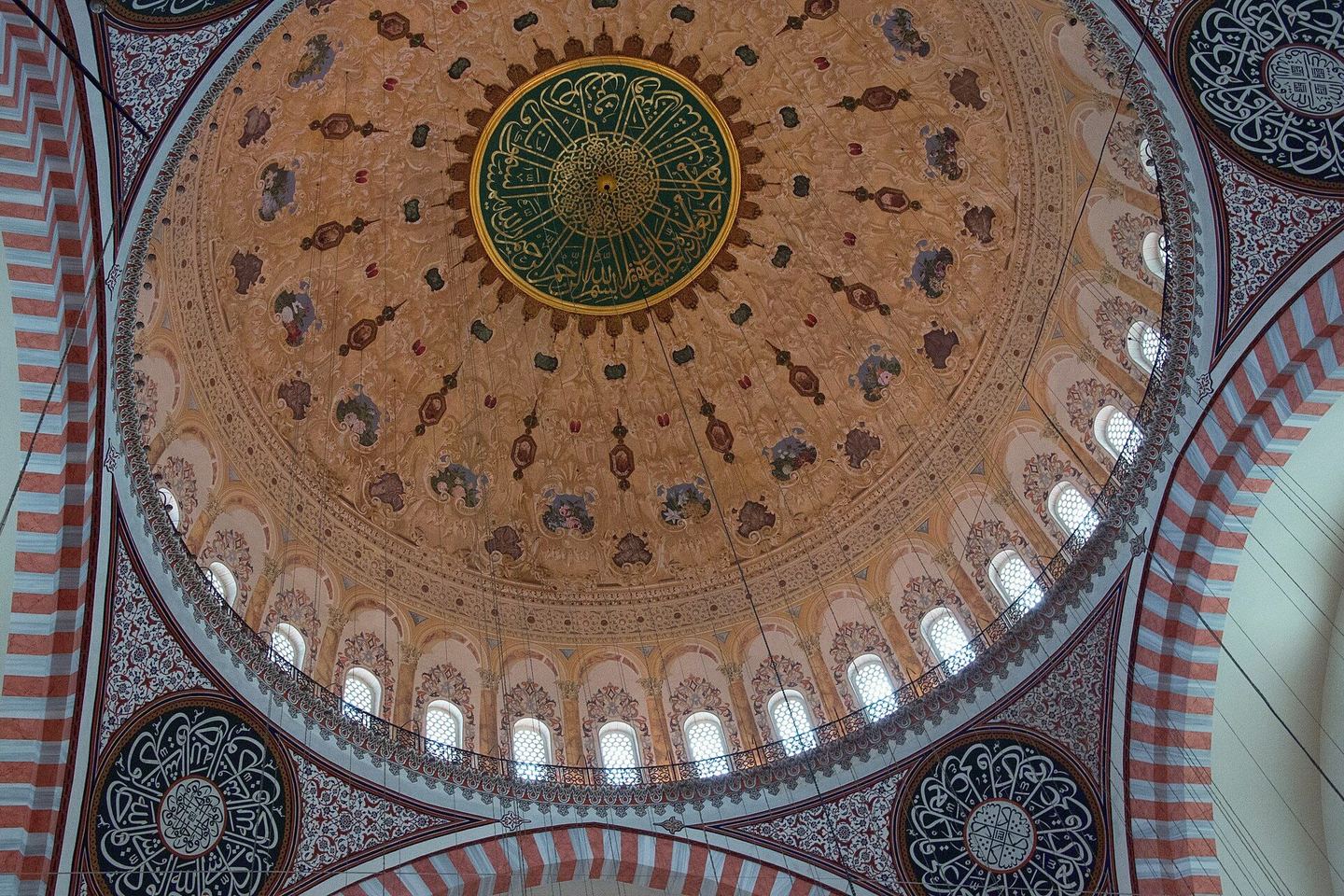
Istanbul offers another shift in attention. A dome shapes an interior; a tile contributes to a surface. Ottoman colour follows the movement of designs between objects and buildings, bringing an individual flower into a wider artistic history.
Curiosity with a factual foundation
An inscription, a surviving fragment and a later retelling provide different kinds of evidence. A useful account explains what each can establish and where an interpretation remains uncertain. Curiosity is compatible with an incomplete answer.
Our editorial standards set out how the publication records sources and review. Factual evidence provides the foundation; editorial judgment helps connect it with a reader’s interests. A proposed pace or comparison remains a recommendation, open to a traveller’s different priorities.
The ordinary hours of a visit
Markets, meals, ferries and neighbourhood streets give monuments a setting in present-day life. They also have purposes of their own. Privacy and the ordinary demands of work continue around the visitor: permission matters for a photograph, and a conversation need not become a performance.
These hours belong in the calendar. The duration guide considers what different lengths of stay can support, including arrival, departure and the effort of moving between regions. Attention becomes easier when the practical shape of the trip supports it.
From a story to a journey
A reader may begin with a building, a particular period or an interest in food, then follow links towards a place, a practical decision and an illustrative route. There is no required sequence. A single essay can be useful long before any trip is booked.
The point is the connection between attraction and understanding. A familiar view offers a beginning; a question gives it somewhere to go.
Follow on