Architecture
Istanbul for Art, Architecture and Design Lovers
A great dome and a single painted leaf can hold the eye in different ways. Istanbul’s cultural buildings reward a visit built around those contrasts.
Light is a useful companion through Istanbul’s buildings. Under a dome, it helps define a vast interior; against a tiled wall, it brings attention to colour and line. On the waterfront, a contemporary museum takes the city outside as part of its architectural setting.
These encounters need different kinds of attention. A cultural stay can follow the contrasts between structure, surface and the arrangement of images, making the transition from one building to the next part of its interest.
An art-and-architecture stay can pair Hagia Sophia and Süleymaniye with Rüstem Pasha’s tilework, Chora’s historic imagery when accessible, and Istanbul Modern. Divide historic-peninsula visits and the contemporary waterfront across separate days. Each building has its own religious or cultural use, so visiting conditions and the exhibition programme belong in the planning alongside architectural interests.
Domes across two periods
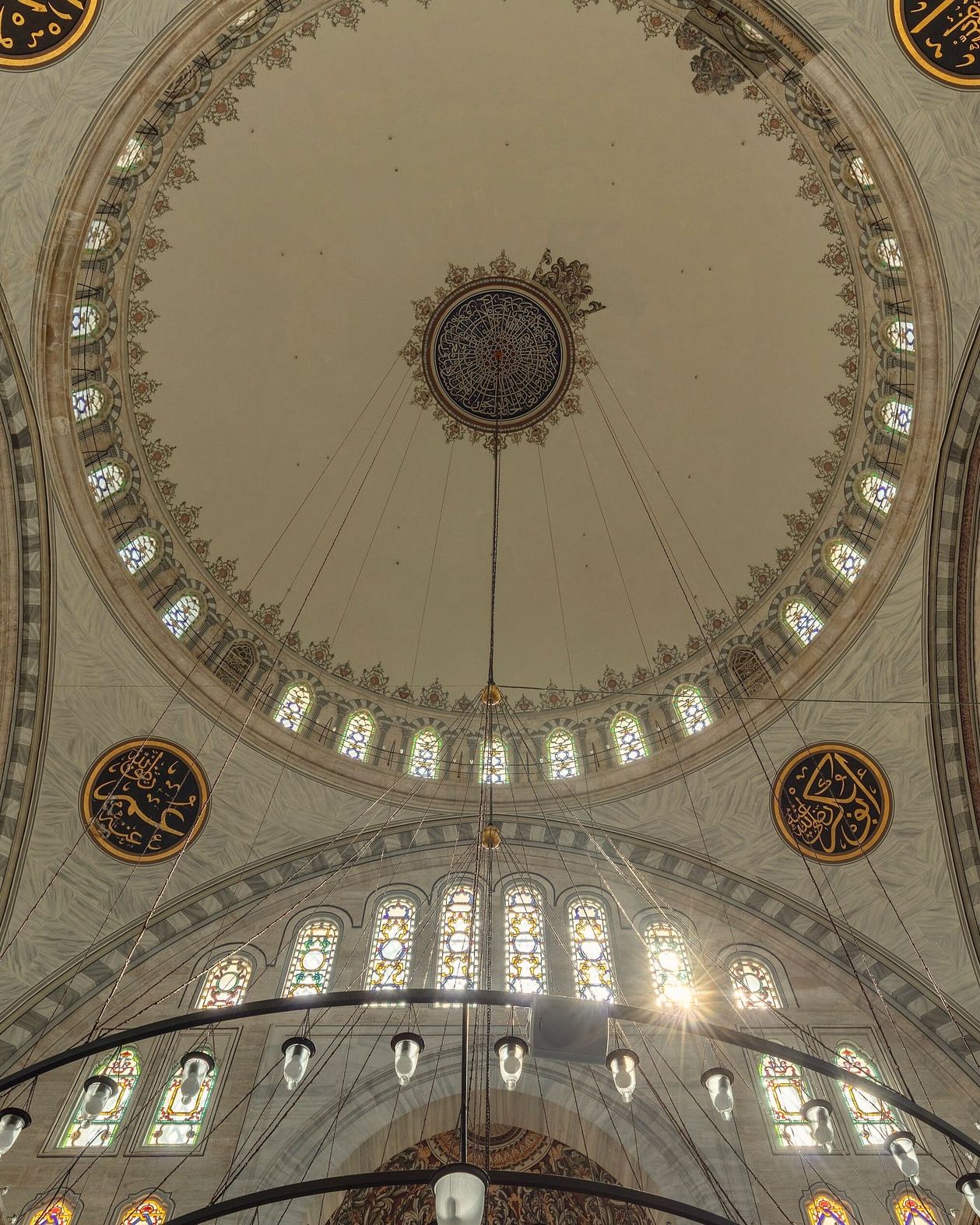
UNESCO’s Historic Areas of Istanbul account places the sixth-century Hagia Sophia and the sixteenth-century Süleymaniye among the city’s major monuments. A thousand years separates their origins. Comparing the interiors directs attention to the span above the visitor, the visibility of supports and the way the building admits light.
The changing light and the position from which an interior is seen can alter the impression of its proportions. Those variations belong to architectural experience; dates and structural history provide the framework for interpreting them.
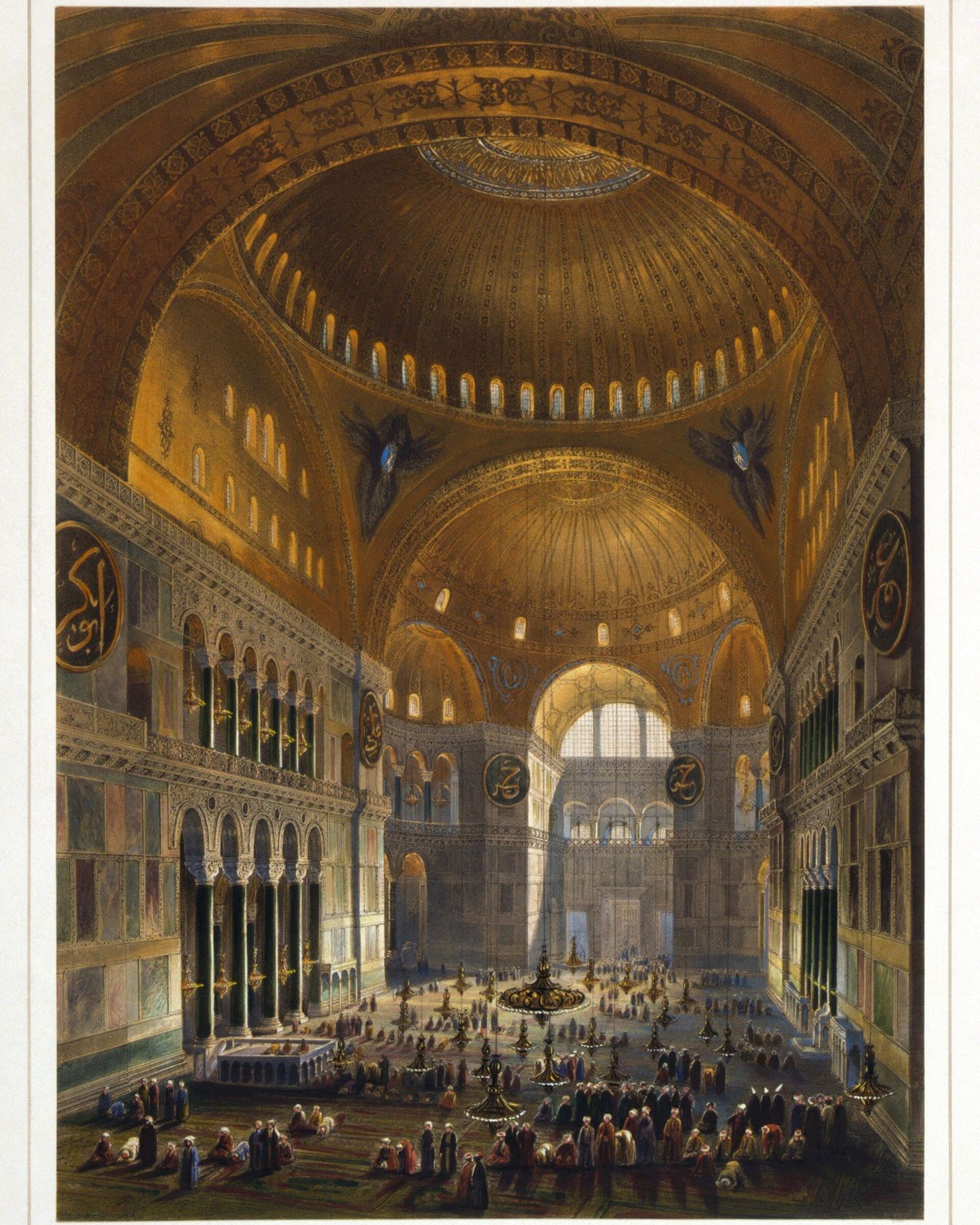
The Haghe lithograph after Fossati adds a historical view of the building. Its representation can be compared with the interior encountered today, bringing successive uses and alterations into the architectural story.
The tiled surface
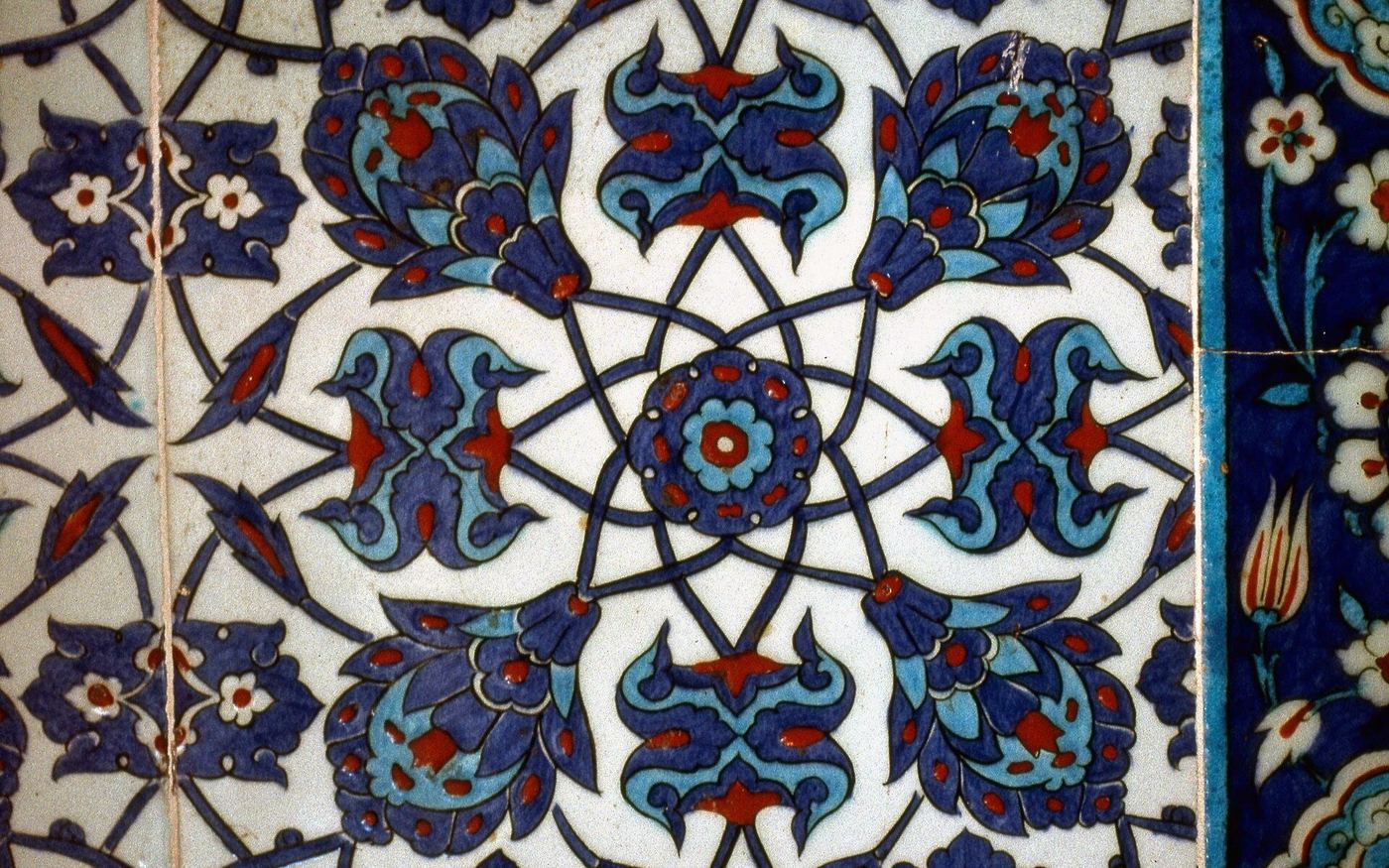
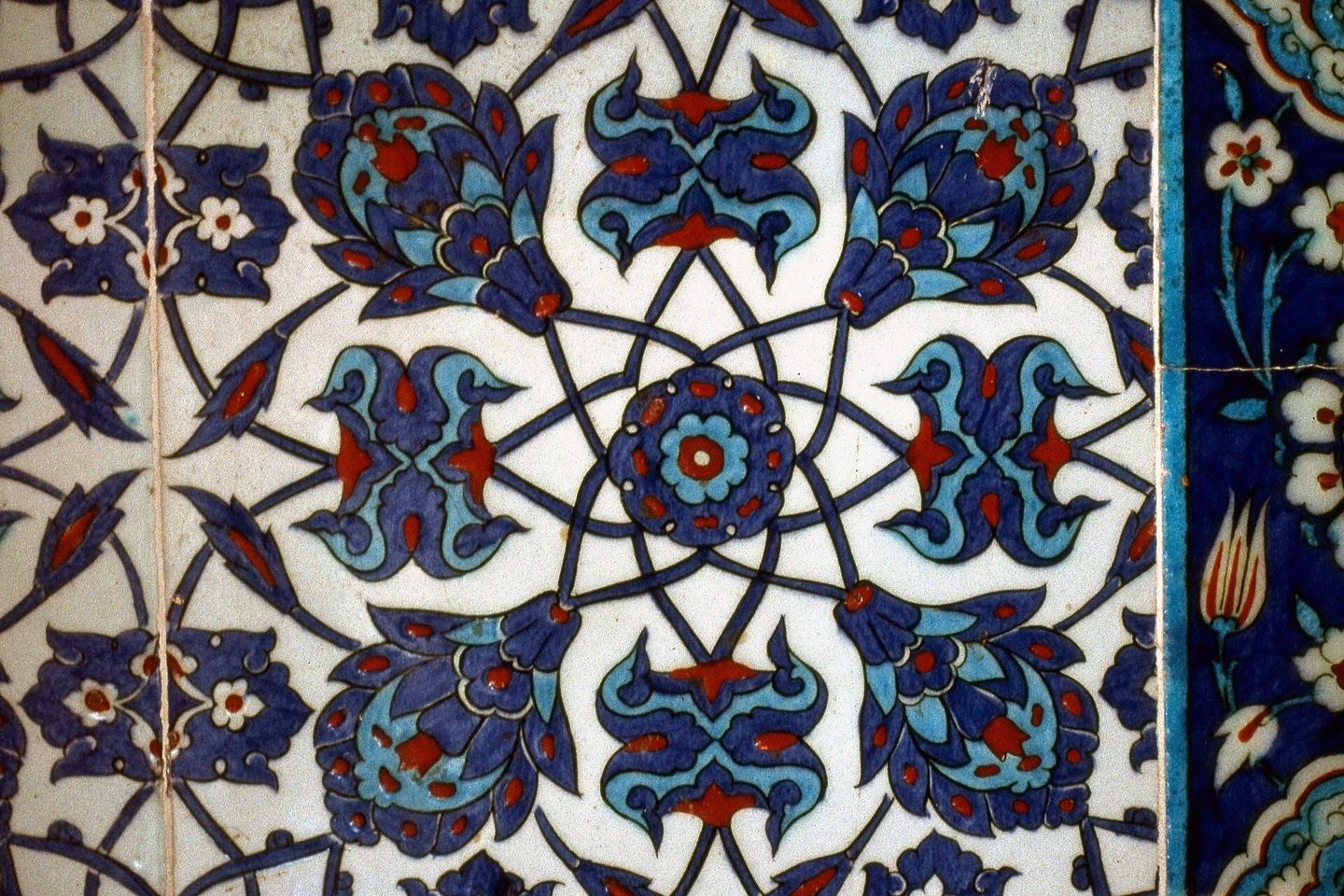
Rüstem Pasha Mosque concentrates attention on colour and repetition. A leaf or flower can be appreciated as a drawn form, then followed into the pattern across a wall. The ceramic surface makes the room an encounter with individual details as well as a larger composition.
The Walters and Aga Khan Museum accounts document floral designs across vessels, architectural tiles and other media. From Tile to City develops that connection through particular museum objects.
Chora and the arrangement of images
At Chora, historic imagery introduces questions of composition, narrative and patronage. In the dedication mosaic, the donor’s model of the church places a building inside the image itself. Figures, gestures and surviving surfaces can be considered together before turning to the identification of individual subjects.
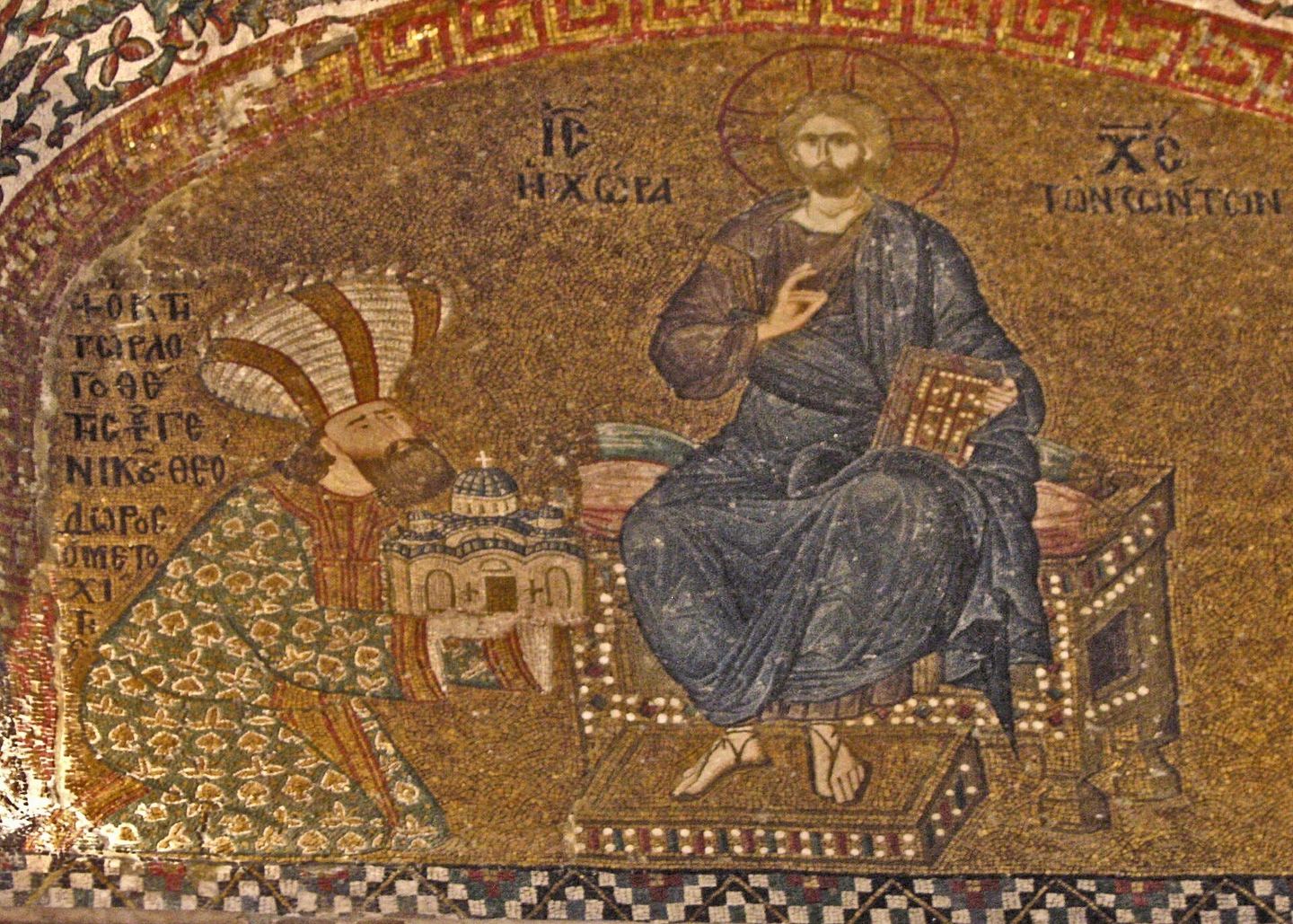
Current access and the visibility of particular surfaces need checking before a visit is planned around them. Specialist interpretation can then help distinguish the historical programme from later changes and losses.
Istanbul Modern at the water
Istanbul Modern’s own account relates its Renzo Piano Building Workshop design to the former customs warehouse site, reflected light and the Bosphorus waterfront. Here, the city beyond the museum becomes an architectural subject. The public spaces and the galleries reward different parts of a visit.
Check the current programme to decide how much exhibition time to allow. The Galata and Karaköy walk connects the museum with the hill streets behind it, giving the contemporary building a place within a longer urban history.
Two days with distinct subjects
A historic-peninsula day can concentrate on the great interiors; a second day across the Golden Horn can follow the museum and its neighbourhood. Prayer arrangements, entry procedures and the distance between buildings determine how much can comfortably fit. The visits proposed here are an editorial comparison, not the inclusions of a single tour.
Across the two days, the city changes the meaning of its rooms. A dome, a tiled surface, a mosaic and a museum window each direct attention differently; together, they show how architecture connects an interior with the life around it.
Follow on