Central Anatolia
CappadociaThe Landscape Beyond the Balloon Image
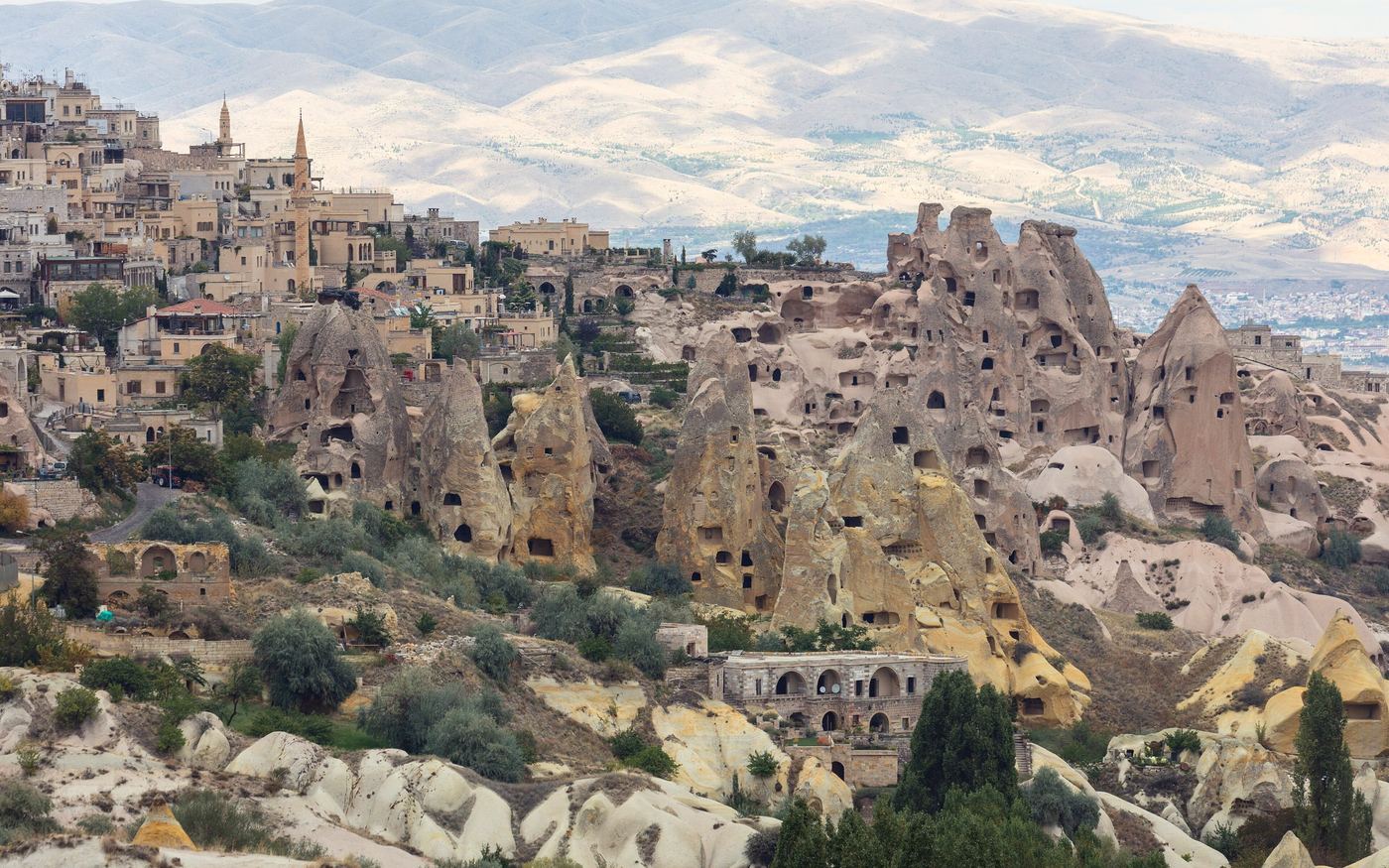
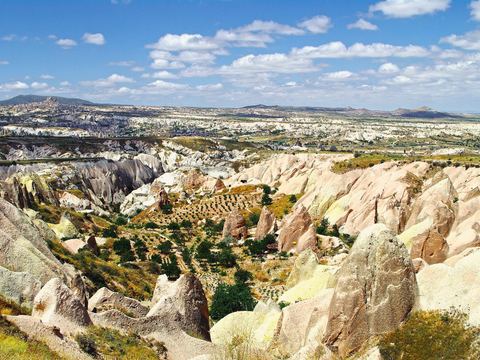
An opening in a Cappadocian hillside can lead into a room. Its shape, light and surviving surfaces bring human decisions into a landscape first encountered as ridges and valleys. These interiors give the region much of its cultural interest.
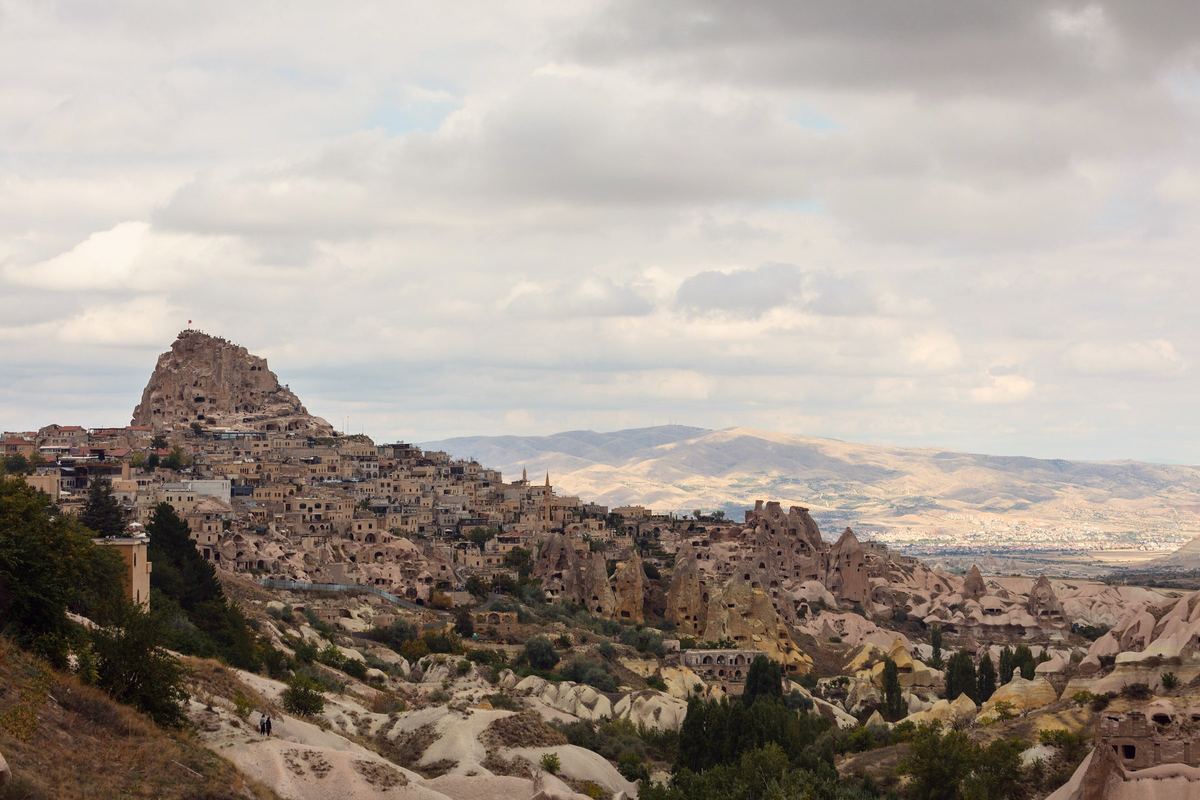
Make time for both settings: a view across the terrain, then a space that people carved within it. The towns and villages provide further contrasts between cut-rock buildings, stone construction and contemporary life.
The place in a paragraph
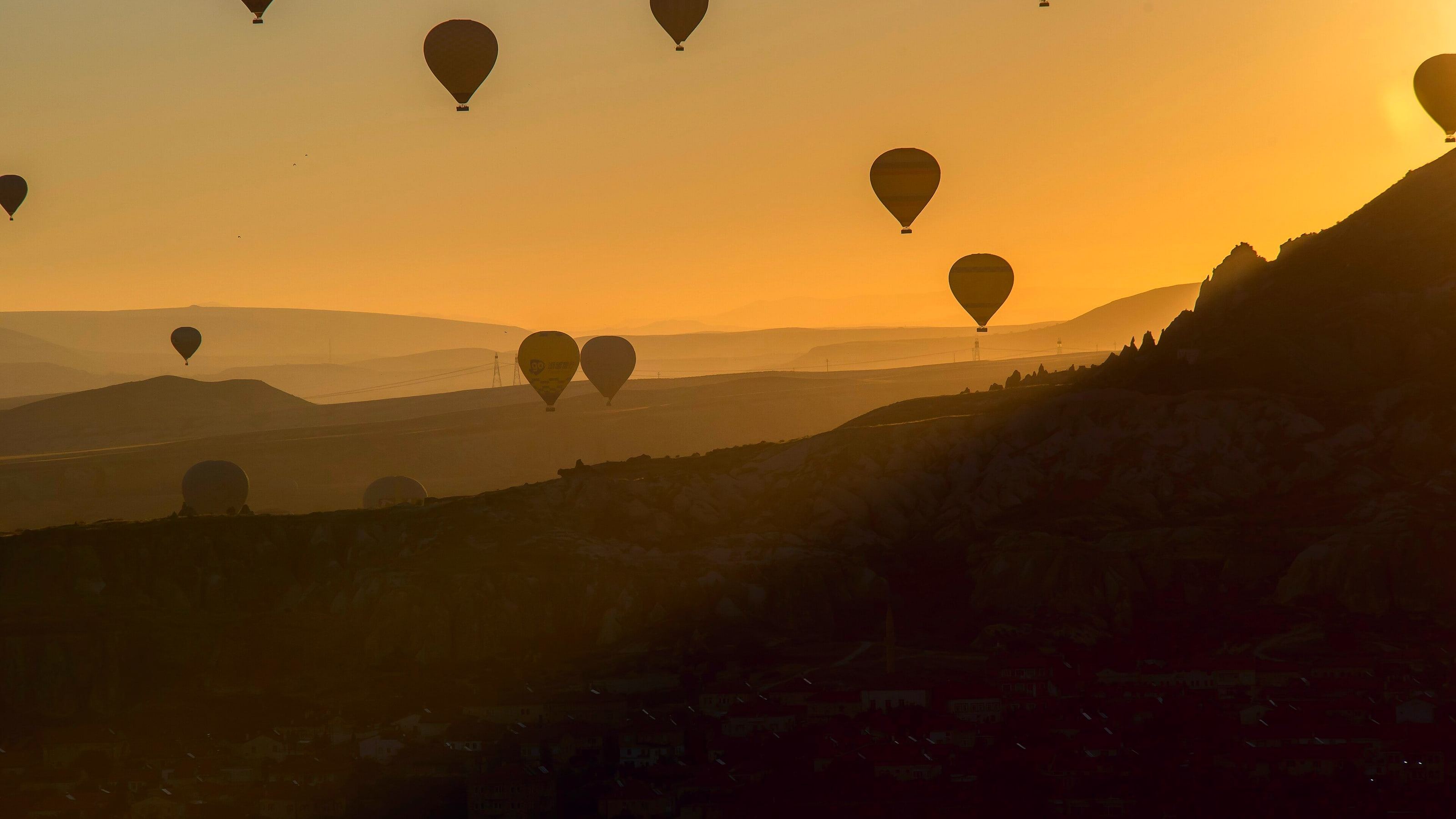
Cappadocia is distinctive for its eroded volcanic landscape and the ways people shaped its soft rock into churches, homes and underground spaces. A well-planned visit combines a landscape perspective with time inside an appropriate rock-cut heritage site, perhaps a locally confirmed walk and one of the region's settlements. Balloon flights are optional and weather-dependent, not the measure of a successful stay.
The second look
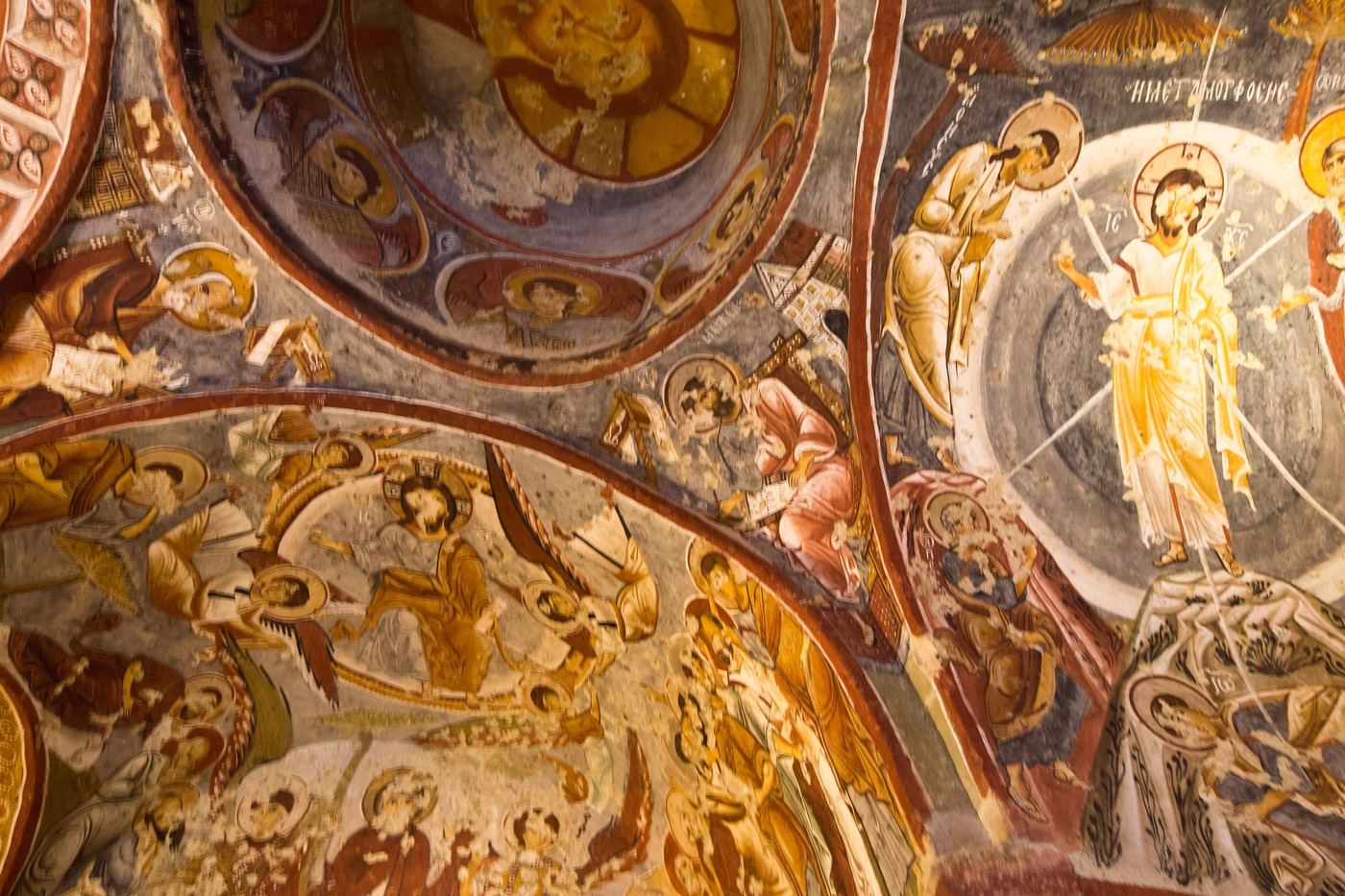
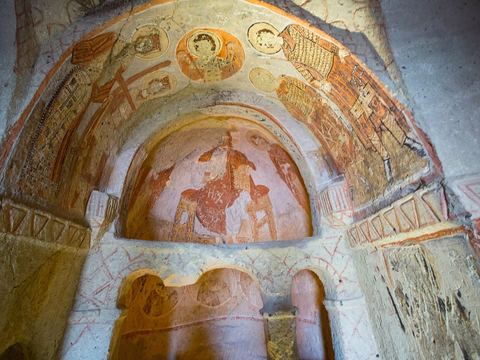
The Göreme valley’s sanctuaries preserve important evidence of Byzantine painting after Iconoclasm. Read a room and its surviving surfaces together, and use interpretation for individual dates and subjects.
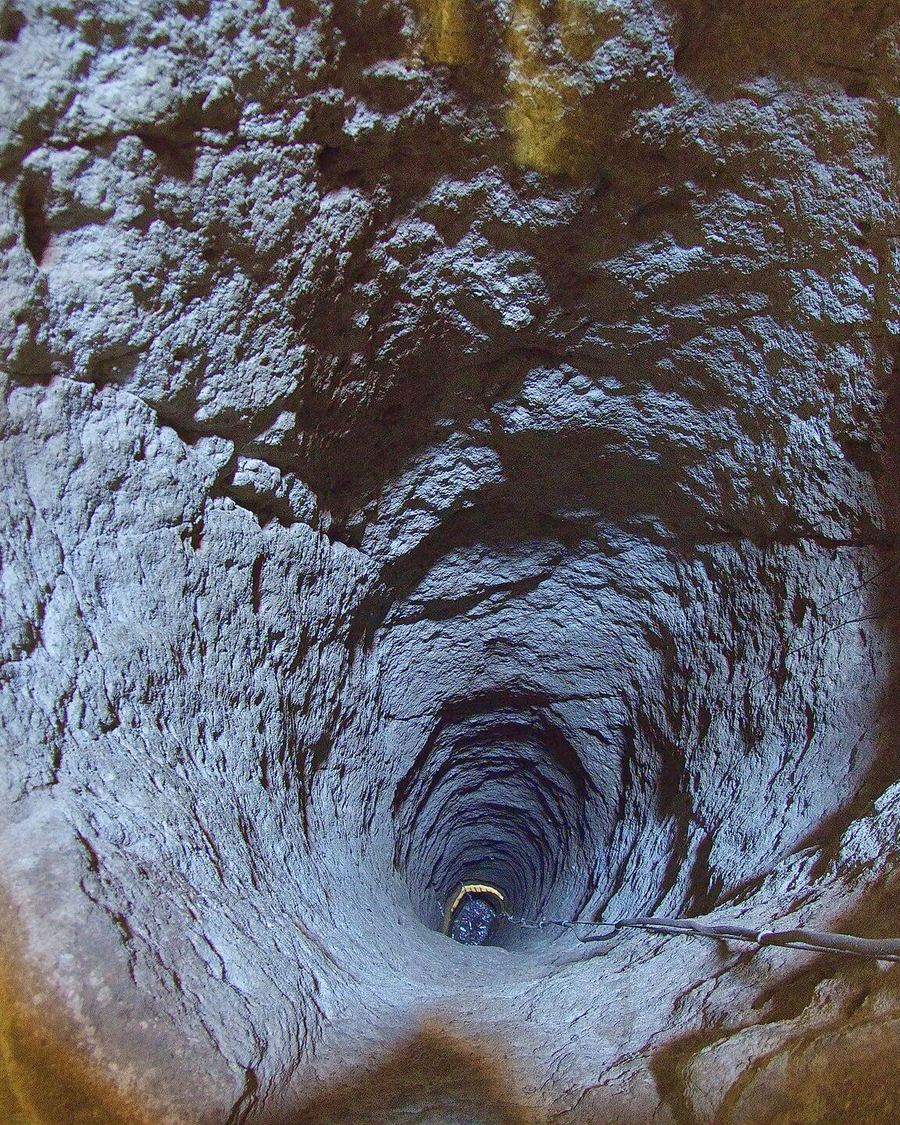
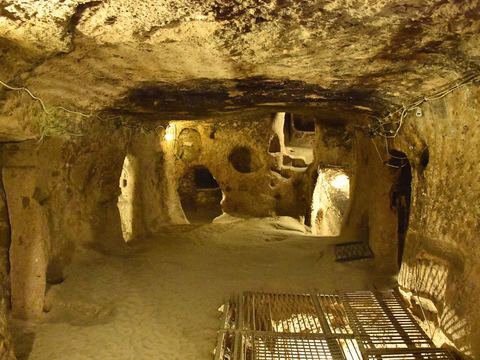
Underground settlements show another use of the rock. Enclosed passages and changes of level matter to how a visitor experiences them; confirm the actual route if mobility or confined spaces are a concern.
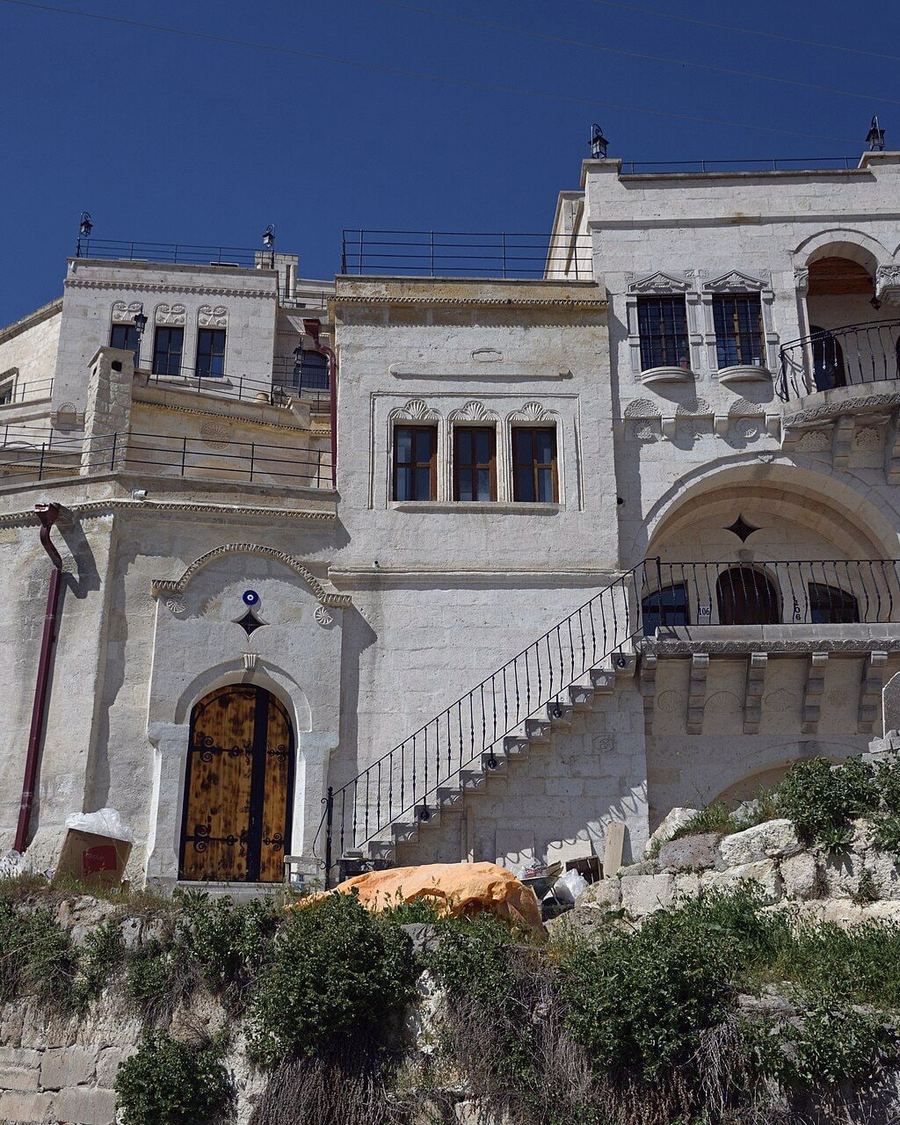
The stone mansion at İbrahimpaşa in the photograph offers a contrast with cut-rock interiors. Compare the façade and the spaces it encloses rather than assuming every local building is a cave.
Planning
What kind of journey fits here.
- How long
- Three nights is a useful starting point for several distinct kinds of day. Two asks for choices; four leaves more room for walking and a longer excursion. These are editorial pacing suggestions, not a promise of a balloon flight.
- Suits
- Travellers interested in landscape, architecture and Byzantine art. Families should choose individual routes for their children’s interests and stamina; not every underground or walking visit suits every age.
- Where to base yourself
- Compare Göreme for a heritage-focused first stay, Uçhisar for its elevated setting and particular properties, and Ürgüp as a town base. Verify the exact room, walking approaches and evening transport.
- The trade-off
- Main sites and viewpoints can be busy, and the region covers more ground than a single town. Plan the actual arrival, transfers and walking routes before filling every day.
- When to come
- Choose the season for the activities you want, then check the actual weather and access. Snow, heat and wind can change a walking day or a flight plan; a spare morning is a margin, not a guarantee.
Ways in
Where to begin.
- 01The Göreme Open-Air MuseumA focused introduction to painted rock-cut interiors. Confirm current access and any separate admission before visiting.
- 02The valleys on footChoose a specific valley route for its surface, length and current conditions. A viewpoint and a walk are different experiences.
- 03An underground cityDerinkuyu or Kaymaklı can reveal another use of the rock. Confirm steps, low passages and the permitted route before deciding whether to enter.
- 04Ihlara ValleyA river gorge and rock-cut churches in another part of the region. Give the road journey and walking route their own time.
- 05Zelve and the older settlementsA former rock-cut settlement where you can see how the rock was actually lived in, and what happens when it erodes.
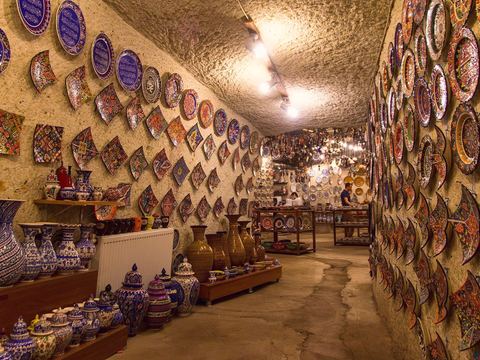
- 06AvanosA pottery-focused stop can introduce a different material tradition. Ask who made the work and what a visit actually involves.
A landscape people inhabited
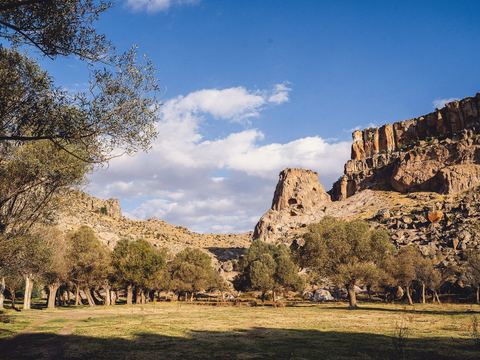
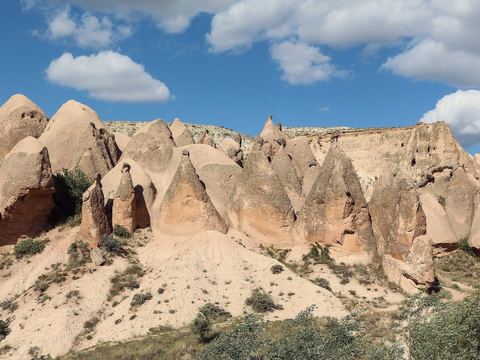
UNESCO brings volcanic tuff, rock-hewn sanctuaries, domestic settlement and subterranean spaces into one cultural landscape. Their relationship is the starting point for a visit, while individual dates and uses require site-specific interpretation.
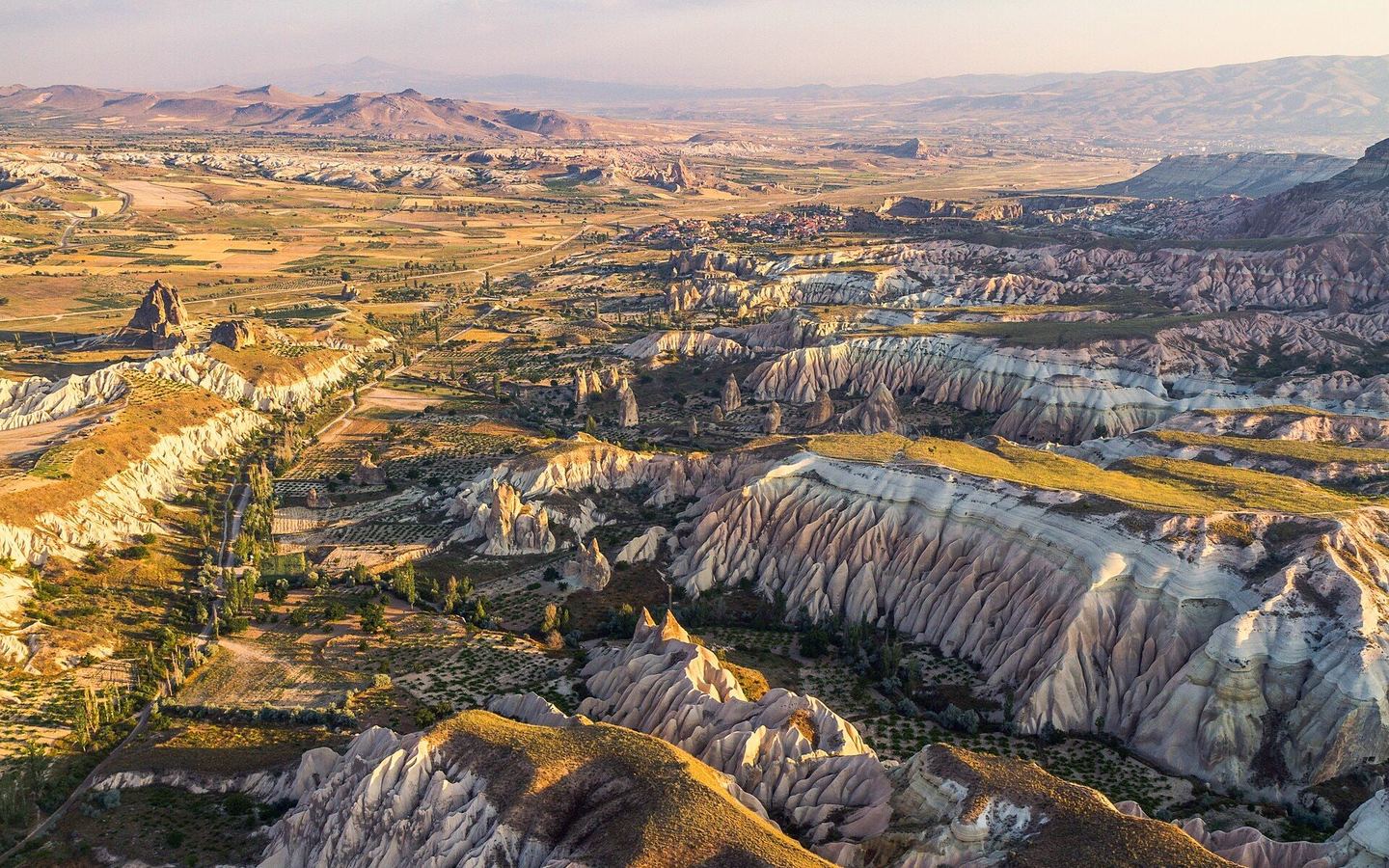
A valley outing shows erosion at work across a broad area. A settlement reveals how people made openings, linked rooms and adapted to the same material. Zelve or one of the region’s towns can therefore add a different subject to a day focused on churches.
Entering a painted church
Notice how the images occupy the interior: their relation to the roof, the light and a person standing below. The arrangement helps explain why a painting belongs in that particular room. Our rock-cut church essay develops this way of looking.
Use interpretation to identify individual subjects and chronology, including changes and losses. Photography restrictions and barriers protect vulnerable surfaces; follow the rules and keep clear of the paintings.
Domestic spaces and underground routes
Living in Stone considers the relationship between rock-cut architecture and later uses. For a stay, assess the specific room’s windows, ventilation and approach. The architectural interest and the comfort of the accommodation are separate decisions.
An underground visit introduces low passages, steps and enclosed spaces. Establish the permitted route before entering, especially if mobility or confined interiors are concerns. A surface visit can give a party a fuller experience when descending would be uncomfortable.
Planning the stay
Build the ground-based days first. The guide beyond the balloons offers alternatives, and the night-count comparison helps allocate time. Istanbul and Cappadocia in eight days illustrates one combined route.
If you add ballooning, obtain the provider’s current terms, safety credentials and arrangements directly. Weather and operational authorisation determine whether a flight takes place. An additional morning offers another possibility, with no guaranteed departure. A stay organised around the region’s heritage remains worthwhile either way.
Deep reading