Ways to travel
Heritage and Archaeology: A Cultural Journey Through Türkiye
Follow a historical theme through contrasting sites, giving museum objects, outdoor remains and the work of conservation their own attention.
A city’s empty harbour, the site of a library or a roofless room can all direct attention towards what is missing. Archaeological travel involves learning how the surviving record relates to those absences.
Choose a theme that interests you and a few places that approach it differently. Collections and interpretation can supply detail between outdoor visits, while time in a living town gives the historical landscape another context.
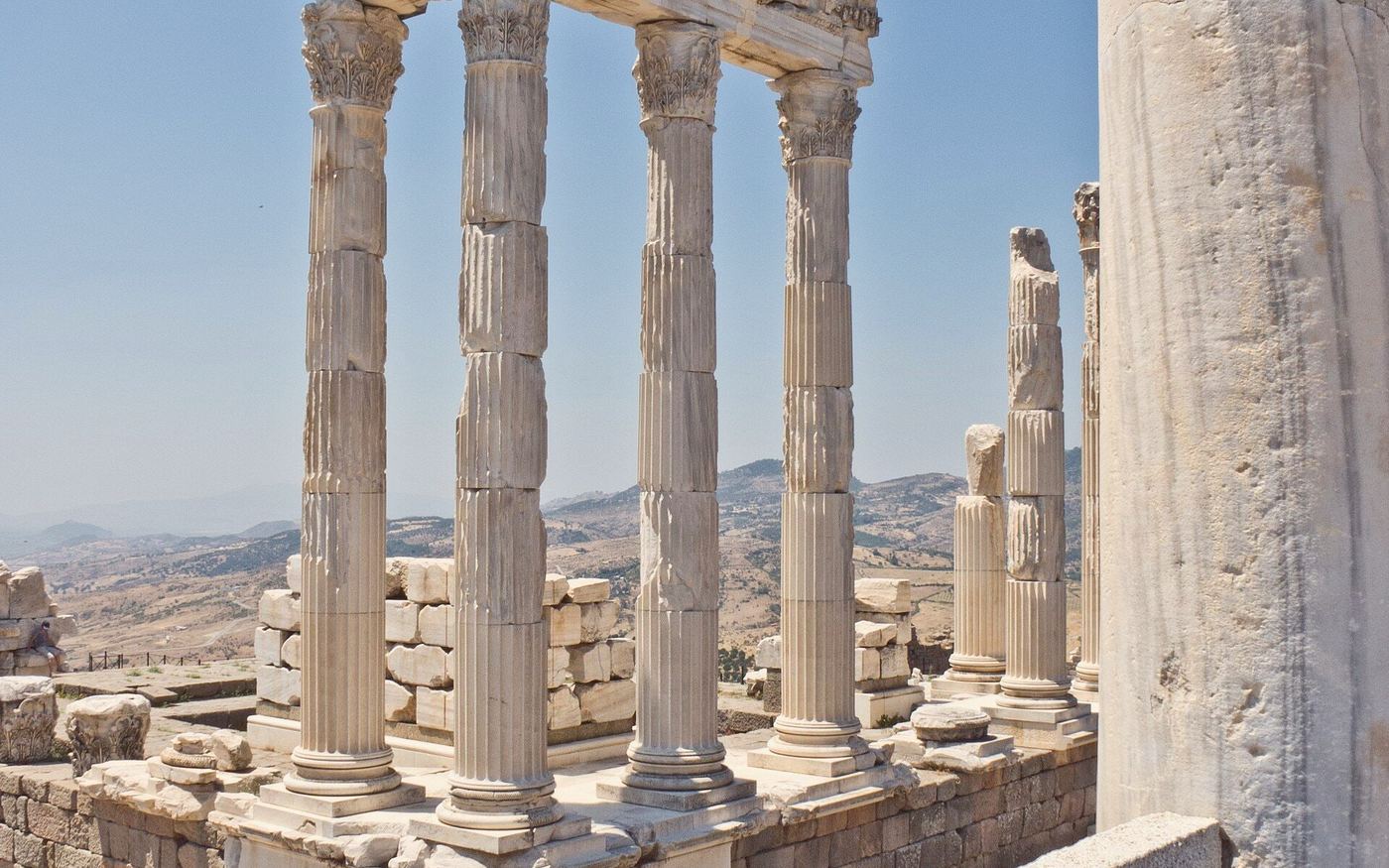
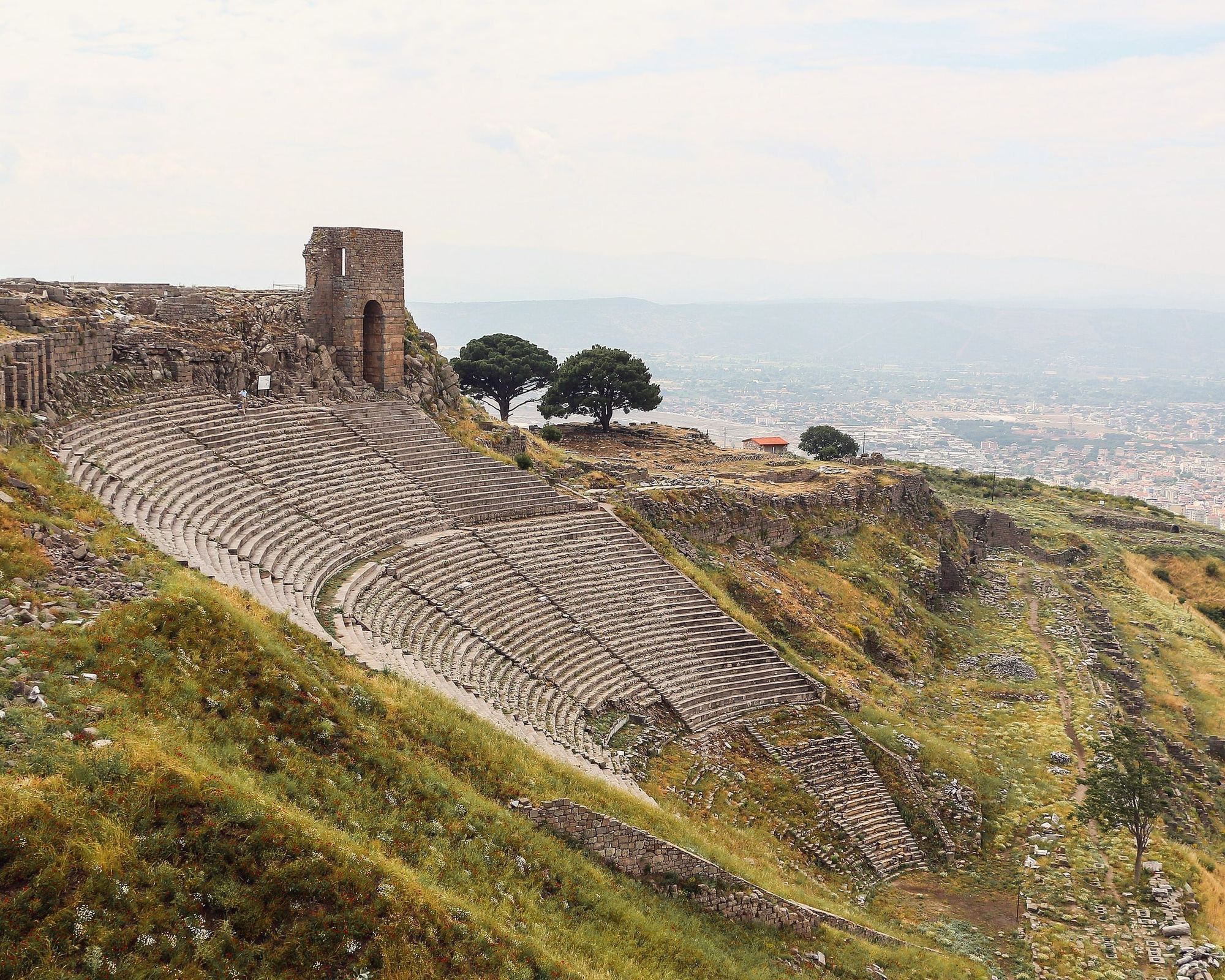
A heritage-led Türkiye itinerary is strongest when it follows a few coherent themes. Ephesus offers a Roman urban and port-city landscape, Pergamon contrasts a hilltop capital with the Asklepion, and Cappadocia reveals religious and domestic spaces carved into rock. Choose a manageable number of sites and allow time for interpretation, museum collections and recovery between demanding visits. Ask about guide knowledge and current access rather than assuming a private label guarantees specialist expertise.
Who this suits
- Readers drawn to the relationship between a settlement and its landscape.
- Returning visitors who want a focused cultural route.
- Groups who enjoy asking questions and looking closely on the ground.
When it is not worth it
A dense archaeological schedule can be physically and mentally tiring. If long exposed visits do not suit you, choose shorter visits, museums and more recovery time.
In practice
What actually changes.
- i.
Choose a contrast
A harbour city, a hilltop capital and a rock-cut settlement can ask different questions of the same traveller.
- ii.
Keep interpretation honest
Distinguish surviving remains, modern reconstruction, evidence and scholarly interpretation.
- iii.
Make conservation visible
Closed areas and fragile surfaces are part of a living conservation task, not obstacles to work around.
Give the route a question
An interest in domestic architecture might connect Cappadocia’s carved dwellings with the affluent interiors at Ephesus. For sacred space, a painted church and a monumental sanctuary offer contrasting settings. Such pairings give the itinerary a focus while keeping the historical differences clear.
Choose the questions that hold your attention, then give the places enough time to answer them. The ancient Aegean guide is a useful comparison if the classical world is your main interest.
Read what is missing
A ruin is a partial record. Some elements survive standing, some are reconstructed and others are understood through excavation or comparison. Ask a guide to distinguish these kinds of knowledge. A convincing reconstruction drawing can help you imagine a building without proving every detail of daily life inside it.
Be equally careful with appealing stories. A claim that a famous individual stood at a particular spot or that a tunnel served a dramatic purpose should have evidence. Knowing where the evidence ends helps you assess the account.
One demanding visit can fill a day
Travel between dispersed sites, exposed ground and sustained attention all take energy. Build the day around one serious visit, then decide whether a museum, a town walk or simply lunch is the best complement. Adding another major site because it is nearby on a map can reduce what you retain of both.
A museum can also change the scale of the trip. An object, inscription or architectural fragment may make the next outdoor visit clearer. Let the sequence alternate between the landscape and the detail rather than repeat the same kind of day.
Conservation is part of the encounter
Keep to permitted routes and respect barriers. Do not touch painted surfaces, climb on fragile structures or move a stone to improve a photograph. A closure may be disappointing, but it can also tell you something about the work needed to preserve the evidence for future visitors.
The UNESCO accounts are useful short introductions to why a site matters. They are not current visitor-service pages, so check the operating institution for access, admission and conservation restrictions before travel.
Guiding for the subject
A guide should help you compare what survives with what archaeologists have reconstructed. Explain whether your interest is architecture, belief, urban life, medicine or material culture, then ask how the day would respond to it. Request relevant subject experience alongside professional credentials.
Use the classical Aegean journey as a possible framework. It is illustrative and customisable, and a shorter list with more time may be the stronger version for you.