Southern Türkiye
The Mediterranean CoastMore Than a Beach Itinerary
Along this coast, a rock-cut tomb, an ancient port and a harbour town offer different encounters with the sea-facing landscape. They can be part of a holiday whose other days are spent close to one base.
Choose the stretch that appeals to you and give it time. Antalya’s city life, Fethiye’s wider coastal setting and the smaller harbour at Kaş lead to different stays, even before the first excursion is added.
The place in a paragraph
Türkiye's Mediterranean coast combines different holiday settings—from Antalya's urban life to harbour towns and smaller coastal bases—with Lycian archaeological landscapes. Choose the type of stay before connecting destinations: a city, a quiet coast or a mix of swimming and cultural visits. Fewer hotel changes usually allow more time by the water, while visits to sites such as Patara and the Xanthos-Letoon landscape need dedicated travel and walking time.
The second look
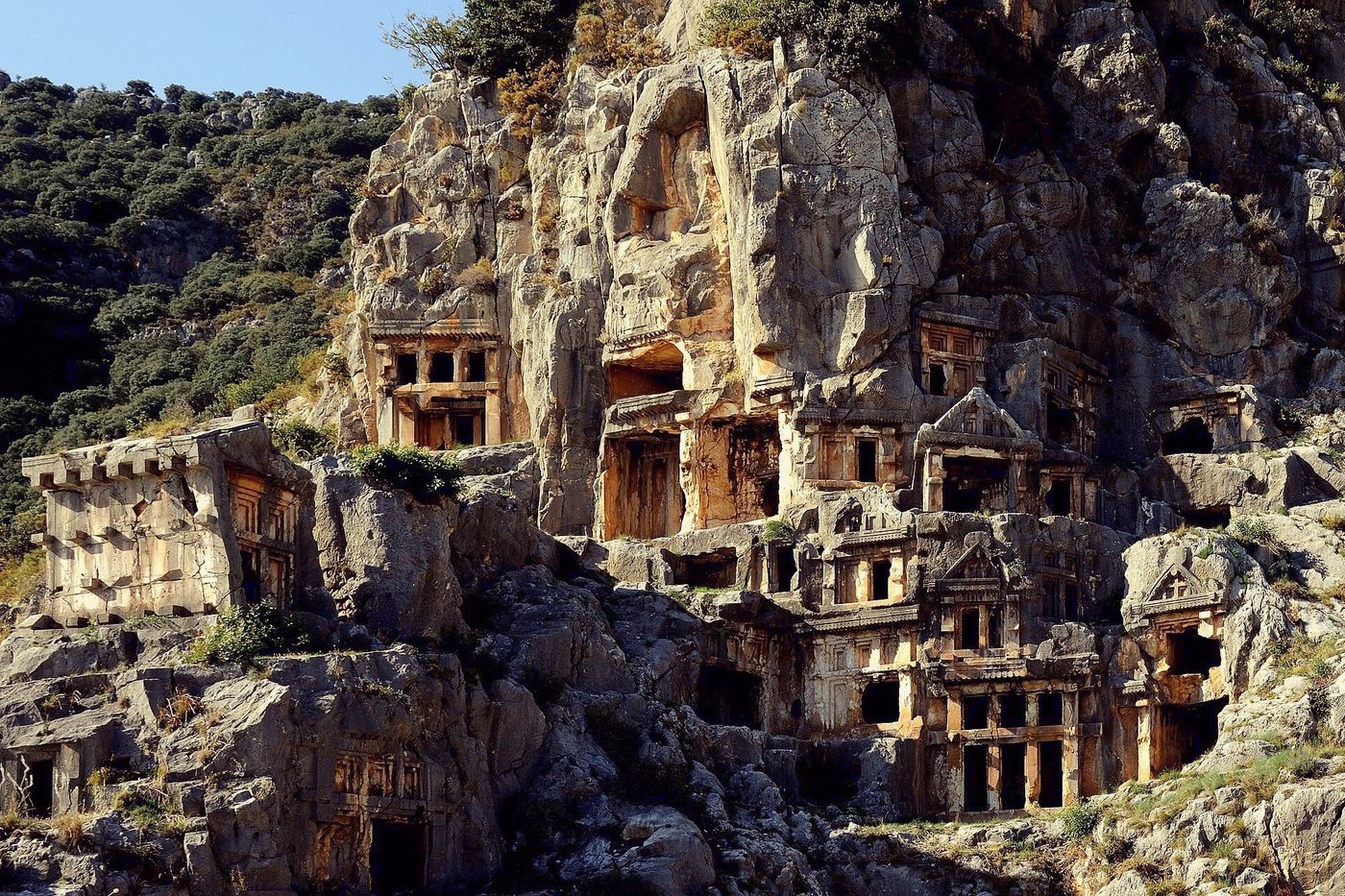
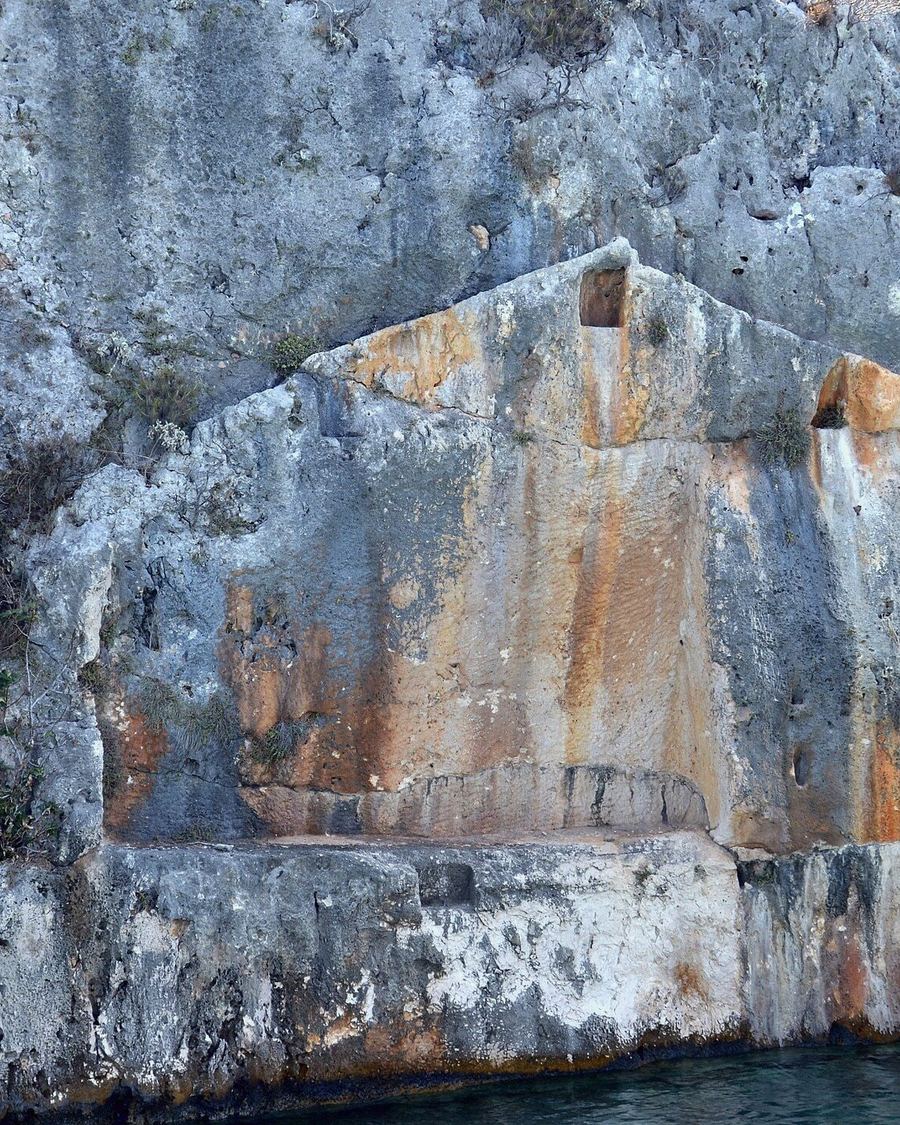
The rock-cut tombs at Myra, shown here, make a distinctive introduction to the coast’s funerary architecture. For historical context, UNESCO’s Xanthos-Letoon account explains the importance of Lycian inscriptions and tomb forms.
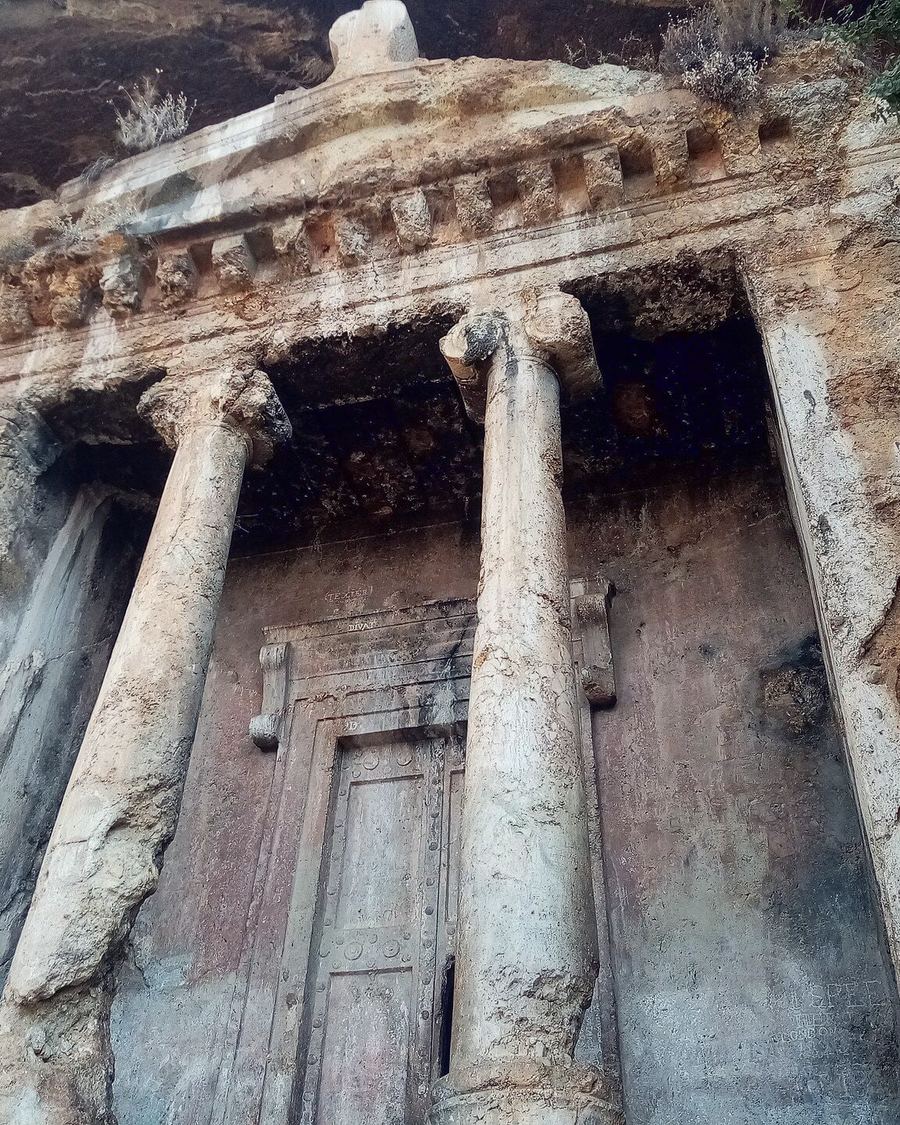
The Tomb of Amyntas above Fethiye brings a carved architectural front into the face of the rock. Look at the relationship between image, material and setting before relying on a date or an interpretation supplied in passing.
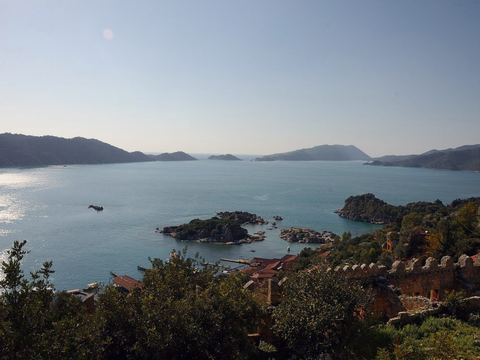
The photograph at Kekova brings walls and water into the same view. Confirm what can be visited and by which route rather than assuming every visible ruin is open to swimming or landing.
Planning
What kind of journey fits here.
- How long
- A week can work well for one limited stretch, perhaps split between two bases. A shorter stay should narrow its geography rather than keep the same number of stops.
- Suits
- Couples, swimmers, walkers and divers, and families looking for a smaller scale than the big resorts. It suits people who enjoy mixing a morning at a ruin with an afternoon in the water.
- Where to base yourself
- Kaş for a smaller harbour setting, Fethiye for a larger base, Antalya for a city stay. Compare the experience and location of actual accommodation before choosing.
- The trade-off
- Coastal roads, site days and transfers can consume more time than a broad map suggests. Arrival airport and exact overnight bases matter; summer heat changes the appetite for exposed walking.
- When to come
- Late spring and early autumn may suit a mix of walking and sea time, but neither weather nor swimming conditions are guaranteed. Confirm seasonal services and local conditions for the actual visit.
Ways in
Where to begin.
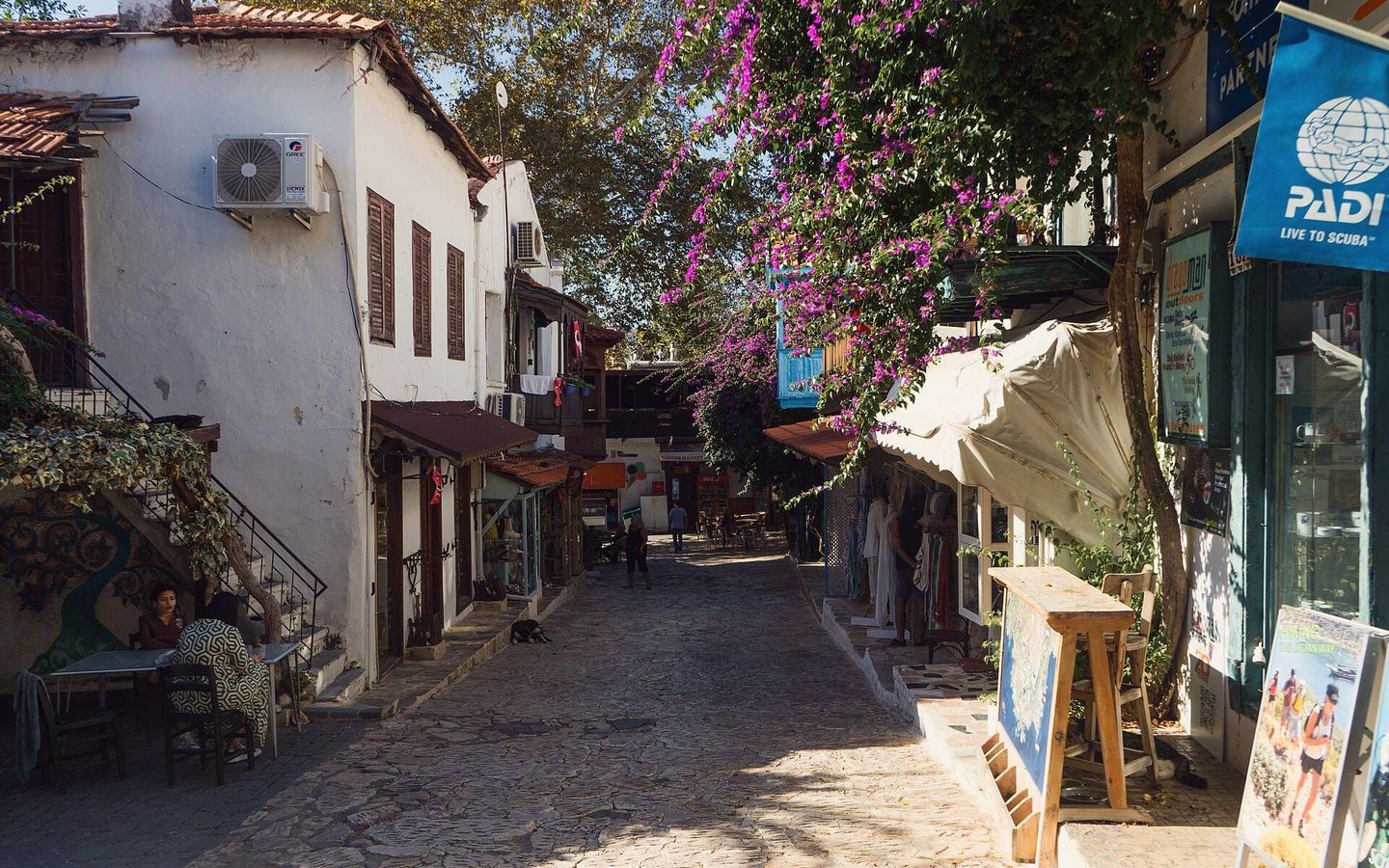
- 01KaşA smaller harbour setting with streets and ancient remains near the modern town. Choose it for the stay it supports, not as a midpoint on a hurried coastal circuit.
- 02Kekova and SimenaA coastal landscape in which the method of visiting matters. Confirm boat routes, landing rules and current conditions with an authorised local provider.
- 03Fethiye and ÖlüdenizA larger base with the Ölüdeniz area nearby. The exact accommodation location determines how easily town, beach and excursions fit together.
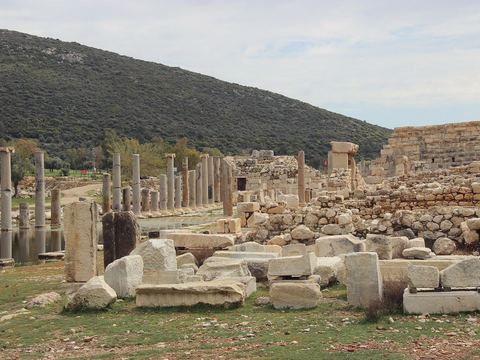
- 04PataraA former Lycian port near Gelemiş. Give the archaeological site and the coastal landscape separate attention.
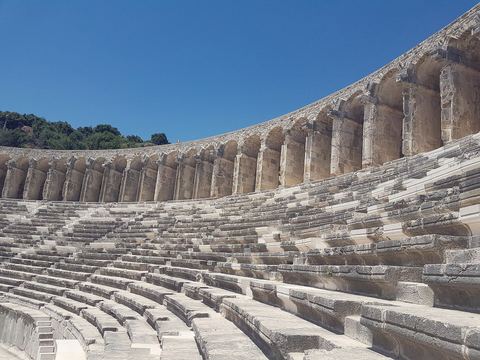
- 05Antalya and AspendosA city stay and a separate regional archaeological direction. Give any out-of-town visit its actual road and walking time.
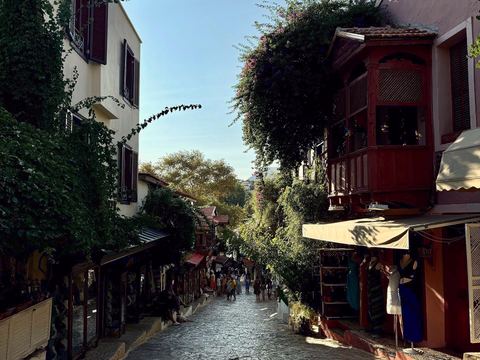
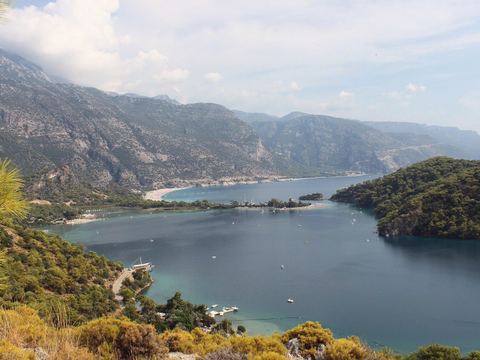
Begin by choosing a kind of coast
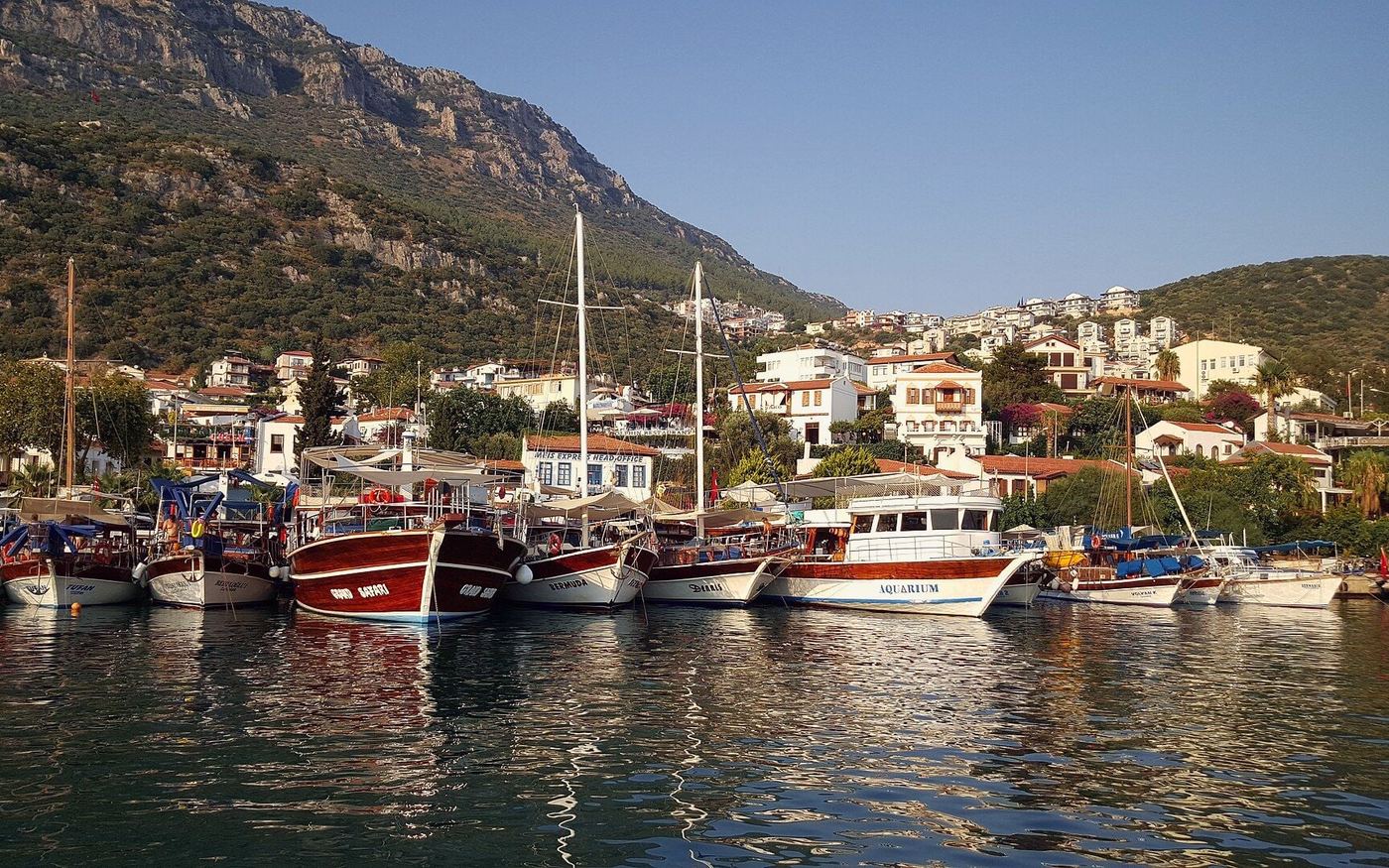
Our Kaş-or-Fethiye comparison compares a smaller harbour town with a larger coastal base; Antalya adds the possibility of a larger city with a historic centre.
Once the base is chosen, keep the daily geography modest. A scenic drive can be a pleasure, but several long drives in succession can make the sea something you keep glimpsing from a vehicle. Several nights in one place let its own surroundings become familiar.
Lycia gives the landscape another subject
UNESCO’s Xanthos-Letoon record describes an ancient civilisation through its inscriptions, architecture and funerary art, as well as the later influences visible there. It offers a precise cultural frame for the coast without turning every monument into the same story. A rock-cut tomb, a harbour and a sanctuary have different purposes; good interpretation should keep those distinctions clear.
At Patara, the ministry’s account places the ancient port at the centre of the city’s importance. Think about how people reached the wider world from this shore, then look at how the present landscape has changed. The question connects the archaeology with the changed geography around it.
Alternate effort with stillness
A coastal holiday can hold serious cultural days, but it need not hold one every morning. Pair an exposed archaeological walk with an afternoon that has fewer demands. Plan a longer excursion on another day rather than adding every nearby name after the main visit.
A walk needs its own preparation: current route information, terrain, weather and a realistic return. Assess the particular path against your party’s needs. If a full walking day is not the point of the trip, a shorter locally confirmed route can give enough sense of the mountains and coast.
Seeing the shore from the water
A day at sea is another way to understand the landscape, with its own service arrangements to evaluate. Ask about the precise route, passenger numbers, shade, boarding, weather decisions and what landings or swimming stops are permitted. Obtain those details from the provider before booking.
For this coast, arrange activities directly with an appropriate local provider; no named Caicos Mediterranean itinerary or boat service has been verified for inclusion here. Keep the sea day within the same modest geography as the rest of the stay, with a return to the base you chose to enjoy.
Deep reading