Architecture
Cappadocia's Rock-Cut Churches: Art Inside the Landscape
The wall is part of the painting’s meaning. In Cappadocia’s churches, carved rooms and surviving images form a single architectural encounter.
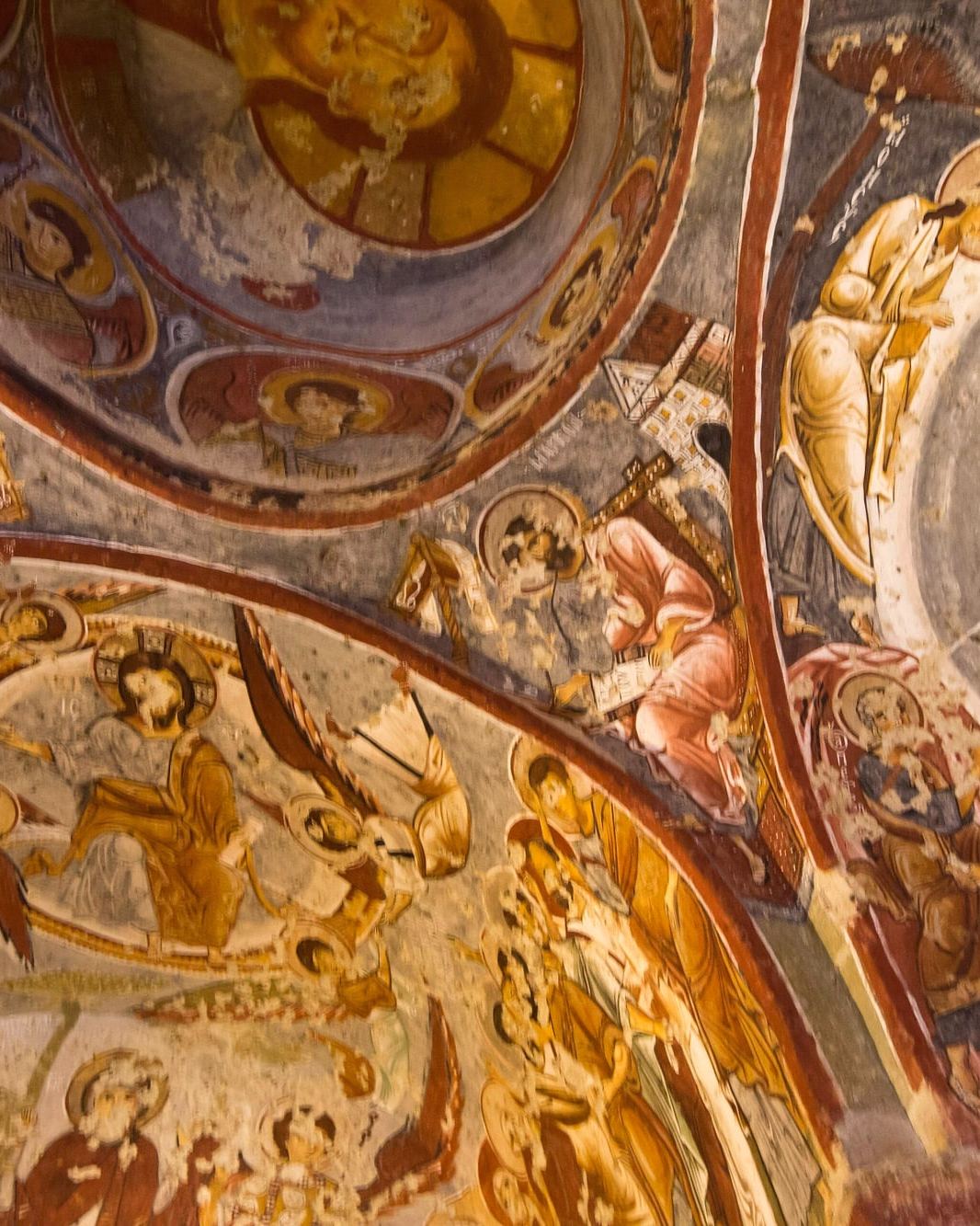
In a painted church, an image occupies a particular surface. Its position above a doorway or across a curved ceiling affects how a visitor encounters it. Cappadocia makes that connection unusually tangible because the room itself was carved from rock.
The interior may reveal far more than its exterior suggests. Entering brings a change from landform to enclosure, then from enclosure to the arrangement of images.
Cappadocia’s rock-cut churches combine carved volcanic-rock interiors with Byzantine religious painting. UNESCO highlights the importance of the Göreme valley’s art after Iconoclasm. The shape of each room, the placement of images and their surviving condition help explain the ensemble. Individual interiors have distinct phases and visiting rules, so a regional description cannot supply every church’s date or access conditions.
A carved room with a religious purpose
The threshold establishes the first architectural contrast. An exterior may disclose little of the enclosed volume, while the interior can suggest the forms of constructed architecture. The paintings occupy that deliberately shaped space.
UNESCO’s historical frame concerns Byzantine art after Iconoclasm. It establishes the importance of the ensemble without assigning one date or painter to every interior. Site interpretation can identify the particular building’s phases, subjects and surviving decoration.
A sequence of images
Begin with the arrangement of the room: which surface draws attention, how a sequence continues around a corner, and how figures are placed in relation to someone standing below. An individual image becomes easier to understand when its neighbours and its architectural position are visible.
Identification then adds detail. Museum interpretation or a knowledgeable guide can explain the subjects and the evidence for readings of damaged scenes. A fragment may support a careful suggestion while leaving part of the original composition unknown.
Fragile surfaces and small spaces
Follow each interior’s photography and lighting rules. Keep hands, bags and equipment clear of painted surfaces, including when steadying yourself for a picture. Several visitors in a confined room can easily crowd the approach to a painting.
Steps, low openings and enclosed passages also affect the choice of visit. Check the route if these present difficulties. A selective group of interiors can provide enough variety to compare the architecture and imagery without hurrying through each room.
Beyond the painted interior
Living in Stone follows the wider range of rooms and settlements cut into Cappadocia’s rock. The churches belong within that inhabited setting, but retain their particular devotional purpose.
Outside, the carved opening may again become a small mark in the valley. What it contains now has a clearer form: an interior made for images, and images made for that interior.
Follow on