Western Türkiye
The AegeanAncient Cities and Living Landscapes
A theatre looks out across a former port; a sanctuary changes the scale of an archaeological day; an olive-oil workshop gives the cultivated landscape a long history. The Aegean offers cultural connections that extend well beyond its standing monuments.
The towns and coast belong in the same journey. Allow their meals, markets and waterfronts a share of the week, then arrange the archaeological visits around the geography of your chosen base.
The place in a paragraph
The Turkish Aegean offers a combination of archaeological sites, living cities, cultivated landscapes and coastal towns. Ephesus and Pergamon are major but geographically separate cultural destinations; Urla offers a different food-and-landscape focus; İzmir and Bodrum have their own city and harbour character. The best base depends on whether your main interest is archaeology, urban life, food or the coast, and the region is too large to treat as one short day-trip cluster.
The second look
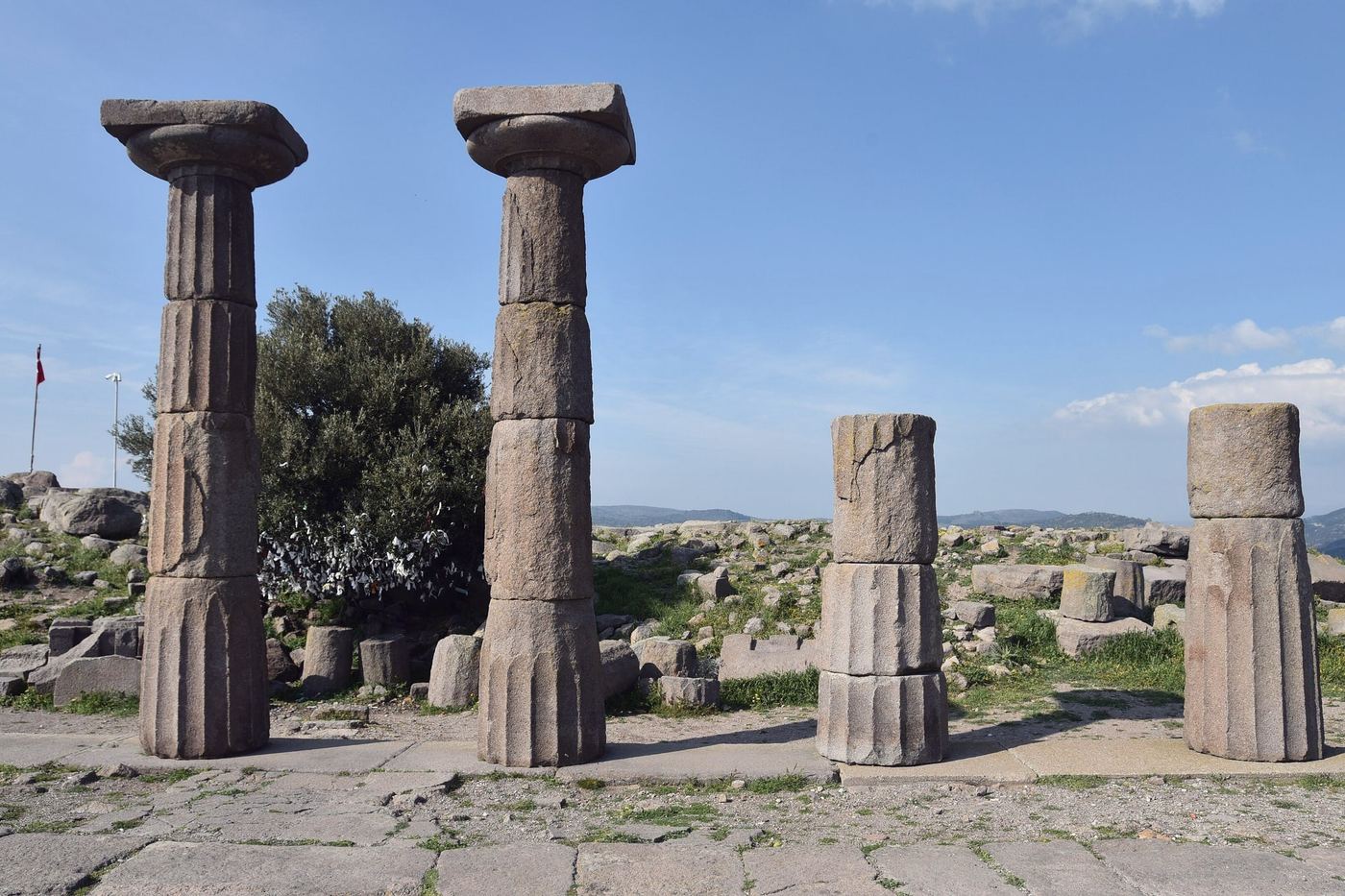
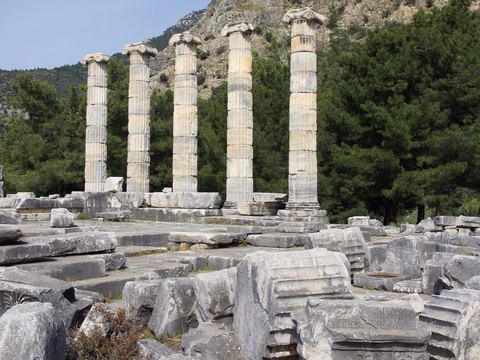
At Assos, the surviving temple columns meet a much wider coastal view. The photograph offers a reminder to look at a site’s setting as well as its individual buildings; an exact architectural history needs site-specific interpretation.
Visit İzmir describes a sixth-century-BCE olive-oil workshop at Klazomenai. It is a precise example of how a familiar agricultural product can open a much older historical question.
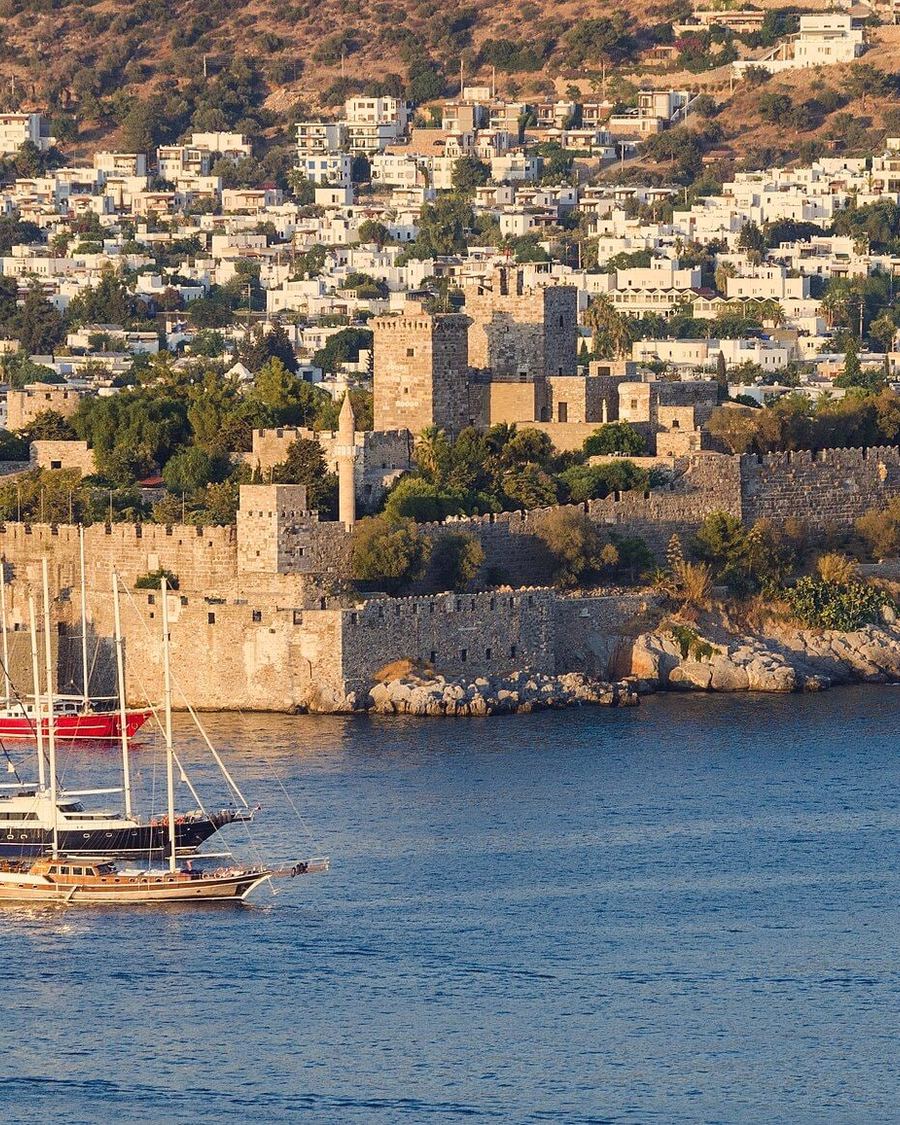
Bodrum Municipality connects the remains of the Mausoleum with stone reused in the later castle. The relationship between two monuments is as interesting as either one alone.
Planning
What kind of journey fits here.
- How long
- Three nights can support a focused stay around Ephesus. A week allows a broader archaeological route with room for another kind of afternoon. These are pacing suggestions; your arrival, base and interests determine what fits.
- Suits
- Readers of history, people who care about food, and travellers who would like culture and a sea to swim in within the same day.
- Where to base yourself
- Selçuk for a stay centred on Ephesus; İzmir for a city base and several regional directions; Urla for a food-focused peninsula stay; Bodrum when the harbour and coast come first.
- The trade-off
- The major sites are dispersed. Plan northern, southern and inland days separately, and allow for exposed outdoor visits in summer. A change of base can reduce repeated road journeys.
- When to come
- Compare late spring and early autumn for an archaeology-led route. A swimming-focused stay needs its own weather and sea-condition check. Confirm forecasts and seasonal services for your dates.
Ways in
Where to begin.
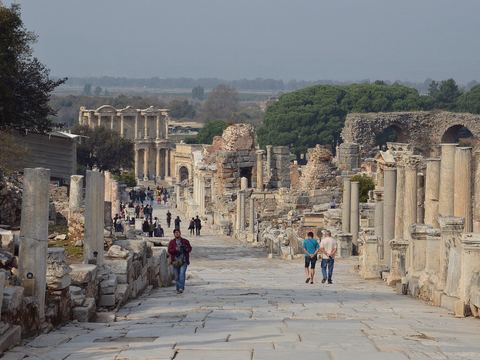
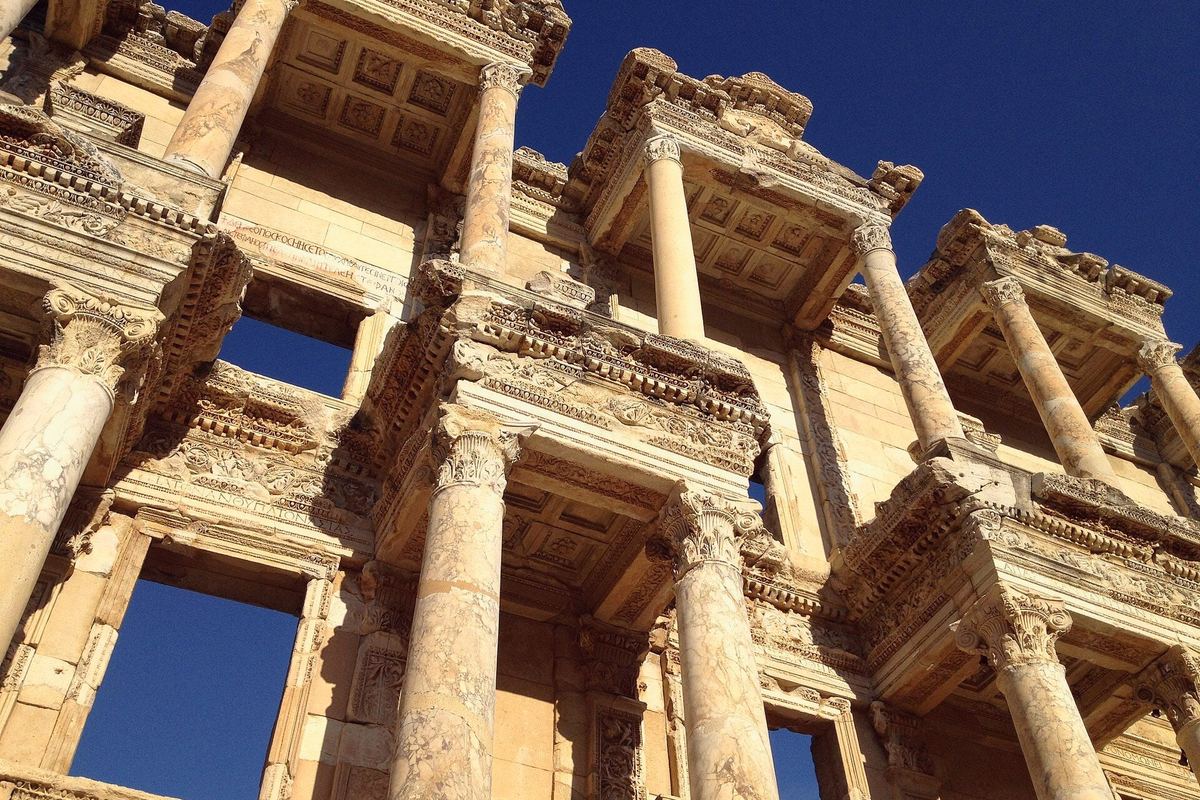
- 01EphesusA Roman port city whose position changed with its coast. Give the landscape and the domestic interiors time as well as the famous façade.
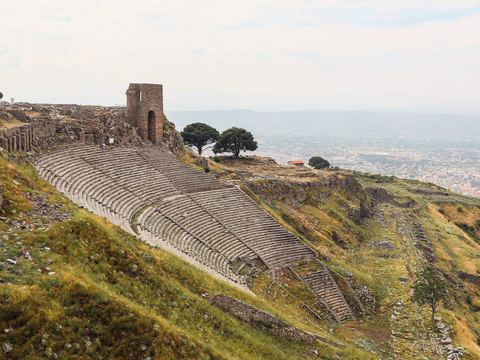
- 02PergamonA royal acropolis above Bergama and a healing sanctuary below: a different relationship between power and terrain from Ephesus.
- 03Urla and the wine roadThe agricultural peninsula west of İzmir connects Klazomenai with a contemporary interest in food and wine. Specific visits need direct confirmation.
- 04Priene, Miletus and DidymaA hillside town, a civic landscape and an Apollo sanctuary: compare three different archaeological subjects and decide how much the day should contain.
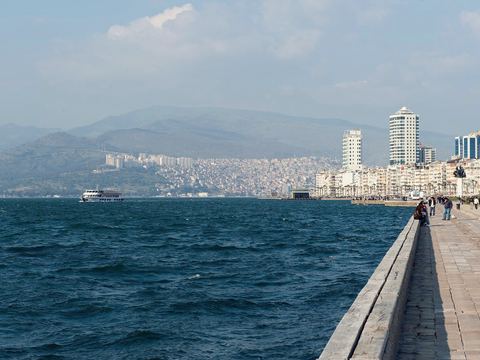
- 05İzmirA working city, with the Kordon waterfront and Kemeraltı, that deserves attention beyond airport logistics.
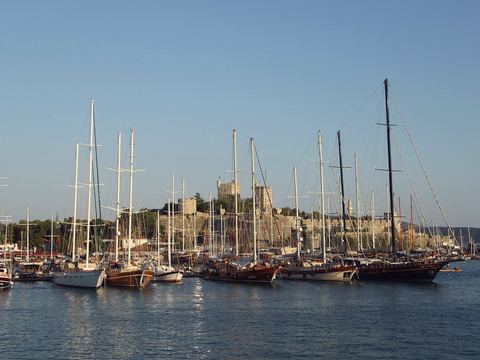
- 06BodrumCastle and harbour first. The ancient Mausoleum site is modest, and the peninsula's bays suit those staying a while.
Choose a base for the week
The linked guides to Ephesus, Pergamon and Urla introduce three distinct subjects: a Roman port city, a royal hillside and a cultivated peninsula. Read for the interests that would shape your days.
Choose a base for the visits that matter most. Then draw the actual road sequence and look for repeated journeys. Moving accommodation can cost part of a day, but so can crossing the same ground several mornings in succession. A good route makes that trade-off consciously.
The coast does not stay in one place
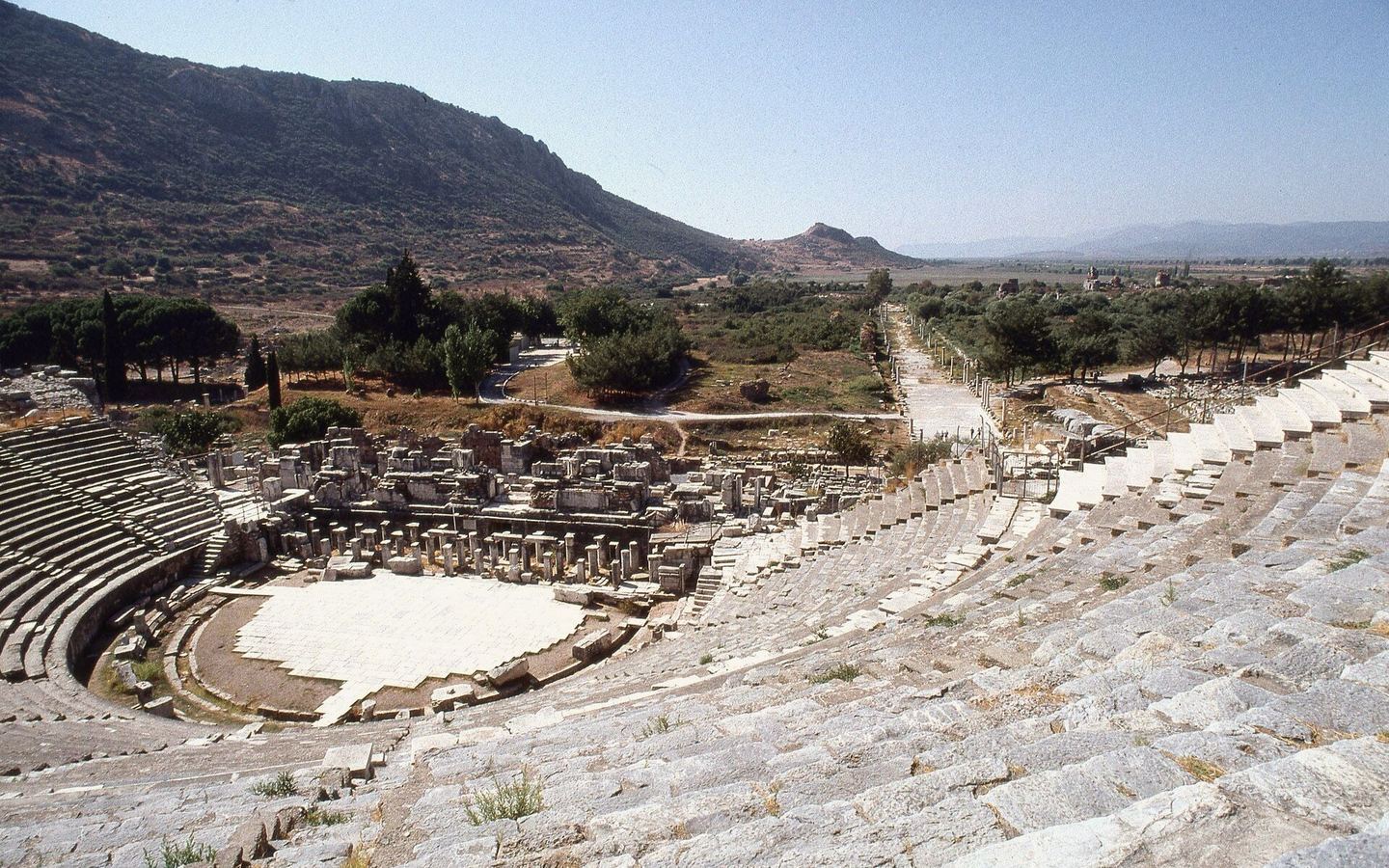
UNESCO describes Ephesus through successive settlements following a retreating coastline. That observation changes the way the surrounding plain is seen: what looks like background has helped shape the city’s history. Use that example to ask a site-specific question at the next place. Ask what the terrain made possible and what changed over time.
At Priene, Miletus and Didyma, the distinction between town, civic landscape and sanctuary gives another structure to a day. Aphrodisias offers a further inland subject through sculpture and marble. Select among them by subject and by the time each requires.
Let the table change the pace
A full archaeological morning can be followed by an afternoon that has another purpose. A market, a meal or time near the water allows the sites to remain distinct. It also gives the present landscape its share of the journey. The Aegean table follows ingredients and human movement through evidence of cultivation, knowledge and migration.
For a peninsula stay, compare Çeşme and Alaçatı with Urla. For a harbour and wider coastal holiday, consider Bodrum. Each asks for different days; none is improved by treating the whole west coast as a single resort.
Inland routes
Sardis and Pamukkale-Hierapolis can deepen a longer journey, but their inclusion needs an actual transport plan. A large national map can make inland distances look deceptively modest. If the day becomes mostly road, an overnight stop or a later trip can be the better answer.
For detailed local logistics, EphesusTour (opens in a new tab) and IzmirTour (opens in a new tab) have focused roles. Use them alongside the regional comparison. Our Classical Aegean journey is an illustrative route through some of them, with enough room for more than one way to spend a day.
Deep reading