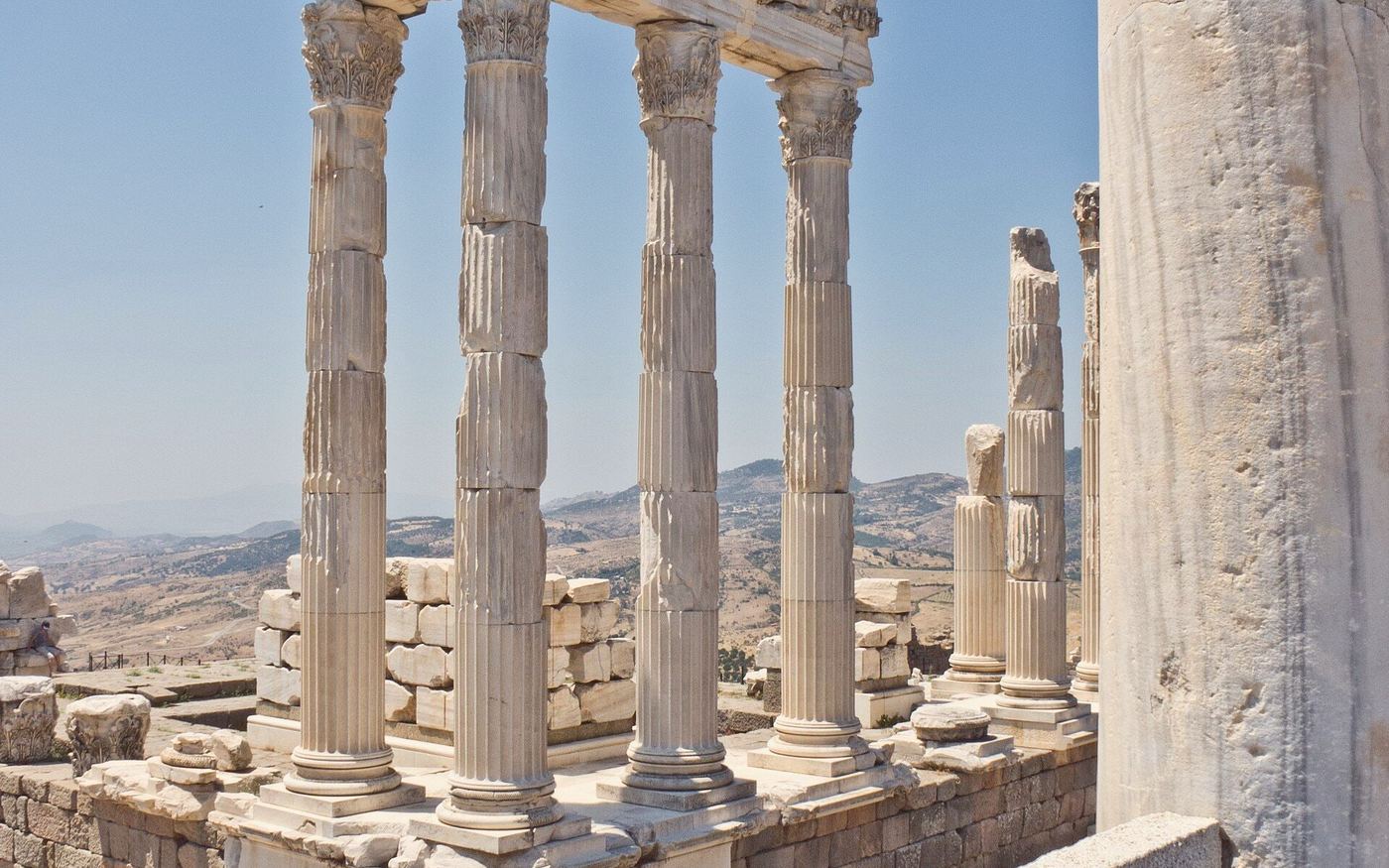
Bergama, İzmir Province
Pergamon: A City Above and a Sanctuary Below
On the Acropolis, buildings negotiate a steep hillside. At the Asklepion below, the subject turns from royal power to healing.
- Region
- The Aegean
- Also known as
- Bergama, Pergamum
- Position
- 39.13° N 27.18° E
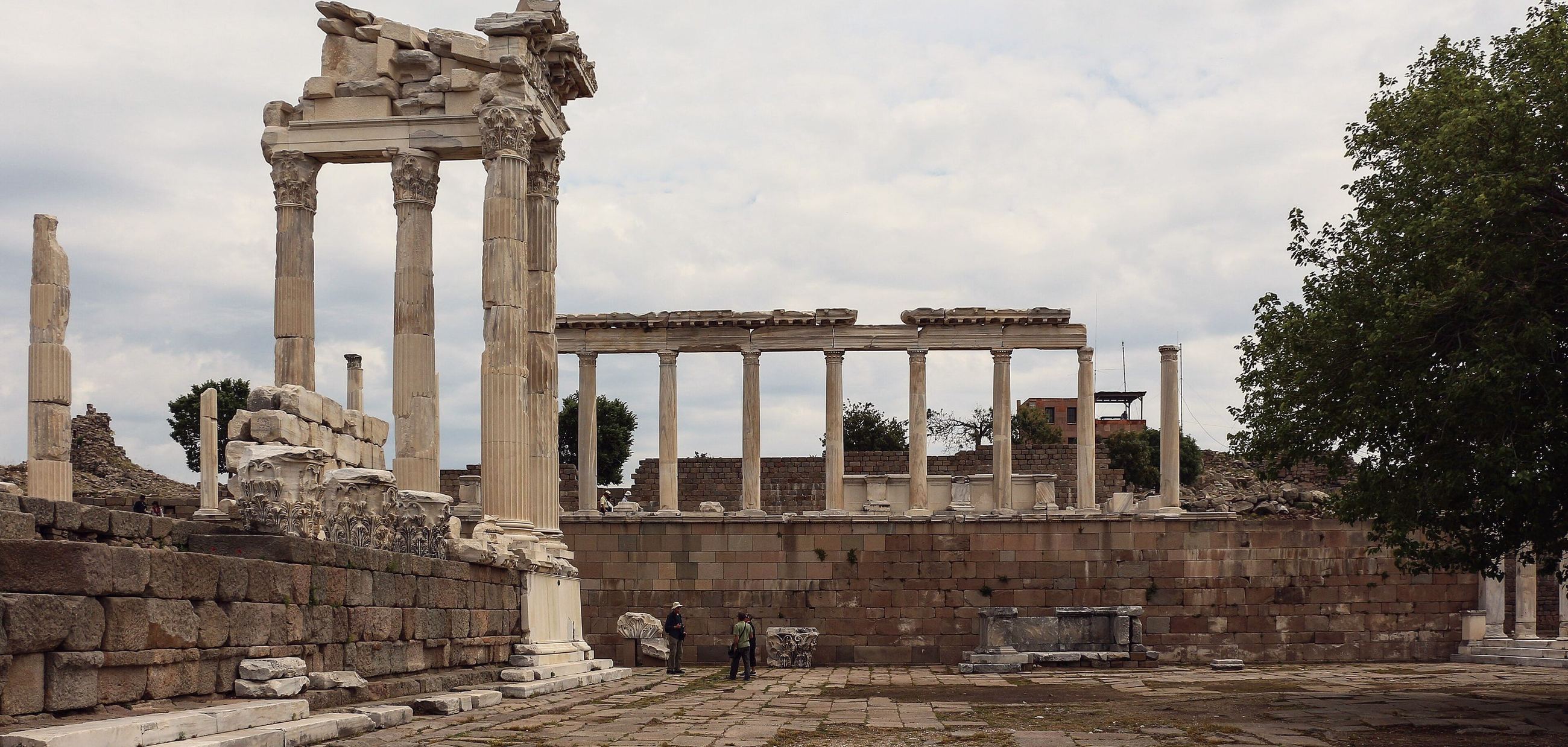
Pergamon's hilltop acropolis illustrates the ambition of an important Hellenistic capital, while the Asklepion below introduces the history of healing and sacred practice in another part of the urban landscape. Their relationship is central to the visit. Pergamon offers a different experience from Ephesus's long monumental streets; allow time for both the upper and lower areas and check current access.
A theatre set into a steep hillside makes the terrain part of the performance. Pergamon’s upper city uses terraces and monumental spaces to give its buildings a commanding position above the plain.
Descending towards the Asklepion changes the historical subject as well as the height. The two areas invite separate attention, with modern Bergama placing them in a wider inhabited landscape.
Read the city vertically
UNESCO identifies the acropolis with the Hellenistic Attalid capital and its role as a centre of learning. Think about how a city presents authority when level ground is limited. The relationship between buildings and terraces can be more revealing than a list of their dimensions. Let the landscape do some of the explanation.
Separate survival from reconstruction
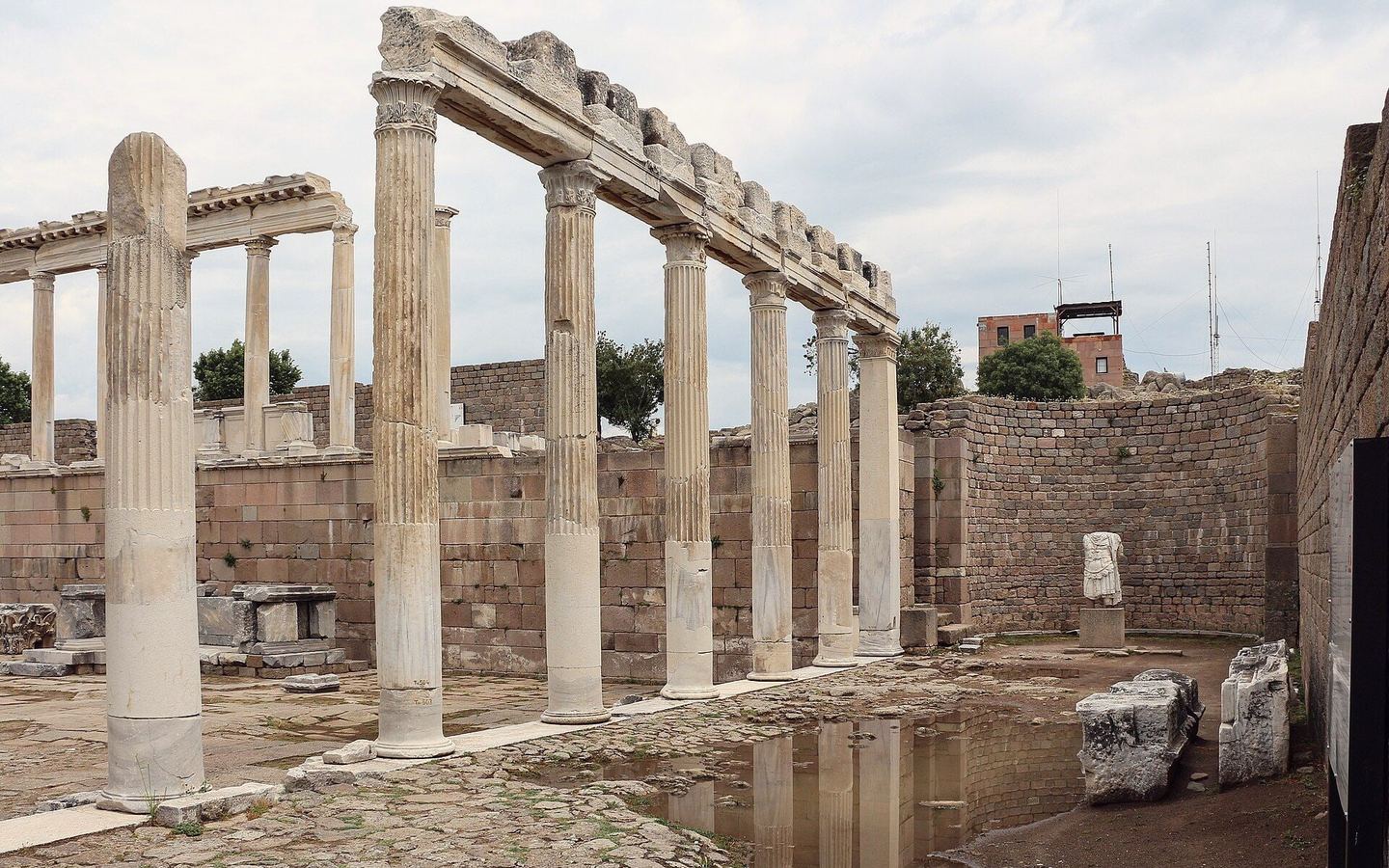
An archaeological view contains different kinds of evidence: standing remains, re-erected elements and spaces where a monument is absent. Ask the interpretation to distinguish them. A display of sculpture elsewhere and its original architectural setting on the hill offer different encounters.
The library invites questions about learning and patronage; the sanctuary prompts others about sacred practice. Interpretation is strongest when it shows how the surviving evidence supports those accounts.
Why the healing centre matters
The Asclepieion is the strongest reason to make this a day with two distinct parts. UNESCO’s record identifies it as a celebrated healing centre of the Roman city. It belongs to a world in which sacred practice, place and care were related in ways that cannot simply be translated into a modern clinic.
For accounts of treatment, distinguish ancient testimony, archaeological interpretation and modern retelling. The passage and other surviving features can anchor that discussion, with specific claims about cures or hidden voices requiring evidence of their own.
Give the lower area time to establish another atmosphere and another purpose. If the upper city has been physically demanding, allow a rest rather than rushing through the sanctuary because the most dramatic view is already behind you.
Ephesus or Pergamon?
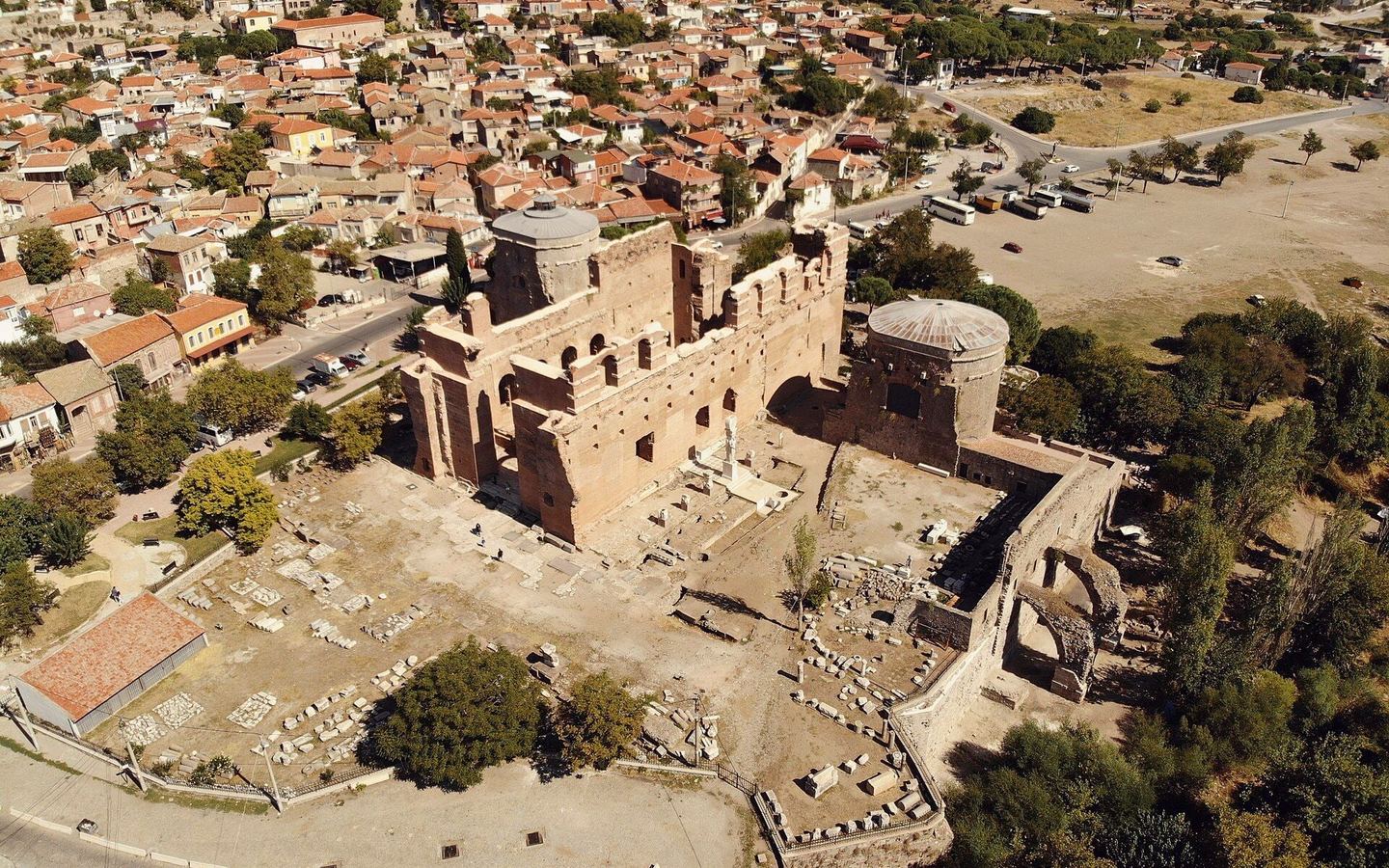
Choose Ephesus if the first priority is a sustained walk through a Roman city’s streets and domestic evidence. Choose Pergamon if terrain, royal ambition and the relationship with a healing sanctuary are the subjects that draw you. If both matter, give them separate days and choose bases accordingly.
İzmir can provide a northern-Aegean city base; Sardis offers another inland historical direction. Give each chosen visit its own day and assess the road journeys from your base.
Close up
Details to look for.
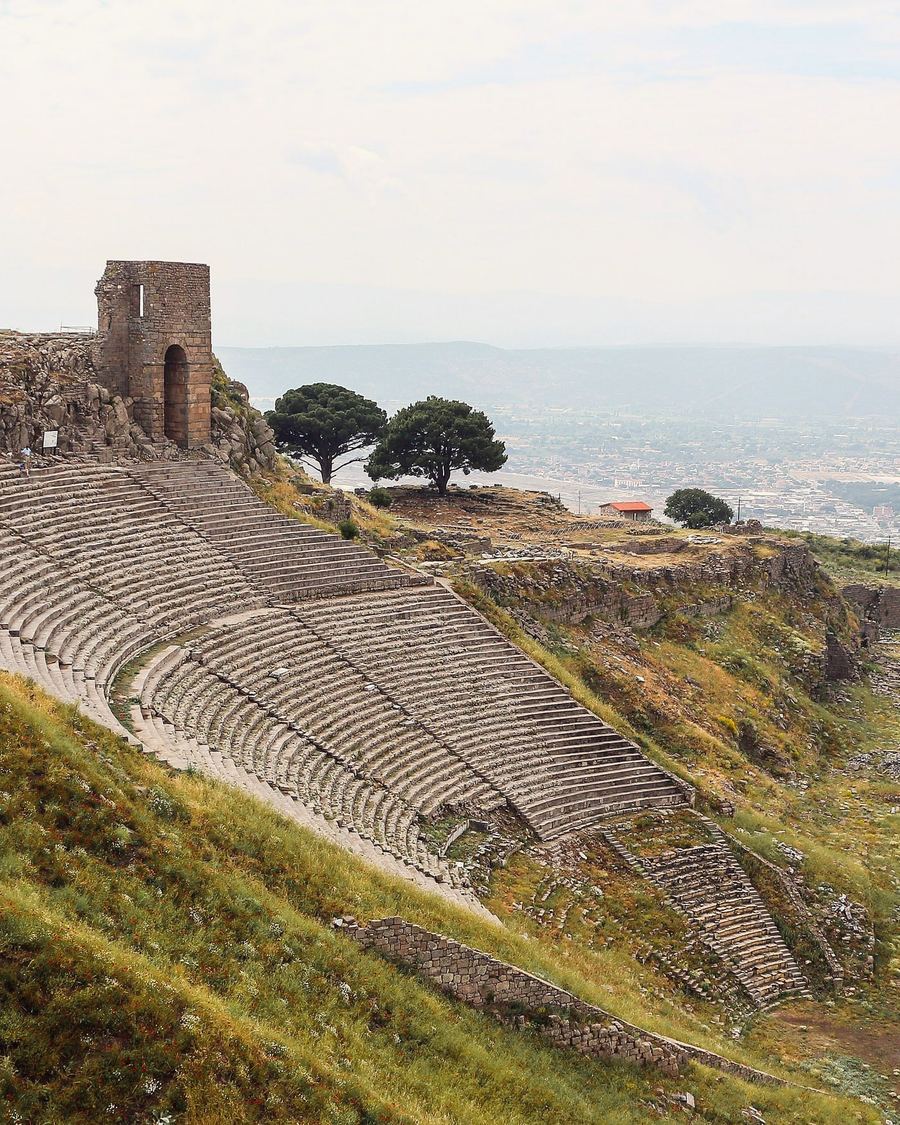
The theatre’s position connects performance with the wider landscape. Notice how the building uses the steep terrain and how it relates to the terraces above.
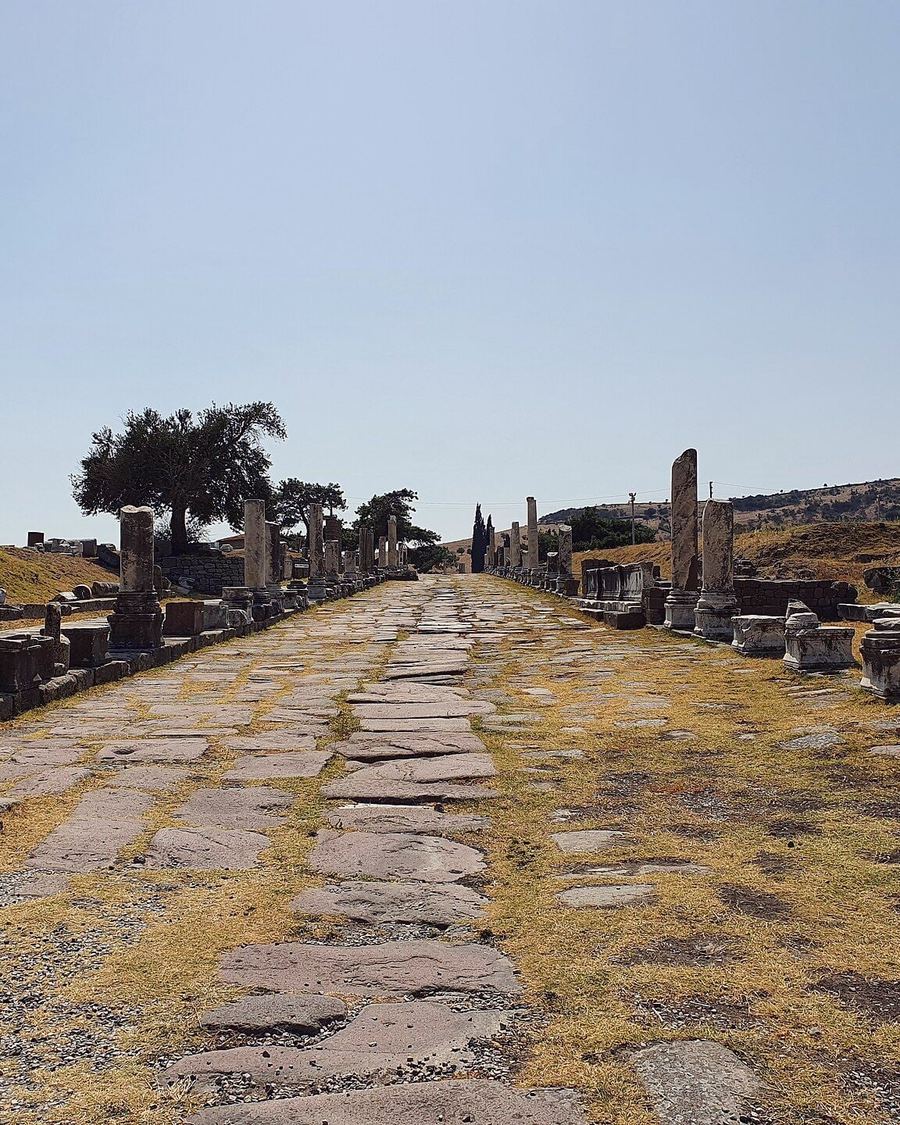
The Asclepieion belongs to the city’s later history as a healing centre. Its sacred and therapeutic roles belong together; interpretation can explain the evidence for individual practices.
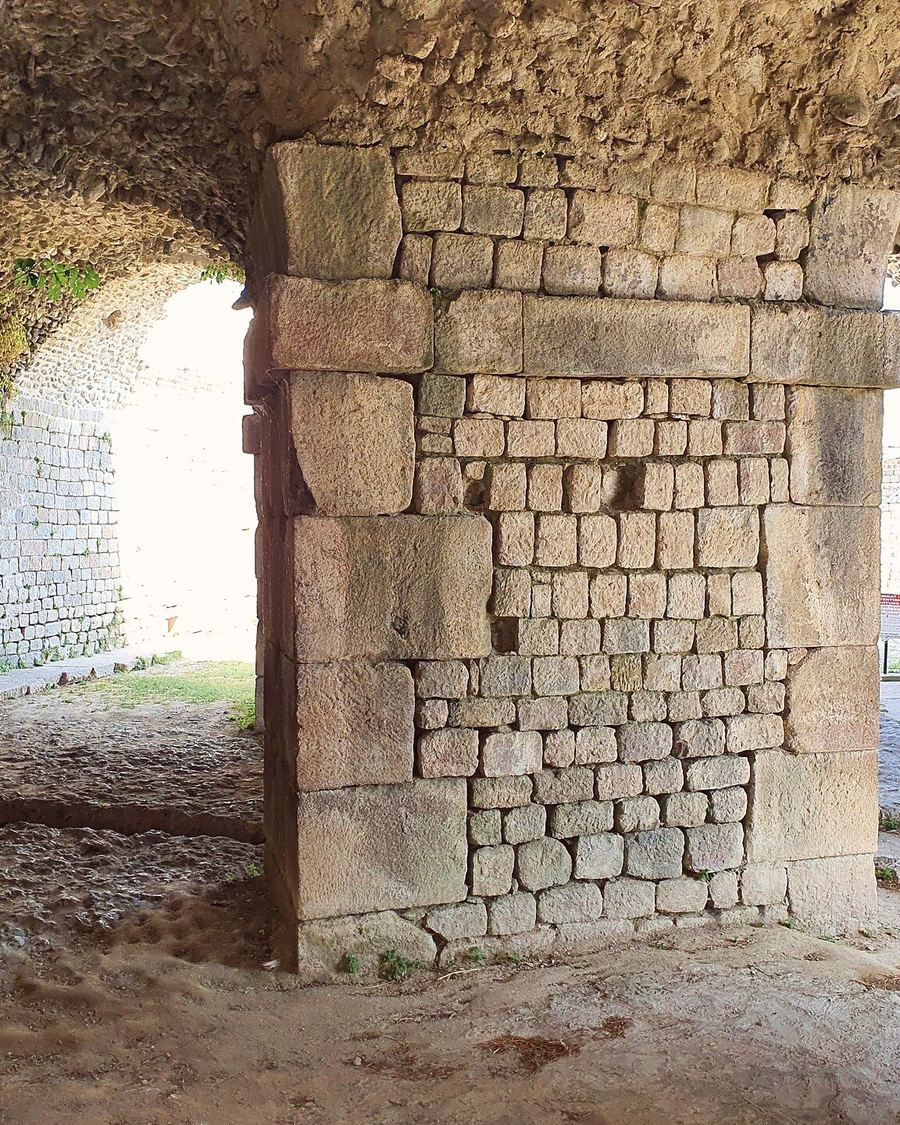
The surviving passage changes the scale and atmosphere of the sanctuary. Use site interpretation to understand its role, distinguishing the structure itself from stories about treatments.
Getting there, and when
Plan a separate day from your actual northern-Aegean base. Confirm the current route to the acropolis, any cable-car operation and admission arrangements locally. Steep and exposed ground affects the visit; request a specific mobility plan rather than a general assurance that the site is accessible.
Keep reading