Food & Culture
The Many Lives of the Aegean Table
An olive workshop, the knowledge of wild greens and the memories of displaced households offer three paths into the food of the Aegean.
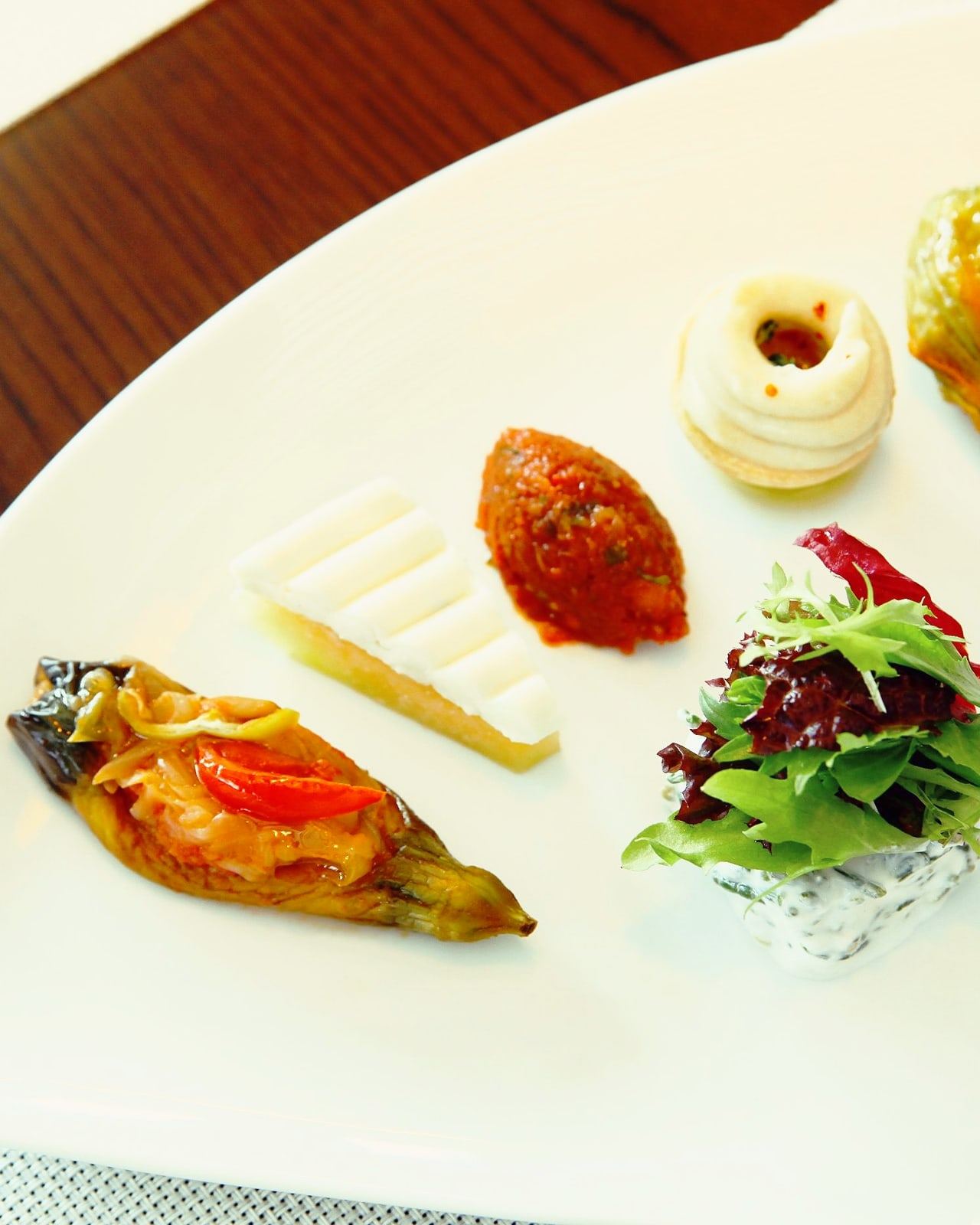
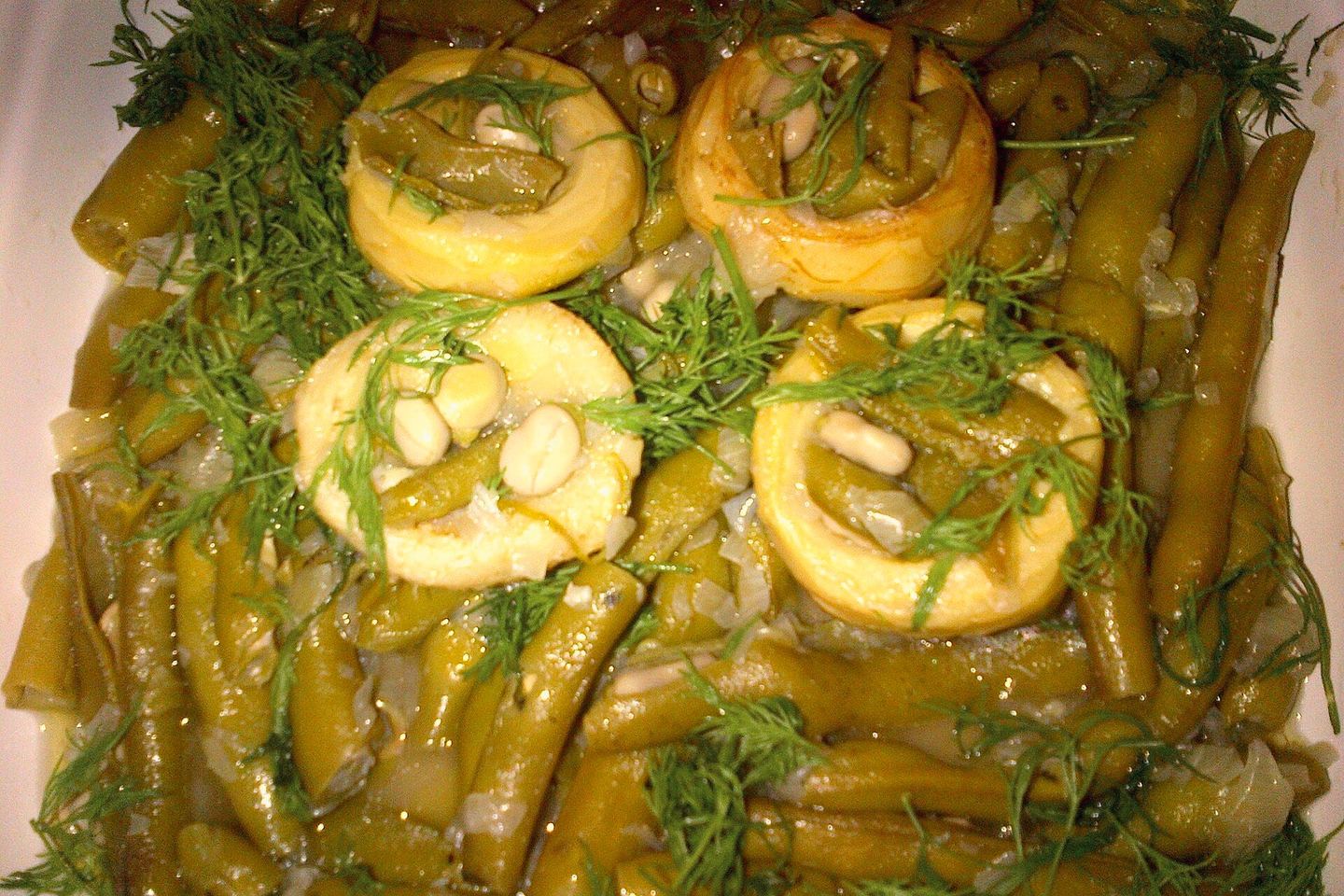
A plate of vegetables dressed in olive oil can lead in several directions. One begins in a cultivated grove, another with the knowledge needed to recognise a green, and another with a household’s memory of how a dish was made.
Those directions do not resolve into one uninterrupted culinary history. They bring different forms of evidence to the table: an archaeological installation, a field report and the objects carried through displacement.
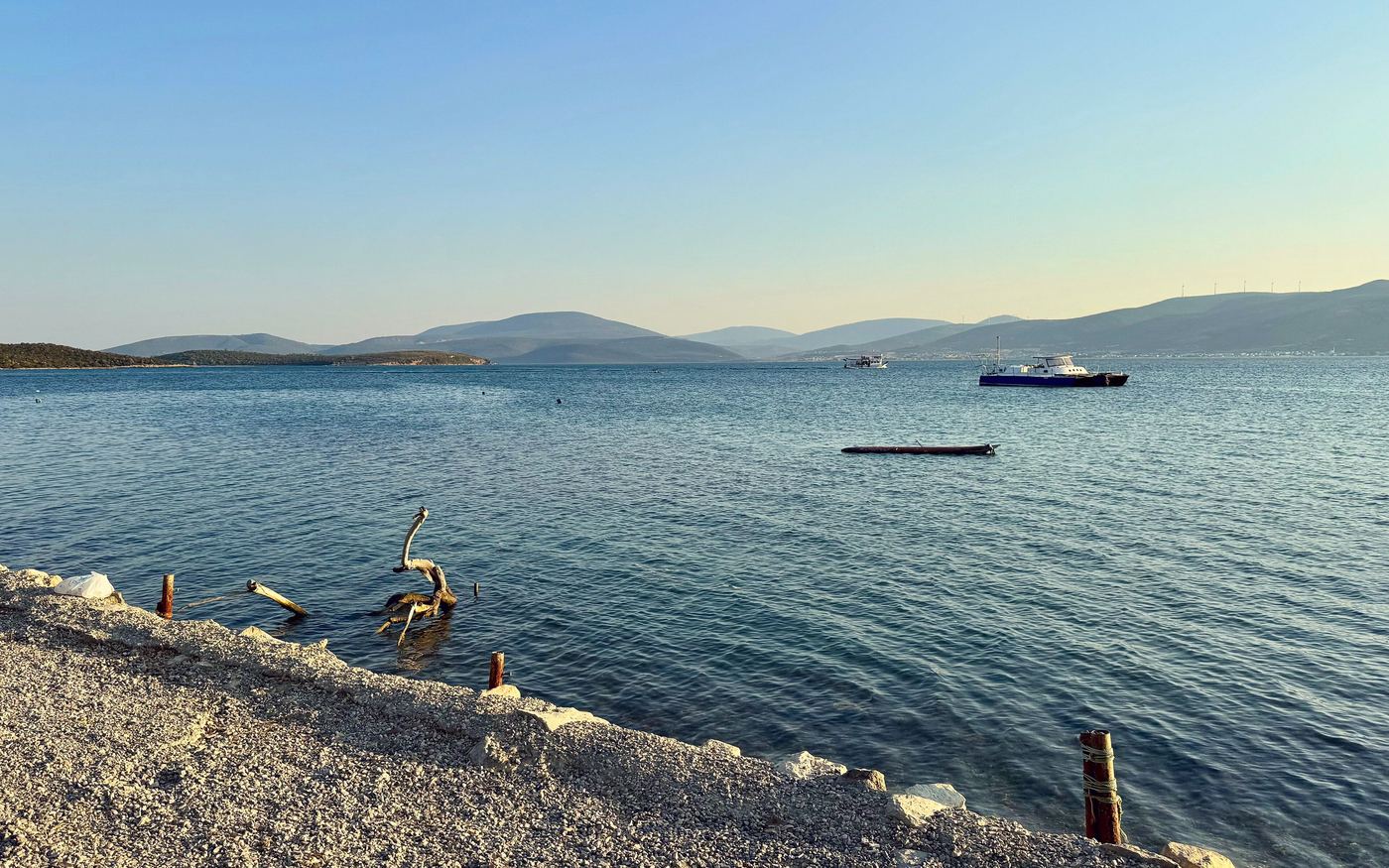
Olive oil, vegetables and seasonal greens are important starting points for understanding Türkiye’s Aegean food culture. Evidence from Klazomenai documents ancient olive processing; research around Alaçatı connects edible plants with local knowledge and conservation. Histories of forced migration add another dimension. These sources illuminate the region’s foodways without proving an exclusive origin for individual dishes.
Olive oil as a material history
At Klazomenai, near Urla, the municipal tourism account identifies a sixth-century-BCE olive-oil workshop. The installation gives cultivation and processing a tangible place in the region’s ancient history. It also offers a useful starting point for a contemporary visit: the ingredient has a history before it reaches a kitchen.
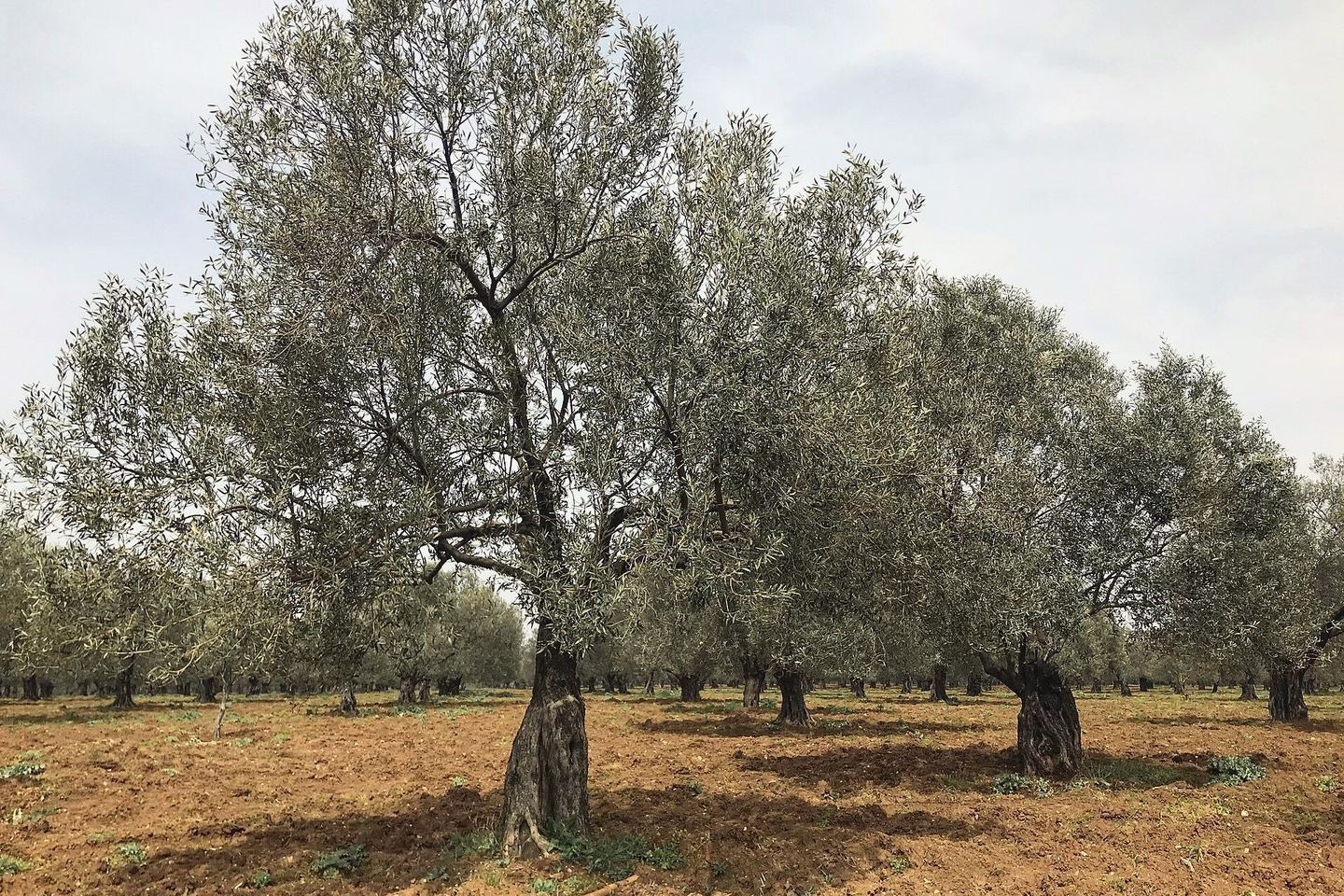
The ancient workshop and today’s meal belong to different economic and social settings. Their connection is worth exploring through both continuity and change. At the table, one ingredient can make the conversation specific: whether it was cultivated or gathered, served in season or preserved.
The knowledge behind a plate of greens
Teresa Borelli’s 2015 report for the Alliance of Bioversity International and CIAT discusses the Alaçatı Herb Festival through wild edible plants and the food cultures around them. It connects knowledge of plants with conservation, describing pressures on both the species and the ability to identify and use them.
The report’s subject extends beyond a festival programme. A dish depends on practical knowledge: recognition, preparation and the understanding of what can be gathered responsibly. Visitors should leave unfamiliar plants alone; enjoying a meal does not equip someone to forage safely or sustainably.
Household memories and forced movement
Sean Swanick’s account for Duke University Libraries places İzmir within the compulsory population exchange of 1923. At the Buca memory house, he describes trunks, documents and photographs associated with families forced to leave Greece, including Crete, and settle in İzmir Province.
These objects give human weight to the history of movement around the Aegean. Families carried knowledge and memories through a rupture in their lives. Culinary influence belongs within that difficult history, not a romantic account of effortless cultural exchange.
The material does not establish a migration route for every recipe. It explains why a simple story of national ownership leaves so much out.
Following an ingredient today
A market is a place of work as well as interest for a visitor. Make purchases you want, ask permission before photographing people and let a conversation follow the time available. A stallholder’s account may be practical knowledge, family memory or a lead for further reading; each has a different value.
Urla offers a food-focused direction for a stay, while Çeşme and Alaçatı connect town life with the coast. The grove, the knowledge of a plant and the memory carried by a household are three ways into the same broad subject. A meal can bring them together without making their histories identical.
Follow on