Architecture
From Tile to City: How to Look at Ottoman Colour
A tulip can be a painted detail on a dish or part of a wall of colour. İznik ceramics connect the intimacy of an object with the scale of architecture.
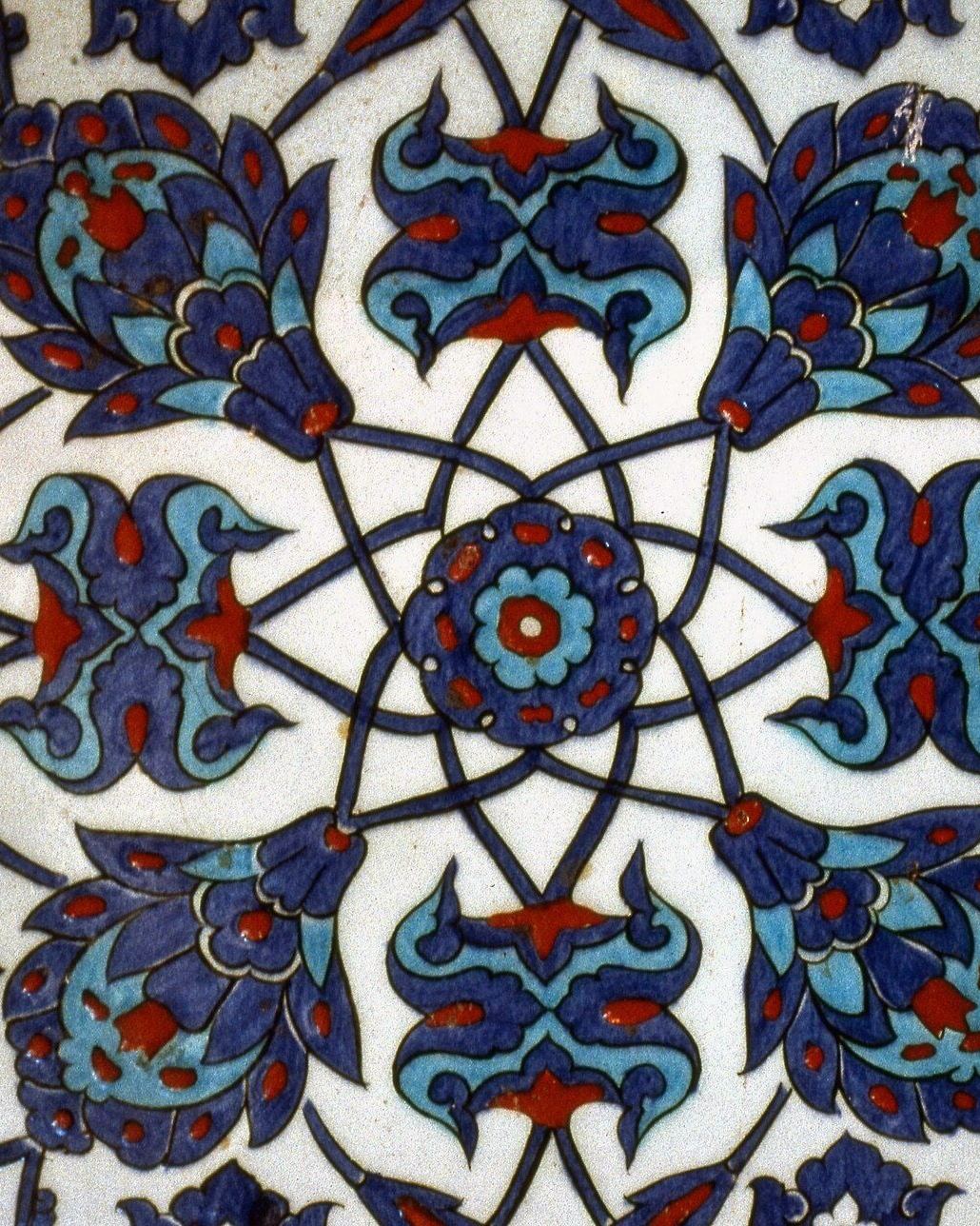
A flower on a tile is easy to recognise; its work within a pattern takes longer to follow. A stem turns towards a border, a leaf fills an interval and a repeated shape carries the eye across the wall. Decoration becomes an arrangement of space.
A museum dish offers the same pleasure within reach of a single glance. Comparing the two settings reveals how Ottoman artists adapted a shared vocabulary to objects, rooms and buildings.
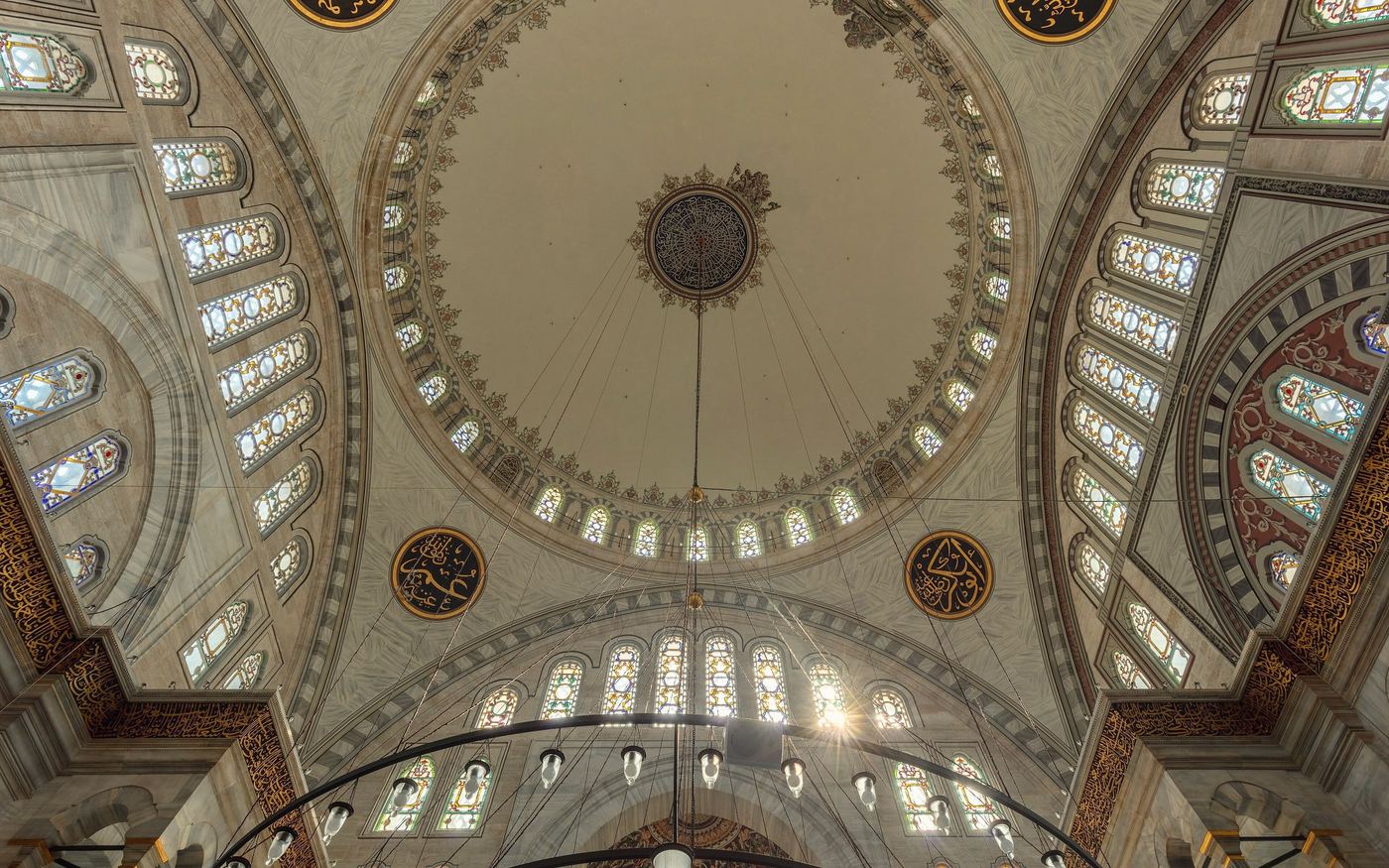
İznik ceramics belong to an Ottoman design vocabulary that includes tulips, carnations, roses and hyacinths. Museum examples connect floral designs on vessels with architectural tiles and other media. Rüstem Pasha Mosque offers an Istanbul setting for seeing that vocabulary across a room. Individual motifs need their historical context; a flower has no universal translation independent of the object or building.
Flowers across the Ottoman arts
The Walters Art Museum’s plate with tulips introduces the floral repertoire through one object. Its account identifies flowers that also appear elsewhere in Ottoman art. A dish dated 1570–80 in the Aga Khan Museum places similar designs within the work of the Ottoman court’s design workshop and their use across textiles, carpets, books and tiles.
The connection is a practice of composition as well as a collection of recognisable flowers. A motif can frame an edge, guide the eye or repeat across a larger field. Its position matters to the effect of the whole.
Two distances from a tiled wall
At Rüstem Pasha Mosque, a visitor can move between the individual painted line and the expanse of the interior. Nearby, the edges of leaves and the meeting of colours attract attention. From farther away, borders and repetitions organise the surface. Our Istanbul architecture essay places that experience alongside buildings with very different spatial ambitions.
The mosque’s religious use governs the visit. Follow the visiting arrangements and keep prayer spaces clear; there is no need to interrupt worship to appreciate the work.
Historical objects and contemporary work
A museum label identifies a particular object’s date and attribution. In a shop, the word İznik may describe a contemporary ceramic inspired by that tradition. Knowing who made the piece, where and from what material is a useful beginning to understanding it. Any claim of age or provenance needs its own documentation.
Contemporary work can be enjoyed for its design and craftsmanship. An appealing object does not acquire its value solely from resemblance to something old.
When the material changes
A woven textile brings a different structure to colour and pattern. A line made through weaving and one drawn beneath a glaze answer different material possibilities, even when they belong to related artistic traditions.
That comparison leads back to the city. A dish contains its design within a rim; an architectural surface surrounds the person looking at it. The flower remains recognisable, but its setting changes the encounter.
Follow on