Aegean and archaeology
The Ancient Aegean: Ephesus, Pergamon and the Ionian Cities
The short answer
Choose Ephesus for a Roman city and its former harbour landscape; Pergamon for a hilltop capital, the Asklepion and later Bergama. Priene, Miletus and Didyma compare a hillside city, civic architecture and a monumental sanctuary. Your base and walking preferences shape the route. Pamukkale and Aphrodisias are inland choices that deserve their own itinerary decisions.
A temple, theatre or street is easier to understand when you can place it within the city that used it. Western Türkiye offers several ways to make those connections: through a former harbour, across a steep urban hillside or between civic buildings and a sanctuary.
This guide helps select the archaeological days in a regional stay. Begin with the subjects that interest you and your base, then decide how much walking and road travel the week can comfortably hold.
Choose by the question a place raises
| Site or group | A reason to choose it | What to plan separately |
|---|---|---|
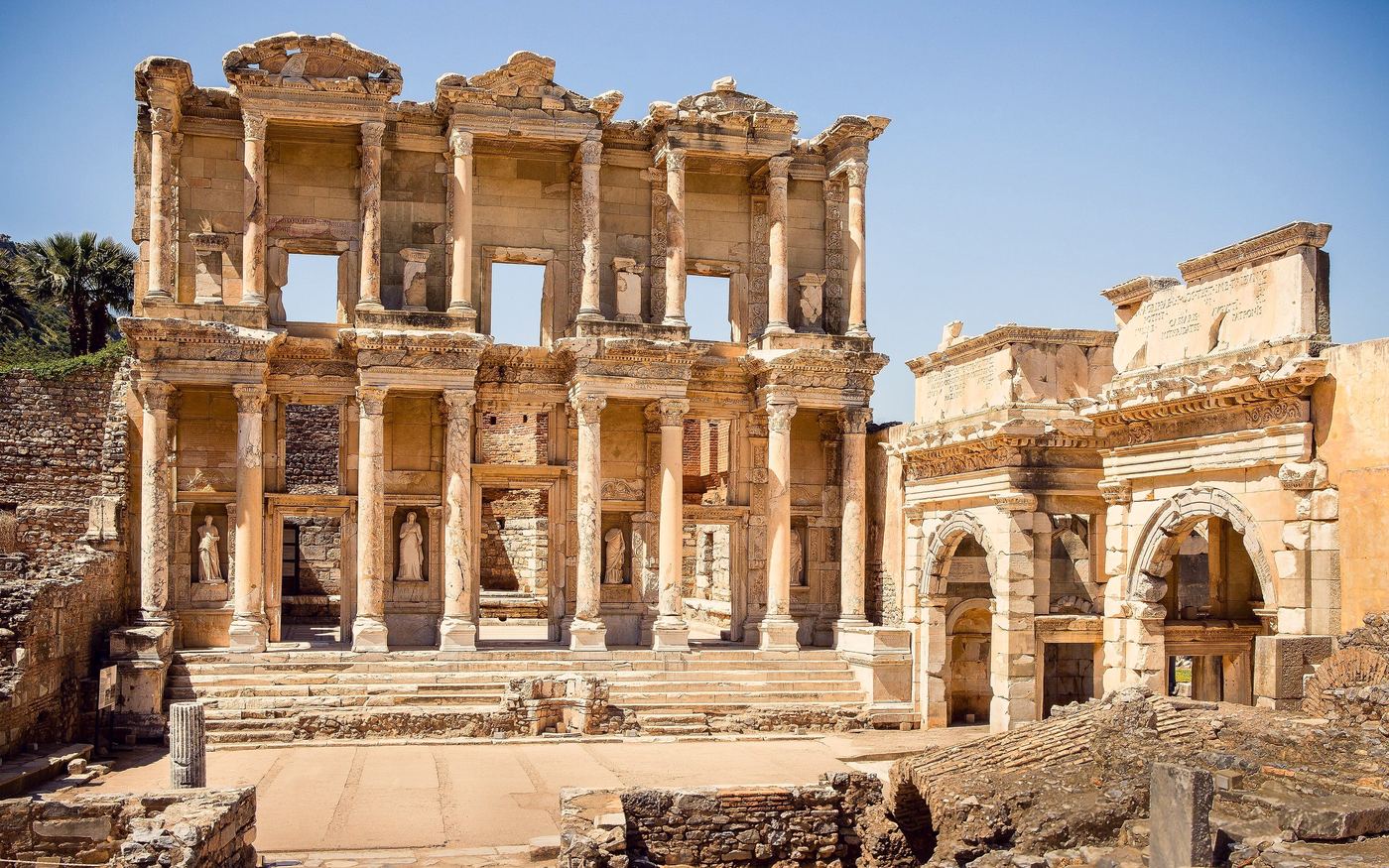
| Ephesus | A Roman city and its former harbour landscape | The current walking route and any optional interior |
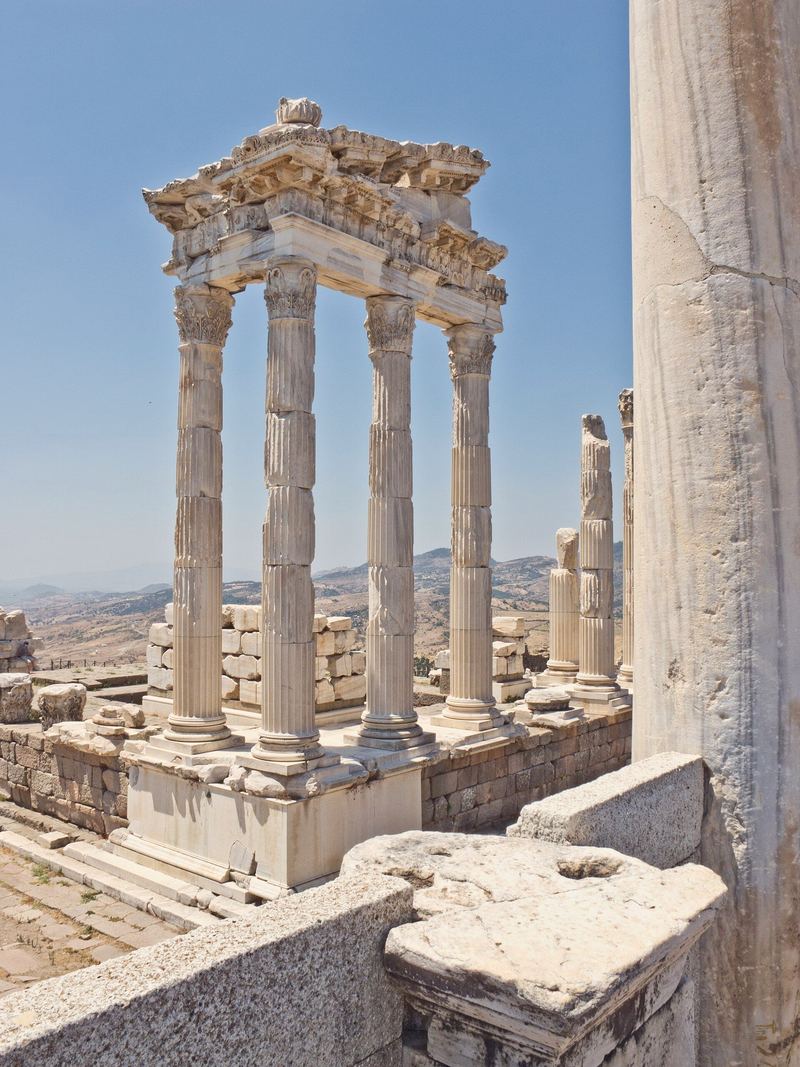
| Pergamon | A hilltop capital, the Asklepion and the town below | Road time, varied surfaces and separate parts of the landscape |
| Priene, Miletus and Didyma | A hillside city, theatre and monumental temple in contrast | A substantial regional day and the group’s energy |
| Pamukkale or Aphrodisias | An inland cultural focus beyond this coastal comparison | Whether an overnight or a different route serves it better |
If this sounds like you
- One main archaeological day
- Choose the place that interests you most and is realistically served from your base. For many first visitors, that is Ephesus.
- You have visited Ephesus
- Compare the different questions raised by Pergamon and the Ionian sites rather than looking for a smaller duplicate.
- You are based in İzmir
- Treat northern and southern archaeological visits as separate days unless the route genuinely moves between bases.
- You are on a cruise call
- Use the port-specific guides and have the operator assess the actual call, rather than applying a land-trip schedule.
Ephesus and Pergamon: two urban landscapes
Ephesus’s relationship with the sea changed over centuries. The surviving Roman monuments belong to that larger port-city story. Pergamon uses steep ground to express the ambition of a capital, while the Asklepion and later settlement add other kinds of urban life below it. UNESCO’s accounts introduce both landscapes and the relationships that make them significant.
If you have one archaeological day, choose the subject and location that fit your stay. Ephesus is a strong introduction for many first visitors; Pergamon offers a different encounter for those drawn to its hillside setting and sanctuary. Current visitor arrangements come from the responsible site authority, separately from those historical descriptions.
Priene, Miletus and Didyma
Priene’s hillside city and Athena temple, the theatre at Miletus and the Apollo temple at Didyma form a focused southern-Aegean comparison. Caicos’s published private day links the three from Kuşadası or Selçuk. The programme demonstrates a relevant route; your party’s energy determines whether all three belong in your day.
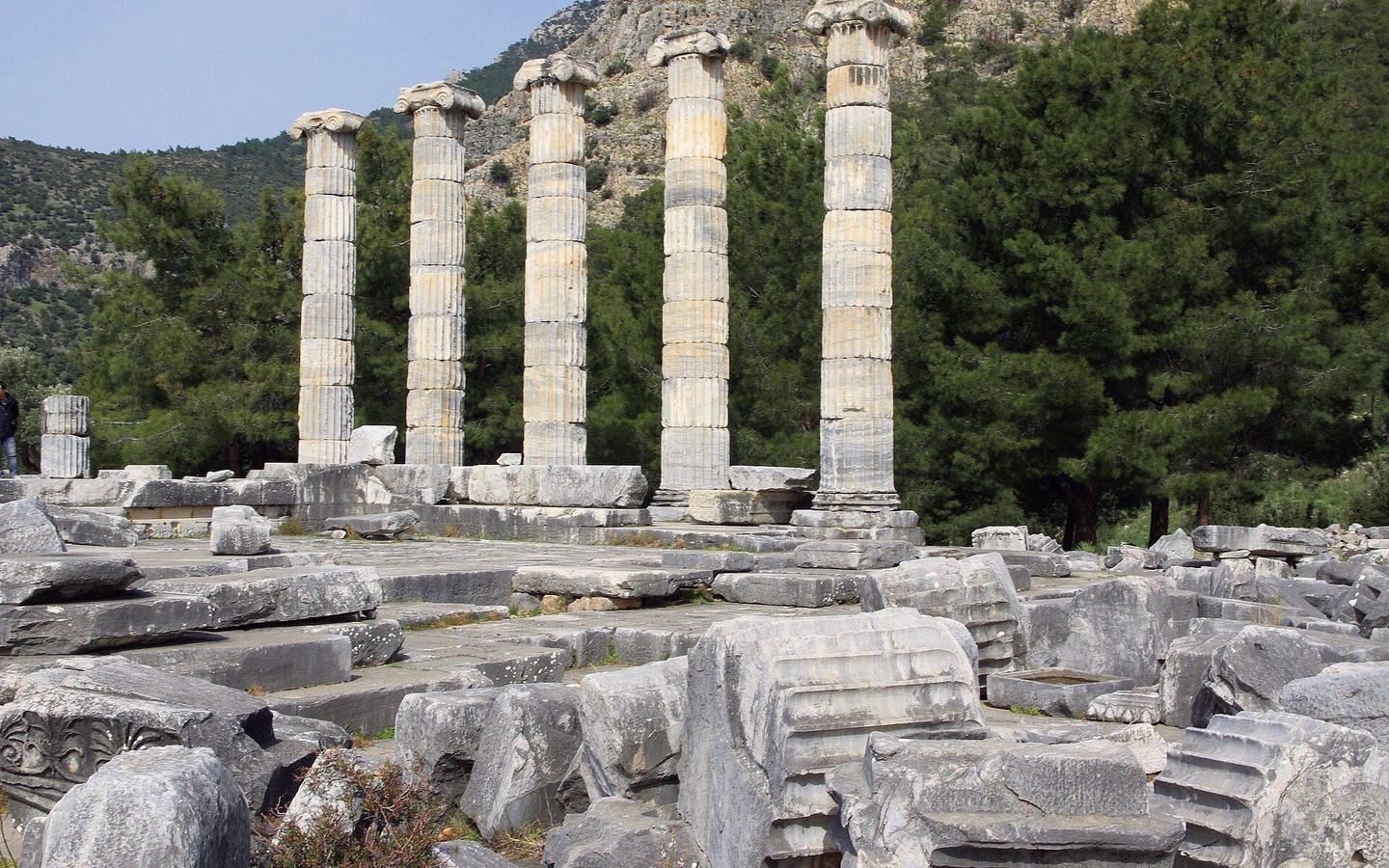
Priene’s uphill stone paths deserve particular attention when assessing the walking. Discuss the route and seasonal conditions with the provider. A two-site version may give you more time with the architecture and a more comfortable day.
Arrange the week geographically
From a single base, select distant visits with their road demand in mind. Moving between northern and southern bases can reduce repeated journeys, though the transfer still occupies part of the day. Our seven-day classical route separates those areas, accounts for each night and keeps a slower day within the week.
Pamukkale and Aphrodisias take the itinerary inland. If one is a priority, compare an overnight or a revised route that serves it properly. Adding it means deciding what to omit elsewhere; the useful measure is the balance of travelling and looking across the whole day.
Give the visit a subject
Urban life, sacred space, healing, architecture and landscape change each provide a thread through these sites. Tell a guide which interests you, and discuss how surviving evidence supports the account. The heritage travel page develops that approach.
Time in today’s towns gives those archaeological days another context. Alternate concentrated visits with meals, waterfront walks or a morning close to your base. The regional trip then has room for both ancient remains and the places people inhabit now.
Our judgment
Choose fewer sites and make the contrasts clear. A place that answers a question you care about will repay the time more than another name added to the route.
Related decisions