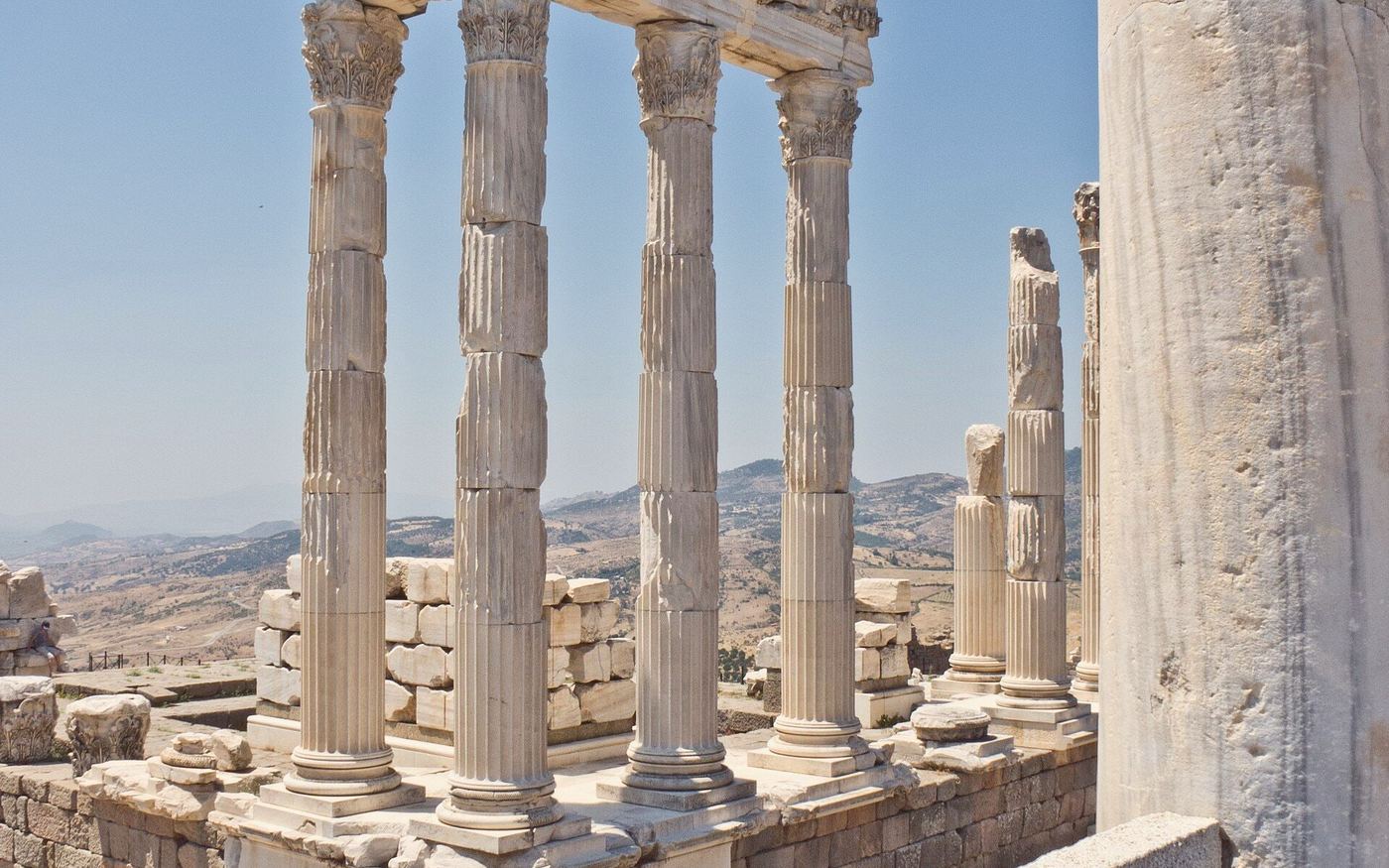
Aydın Province
Priene, Miletus and Didyma: Three Ancient Worlds in One Region
From Priene’s hillside streets to the Apollo sanctuary at Didyma, a regional day can compare the civic city with sacred space.
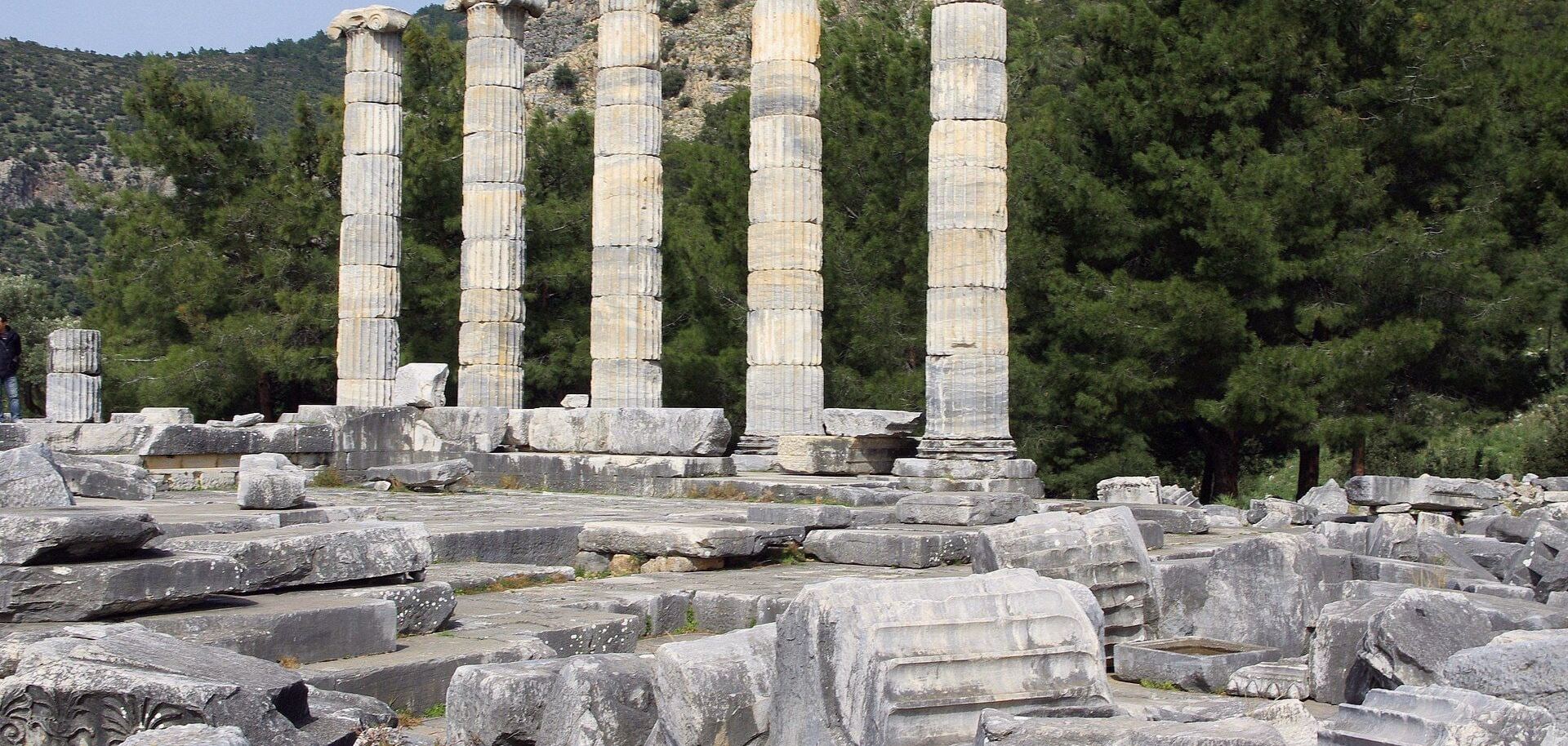
- Region
- The Aegean
Priene, Miletus and Didyma form a coherent regional comparison because they offer different archaeological subjects: an organised hillside city, an ancient urban landscape and a major sanctuary of Apollo. All three can be part of a deliberately planned regional day, but the visit is demanding and not always ideal for every group. Choose fewer sites when walking, heat or detailed interests make a slower pace preferable.
City planning, public performance and worship give this part of the Aegean three related subjects. The surviving sites let you examine how buildings organised movement, brought people together and marked a sacred place.
Comparison can provide the thread for a full day. If one subject absorbs you, reduce the circuit and give it longer; the number of stops is less useful than the attention available at each.
Priene’s civic plan
The Aydın tourism authority identifies Priene’s Athena temple, theatre, agora and council house among its civic structures. Those names become more useful when you connect them: where did public business sit in relation to performance, worship and everyday movement? Tracing those relationships helps the civic plan take shape.
What a three-site day costs
Each arrival takes time that a map does not show: leaving the vehicle, walking in, finding the interpretation, resting, returning. A day that technically contains three sites may still give too little attention to the one that interests you most. Include these transitions when deciding how many visits the group will enjoy.
Choose the full circuit if comparison is your purpose and everyone is comfortable with a long archaeological day. Choose two if the trip already includes several major ruins. Choose one and a slower afternoon if you want detailed photography, drawing or sustained reading of plans. All three versions can be coherent.
A practical way to divide attention
At Priene, follow how the terrain shapes the visit rather than setting out to identify every fragment. At Miletus, use the museum and interpretation to connect what remains. At Didyma, spend a few minutes looking at the temple from different positions before moving to details. Interpretation can then connect those observations with the buildings’ history.
Use the surviving structures as anchors for a guide’s account. Establishing the evidence for an identification or building phase can make the comparison between sites more precise.
Fit it to the rest of the Aegean
Give this circuit its own day after Ephesus, with time to absorb that first archaeological day. On a longer archaeological route, the Classical Aegean journey shows how to spread the region’s different subjects across several days. Keep some time for the present landscape as well: an itinerary made entirely of ruins can flatten the distinctions that make this coast worth exploring.
Close up
Details to look for.
Priene: follow the slope
The provincial tourism authority places Priene on the southern slope of Samsun Dağı. Notice how the civic structures occupy ground that is anything but level.
Miletus: let the space register
Go Türkiye links the archaeological site and Miletus Museum in its regional routes. Give interpretation time rather than judging the place only by the size of a standing monument.
Didyma: change the question
At the Temple of Apollo, look at scale and enclosure. A sanctuary is not simply a smaller city; asking what people came here to do changes the visit.
Getting there, and when
Use a current route and a realistic meal and walking plan. A three-site day has several separate arrivals, entries and exposed stretches. Confirm present admission arrangements at each site. Choose two if you want longer interpretation, have limited mobility or are travelling in difficult heat.
Keep reading