Ideas
Anatolian Weaving: Pattern, Material and Provenance
Colour attracts the eye; structure and provenance explain the object. Anatolian textiles tell several histories through the choices of their makers.
A border holds a design together. A medallion draws attention to the centre; a repeating leaf carries it onwards. In a textile, these visual decisions are inseparable from the material and the work that produced the surface.
The questions change between a museum and a shop, but the object remains the best starting point. Its construction can be examined; its history needs evidence.
Anatolian weaving includes pile carpets and flat-woven kilims, with distinct court and regional traditions. Materials, weaving structure, dyes and documented provenance help explain attribution. Designs such as medallions and the long leaves of the saz style belong within those histories. For contemporary work, the maker and method are central; a motif alone cannot establish origin, age or meaning.
Court designs and regional traditions
The Metropolitan Museum’s account distinguishes Ottoman court design from continuing regional traditions and flat-woven kilims. It describes medallions and the long leaves associated with the saz style among changing patterns. These differences make Anatolian weaving a varied artistic history, not a single fixed national style.
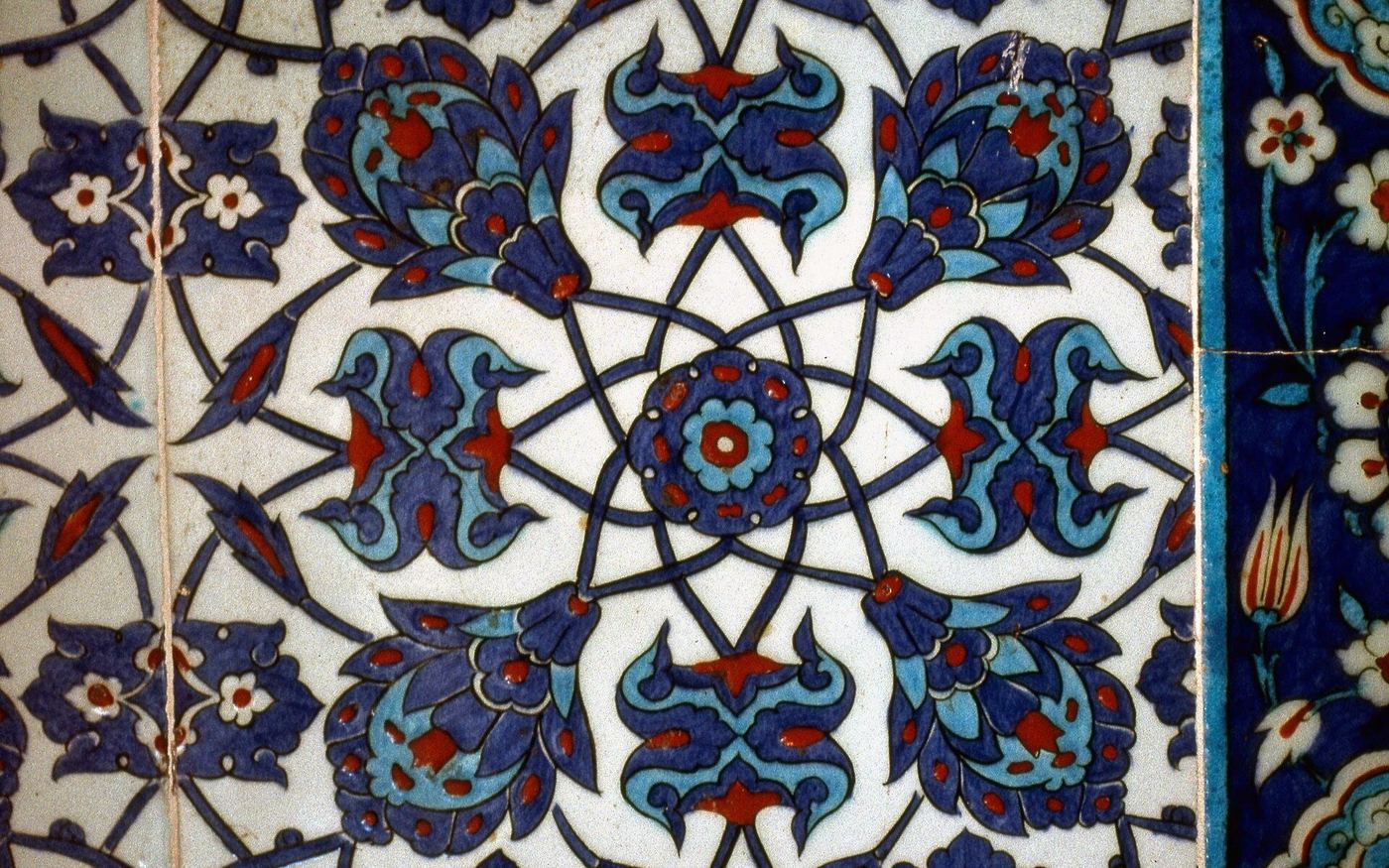
Designs also crossed media. A floral form could be adapted to the demands of a woven surface or a glazed ceramic. Ottoman colour and tilework offer a useful comparison: the line may look related, while the maker’s means of producing it differ.
Structure before attribution
In a museum, compare the label with the textile. The arrangement of centre and border, the size of a repeated unit and the difference between pile and flat weave all provide a starting point. Wear is part of an object’s condition; it is not sufficient evidence of its age.
The Met identifies material, dyes and weaving structure as evidence that can assist attribution. A useful explanation sets out how those features support a particular conclusion and how precise that conclusion can be. Uncertainty may belong to a sound attribution.
The maker of a contemporary textile
For new work, the maker’s identity, materials and construction deserve as much interest as the pattern. Written details can help preserve that knowledge after the visit. A workshop demonstration may illuminate one practice, while a conversation about a particular piece can explain the individual decisions behind it.
Claims that a motif always signifies fertility, protection or marriage need context. Regional use, date and the object itself matter. The Anatolian atlas introduces some of the geographical variety behind a national label.
Provenance and the decision to buy
A sale raises questions beyond appreciation. Documentation of age and ownership, independent assessment where needed, and the applicable export rules belong in any purchase represented as old or culturally significant. A guide’s introduction is not independent authentication.
A documented new textile can offer a compelling connection to a living maker. The useful final question is specific to the piece: who made it, and what evidence connects it to the history being told?
Follow on