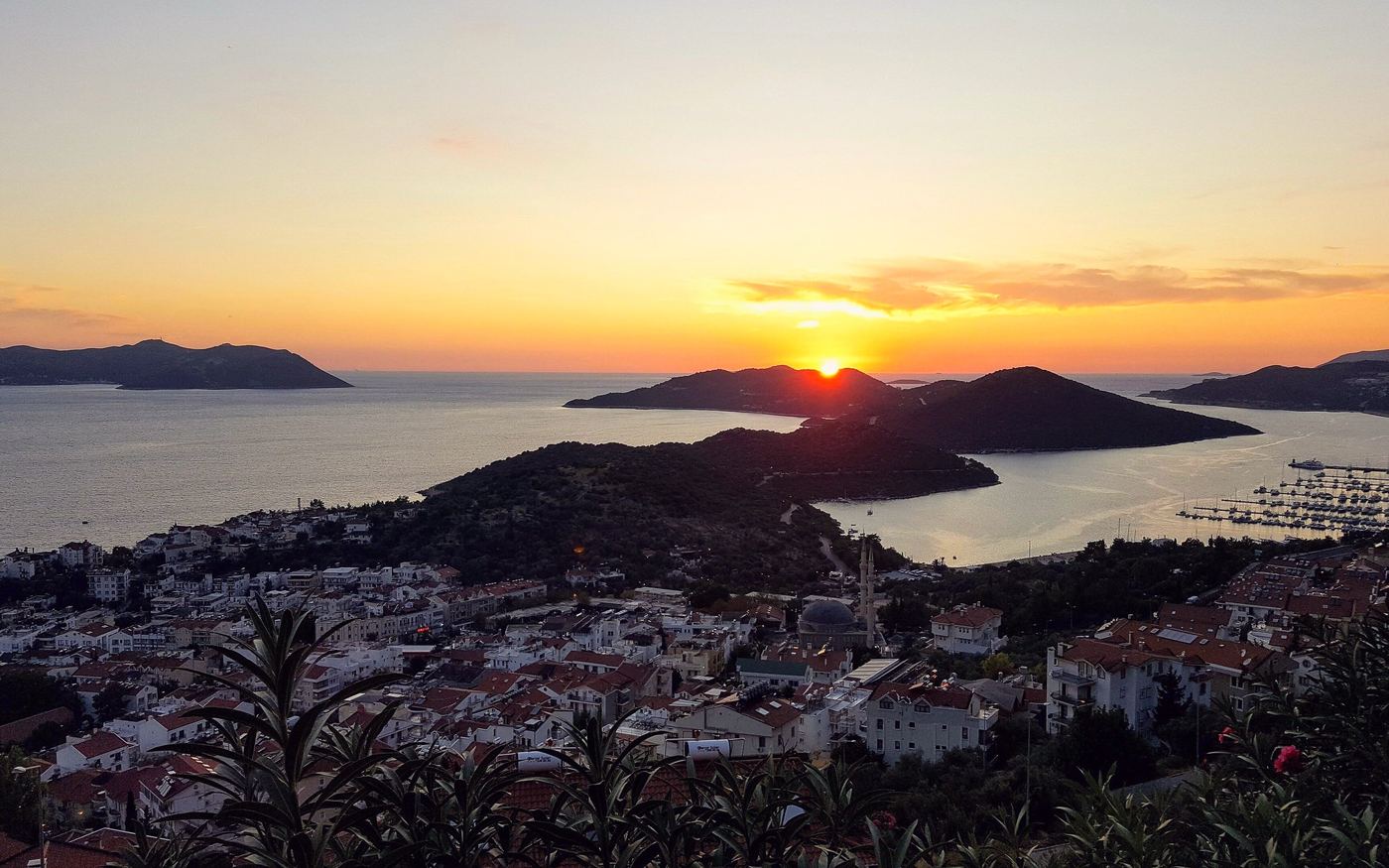
Gelemiş, Antalya Province
Patara: The Ancient Lycian Harbour and Its Landscape
The remains at Gelemiş tell the story of a Lycian port whose sheltered harbour connected the city with the wider sea.
- Region
- The Mediterranean
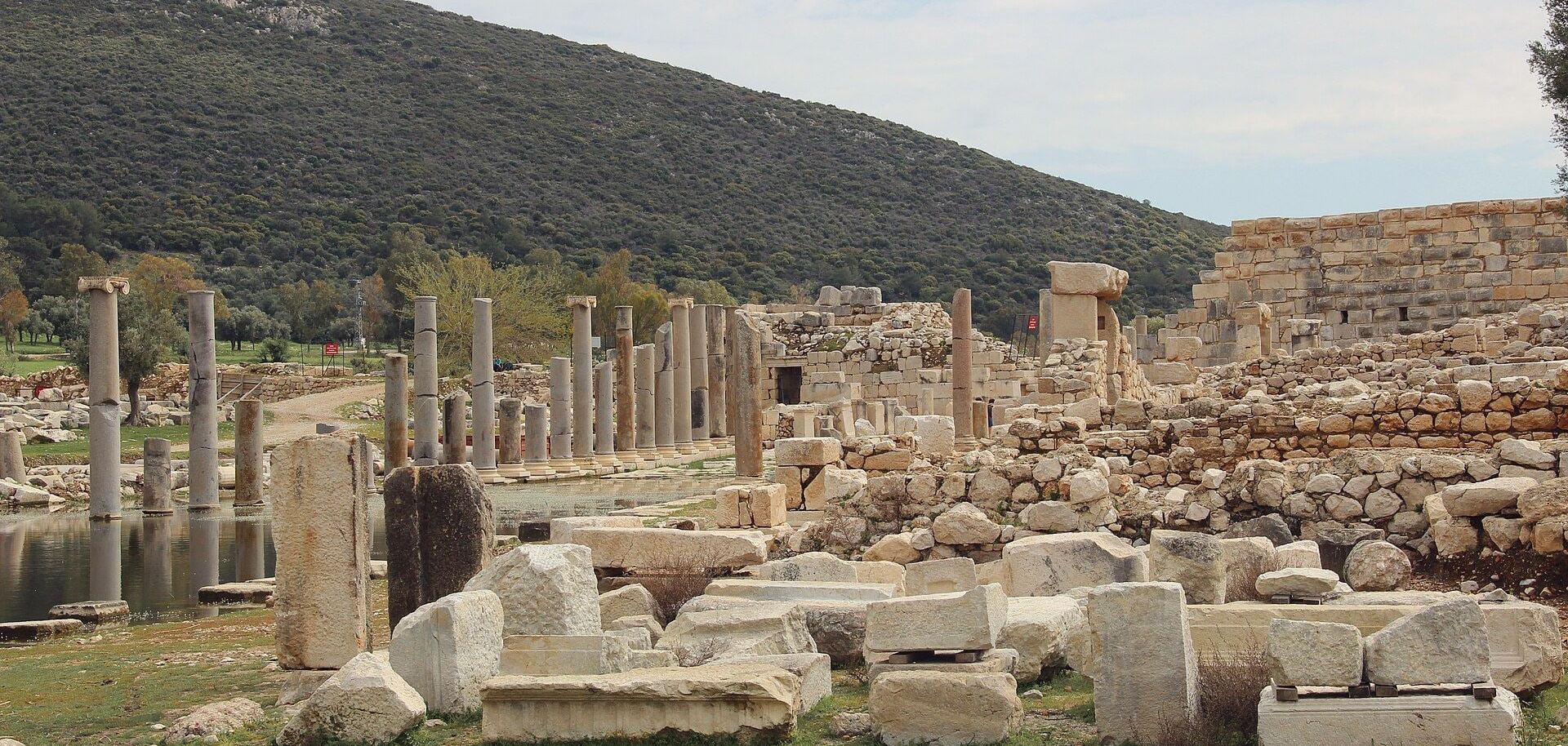
Patara was an important ancient Lycian port, and the site today allows visitors to consider how a city once connected to the sea through its harbour. Its archaeological remains belong to a wider regional history that includes Xanthos and Letoon, though those UNESCO-listed sites should not be confused with Patara's own status. Plan an archaeological visit and any beach time as separate experiences, checking current conservation and access rules.
The shoreline is only one part of Patara’s coastal setting. Among the ancient remains, the question turns to the harbour that once helped make this settlement important within Lycia.
Looking across the site places buildings in relation to that former connection with the sea. Allow time for the archaeology before deciding whether a separate beach visit belongs in the same day.
A port within Lycia
The ministry’s account makes that port role central to its explanation of the city.
Look at the space around the remains as well as the structures. A theatre, gate or column takes on another meaning within the plan of a harbour city. As at Ephesus, asking where the water used to be is a productive beginning, with the history of each place kept distinct.
Put Lycia in the frame
Lycian history gives the coast a cultural identity extending beyond its Roman remains. UNESCO’s account of nearby Xanthos-Letoon emphasises Lycian language and funerary art alongside the successive influences visible there. That broader context places Patara within Lycian history while keeping Patara distinct from the separately inscribed World Heritage property.
Use site interpretation to establish the purpose and period of an individual structure. A reconstructed portion can help explain a building, but it should remain distinguishable from what survived. Understanding that difference often makes a visit more interesting, because it reveals the work involved in presenting archaeology.
Give the two visits different rhythms
An archaeological walk asks for attention and time on your feet. Beach time asks for a different kind of preparation. Combining them can be pleasant, but neither automatically supplies the facilities, opening arrangements or conditions needed by the other.
Check local notices about protected areas and permitted access. Follow barriers and seasonal restrictions, and adapt the afternoon to current conditions.
Where it fits
Patara works within a deliberately paced stretch of the Lycian coast. It is less persuasive as a hurried diversion on a long transfer. If you are choosing a base, our Kaş and Fethiye comparison starts with the different kinds of stay those towns support. Then choose a limited number of cultural days around the base you actually want.
A good coastal journey need not include a major site every morning. Patara can supply one substantial archaeological day, followed by another in which the most useful decision is to stay still. That alternation keeps the history distinct and the holiday enjoyable.
Close up
Details to look for.
A harbour in the landscape
The port provides a way to connect the city’s position with its former importance. Ask how the relationship with the shore changed, and distinguish a secure reconstruction from a suggested one.
Lycia has its own history
UNESCO’s Xanthos-Letoon record offers context for Lycian language and funerary traditions. Patara itself should not be mistaken for the separately inscribed World Heritage property.
A beach is a separate decision
Archaeological access and the permitted use of a coastal landscape are different questions. Check the rules on the day instead of assuming both have the same hours and conditions.
Getting there, and when
Confirm current archaeological admission and beach restrictions with official local providers. Follow marked paths and conservation notices. In exposed conditions, build rest and water into the day; no fixed opening hours, swimming promise or guarantee about facilities is made here.
Keep reading