National planning
Private Travel in Türkiye: What It Includes and When It Helps

The short answer
Private travel in Türkiye ranges from a dedicated guide or transfer to a tailored itinerary combining several services. It is useful when relevant expertise, an adaptable pace or coordinated logistics addresses your needs. Obtain a written scope and current terms: the word private alone establishes neither specialist knowledge nor special access, and each inclusion depends on the booking.
A private journey might begin with a single question: who can explain this archaeological site, or how can these two regions fit into the time available? The answer may be one guided morning, a difficult transfer arranged in advance, or a coordinated itinerary.
Deciding which help you need makes the proposal easier to assess. An independent city stay can sit comfortably beside guided cultural visits and prearranged transport; different parts of the same holiday can use different arrangements.
The problem and the kind of help
| What you need | What to consider | What to confirm |
|---|---|---|
| Interpret a complex site | A guide with relevant knowledge | Language, experience, credentials and scope |
| Reach dispersed places | A driver or transfer | Vehicle, route, luggage and waiting time |
| Travel at different paces | A flexible private arrangement | Actual access, breaks and return options |
| Link multiple regions | A coherent operator proposal | Dated transport, inclusions and disruption arrangements |
| Enjoy unscheduled city time | Independent travel | The base, local transport and your own comfort |
If this sounds like you
- You enjoy independent city travel
- Consider one focused guided visit, then keep the rest of the city time your own.
- Your group needs different paces
- Ask for specific break and return arrangements rather than relying on the word private.
- You have access requirements
- Confirm rooms, vehicles and actual site routes directly. A private car does not establish step-free access.
- You have a specialist interest
- Describe it before booking and ask who can guide the subject, with what experience.
Identify the people and responsibilities
Ask who supplies each element of the proposal. The person driving may be different from the person guiding, and an operator may coordinate several providers across the route. The written description should identify those roles and the contact responsible for changes.
This distinction helps when comparing proposals. A vehicle can simplify navigation and parking; it cannot supply historical interpretation unless a suitably qualified guide is also part of the arrangement. Public entrances and shared visitor spaces may remain part of a private day.
Buy the attention you will use
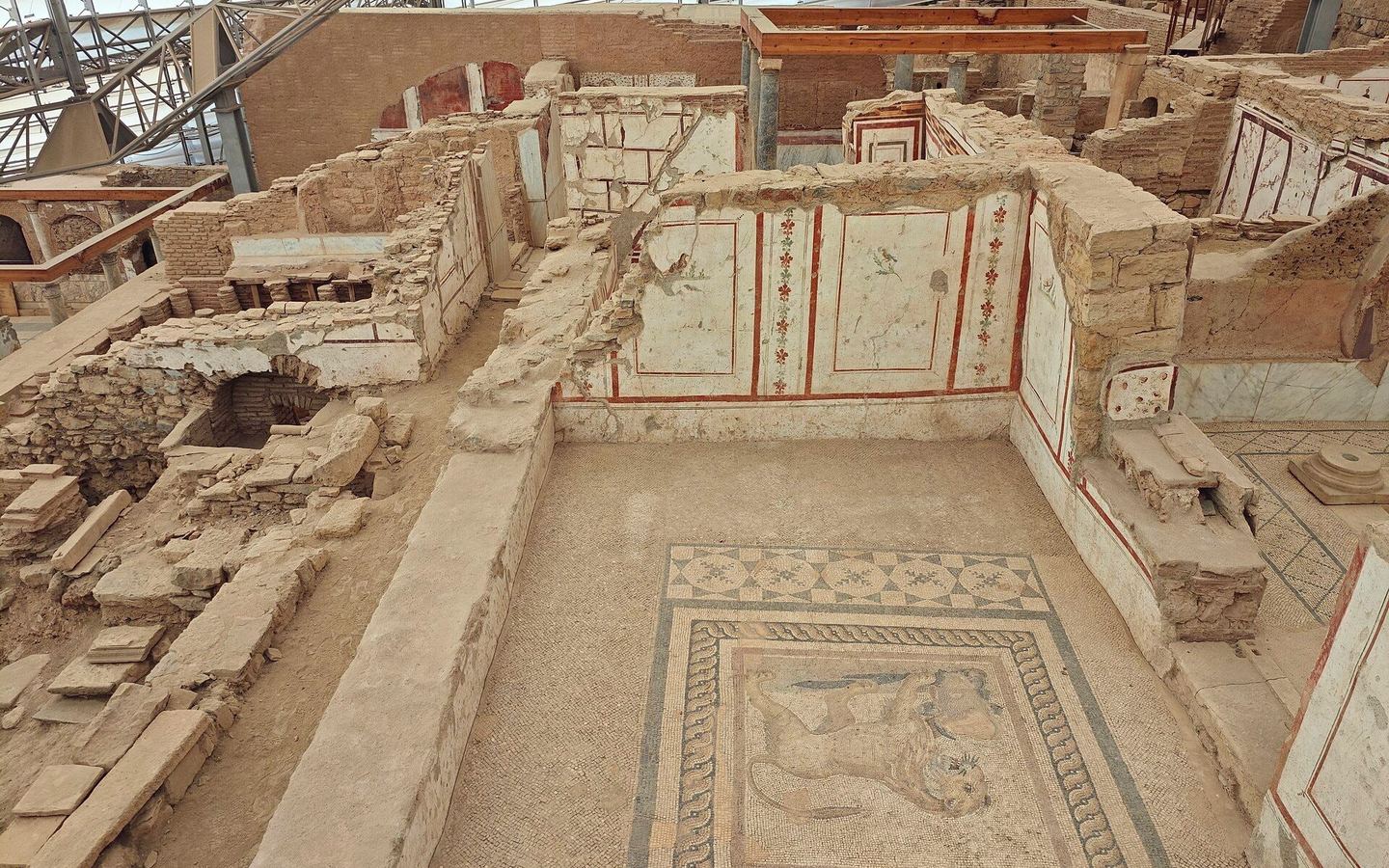
At a complex site, a guide can connect the remains with the surrounding landscape and historical record. A particular interest in architecture, domestic life or a period of history gives the day a useful focus. Elsewhere, browsing and returning on your own may be exactly what you want.
Transport deserves a separate decision. A planned pickup can make a connection easier, but its road hours still need a place in the calendar. Compare the route itself as well as the convenience of having it arranged.
Understand the proposal
Obtain the guiding language, the proposed guide’s relevant experience and a way to check professional credentials and current status. The Ministry offers tourist-guide licence verification services. Use that information alongside a discussion of the subject and visit you have in mind.
An itemised proposal should cover vehicle, tickets, meals, additional visits and shopping stops. For access requirements or children, request the relevant room, vehicle and route details separately. Our access planning guide explains the useful specifics.
Agree how changes are handled
Read the operator’s terms for cancellation, delayed arrival, site closure, guide substitution and itinerary changes. Keep the responsible contact with your travel documents. These arrangements are booking-specific and need to come from the provider.
Once those practicalities are settled, the itinerary can contain genuinely open time: an evening to return to a neighbourhood, a morning to rest or a visit pursued independently. The private cultural travel page develops that balance between a guiding interest and the freedom of the trip.
Our judgment
Choose the service for the problem it solves. A good guided morning and an independent afternoon can be a better fit than an entirely escorted holiday.
Related decisions